


Солнечные пятна и веснушки: Понимание ключевых различий на вашей коже
Материал носит образовательный характер, не устанавливает диагноз и не заменяет помощь квалифицированного медицинского специалиста.
Пигментные пятна на коже и веснушки: как их различить и что делать с каждым типом
Вы взглядываете на тыльную сторону руки при хорошем освещении и замечаете коричневое пятно, которого вы не помните год назад. Или вы видите своё отражение под определённым углом, и пятно рядом с виском выглядит темнее, острее, более чётким, чем мягкий рассыпанный узор детских веснушек, которые у вас всегда были. Вопрос возникает незамедлительно: это старое пятно, это новое, и имеет ли это значение? Понимание разницы между пигментными пятнами и веснушками — это не только вопрос тщеславия. Эти два типа пятен выглядят поверхностно похожими, но образуются через принципиально разные биологические механизмы — и это различие определяет, будете ли вы просто наблюдать, предотвращать или лечить.
Это руководство разбирает, что на самом деле представляет собой каждое пятно, как их различить дома с разумной уверенностью, когда пятно переходит из косметической проблемы в медицинскую территорию, и как выглядит реалистичная стратегия профилактики и управления для каждого типа.
Содержание
- Почему появилось коричневое пятно — клеточный механизм
- Как их различить с первого взгляда
- Почему УФ создаёт пигментные пятна, но не веснушки
- Когда пятно означает что-то серьёзное
- Практическое руководство по профилактике и управлению
- Оставшиеся вопросы, которые часто задают читатели
Почему появилось коричневое пятно — клеточный механизм веснушек и пигментных пятен
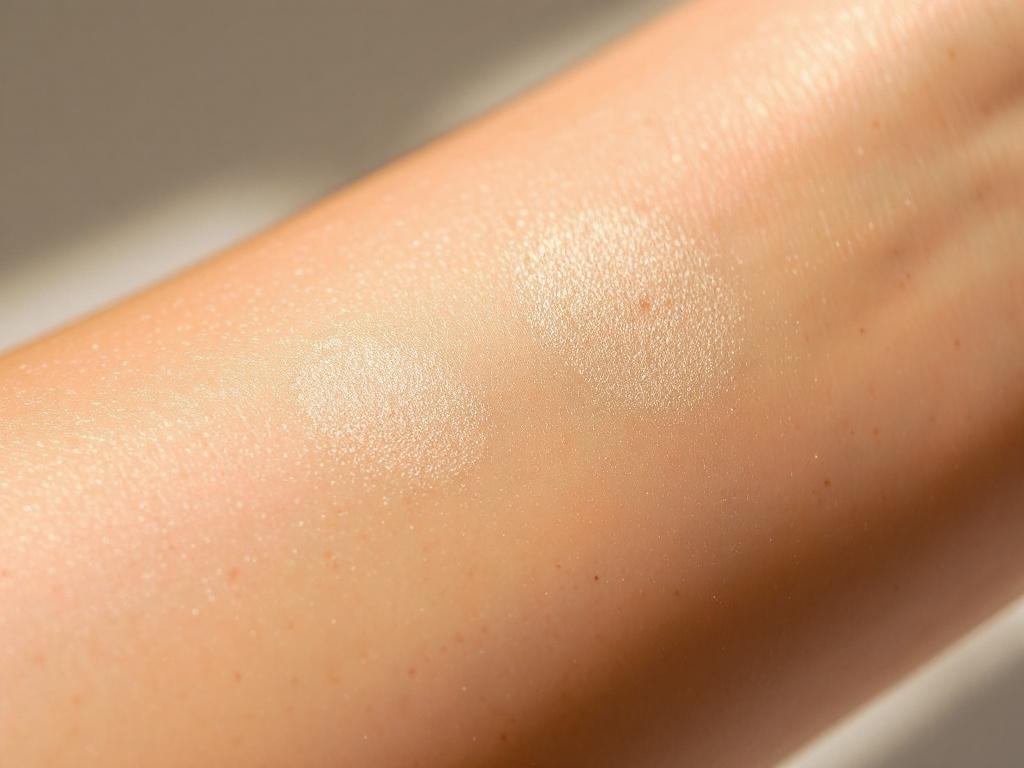
Клиническое название веснушки — эфелида. Это небольшие пигментированные пятна, обычно размером 1-2 мм в диаметре, вызванные вариантами гена MC1R — гена, который управляет выработкой меланина в вашей коже. Люди, у которых вариант MC1R производит преимущественно феомеланин (более светлый, красноватый пигмент, связанный с рыжеволосыми и светлокожими людьми), генетически предрасположены к появлению веснушек, согласно Sun Bum и Colorescience. Веснушки — это не повреждение. Это наследственный шаблон того, как ваши меланоциты реагируют на солнечный свет.
Пигментные пятна — совсем другая история. Клинически известные как солнечные лентиго — также называемые старческими лентиго или возрастными пятнами — это гиперпигментированные участки, вызванные избыточной выработкой меланина, вызванной УФ-излучением, в меланоцитах, повреждённых десятилетиями кумулятивного воздействия солнца. Их размер варьируется примерно от 5 мм до 2 см, что означает размер от монеты к монете, согласно Skin Technique и Plated Skin Science. Если веснушка — это генетическая подпись, то пигментное пятно — это квитанция.
Клеточный механизм, стоящий за каждым типом, объясняет, почему они ведут себя так по-разному. Веснушки — это генетический сигнал — ваши меланоциты запрограммированы выделять меланин кластерами при стимуляции солнечным светом, и этот пигмент сбрасывается сезонно по мере обновления клеток кожи в их нормальном цикле 28-40 дней. Пигмент не является постоянным, потому что основной механизм обратим: стимул, ответ, восстановление. Пигментные пятна, напротив, представляют накопление повреждений. Повторное УФ-воздействие постоянно изменяет поведение меланоцитов, вызывая локализованную избыточную выработку меланина, которую организм не может очистить самостоятельно. Когда клеточный механизм уже превышен, пятно остаётся.
Сроки появления рассказывают ту же историю с другой стороны. Веснушки появляются в детстве — обычно между 2 и 4 годами — достигают пика в молодом возрасте и часто смягчаются или исчезают с возрастом, согласно Sun Bum и Integrated Aesthetics. Пигментные пятна появляются после 40 лет, ускоряясь с каждым десятилетием кумулятивного УФ-воздействия. Если вы заметили новое пигментированное пятно в пятидесят лет, шансы в пользу солнечного лентиго намного выше, чем что-либо генетическое.
Один неправильный стереотип заслуживает прямого исправления: веснушки — это не солнечное повреждение. Это генетический маркер и, фактически, функционирует как частичный локализованный УФ-защитный ответ — кластеризованный меланин действует как небольшой естественный фильтр против дальнейшего УФ-проникновения, согласно Sun Bum и Colorescience. Тем не менее, наличие веснушек действительно указывает на то, что кожа носителя реактивна к УФ-излучению, что сигнализирует об повышенной пожизненной бдительности при скрининге рака кожи. Веснушки не опасны, но они являются флажком, что ваш тип кожи требует тщательной защиты от солнца.
Знание того, какое пятно у вас есть на каком участке кожи, меняет всё, что последует дальше — будете ли вы просто его мониторить, предотвращать появление новых или просить лечение.
Как их различить с первого взгляда — диагностические критерии рядом
Большинство читателей хотят знать, какое пятно находится на их коже, не посещая кабинет дерматолога в первую очередь. Приведённые ниже критерии позволяют самооценку с примерно 80% уверенностью — и оставшиеся 20% — это именно когда профессиональная оценка становится правильным решением. Используйте это как инструмент скрининга, а не диагностики.
| Критерий | Веснушки | Пигментные пятна |
|---|---|---|
| Типичный размер | 1–2 мм (булавочная головка) | 5 мм–2 см (размер с монету) |
| Цвет | Светло-коричневый, красно-коричневый или средне-коричневый | Тёмно-коричневый, иногда серо-чёрный |
| Граница | Мягкая, неправильная, сливается с кожей | Чёткая, хорошо определённый край |
| Распределение | Скопление на щеках, носу, плечах | Разбросано по зонам с УФ-воздействием |
| Возраст первого появления | Детство (обычно 2–4 года) | После 40 лет |
| Сезонное поведение | Темнеют летом, светлеют зимой | Стабильны в течение года |
| Постоянство | Могут естественным образом исчезнуть в течение десятилетий | Постоянны без лечения |
| Основная причина | Вариант гена MC1R (генетический) | Кумулятивное УФ-повреждение |
Источник: составлено из Sun Bum, ENRICH Dermatology, Integrated Aesthetics и Skin Technique.
Тест сезонного поведения — это самая полезная доступная проверка. Сфотографируйте пятно в феврале при одинаковом искусственном освещении, затем снова в августе при тех же условиях. Если оно значительно потемнело при летнем солнечном воздействии, вы почти наверняка смотрите на веснушку. Если оно выглядит одинаково на обеих фотографиях, это пигментное пятно. Причина, по которой этот тест работает, проста: веснушки — это активный генетический ответ на текущее УФ-воздействие, а пигментные пятна — это стабильные отложения меланина, которые больше не колеблются в зависимости от сезона.
Определение границы — второй наиболее надёжный сигнал. Более острые границы указывают на зрелые, стабильные отложения меланина — пигментные пятна. Мягкие, исчезающие края, которые постепенно сливаются с окружающей кожей, указывают на активный генетический ответ — веснушки. Проведите взглядом по краю пятна: если вы можете провести чистую линию, трактуйте его как солнечное лентиго до доказательства обратного.
Правило возраста появления стоит запомнить. Любое новое пигментированное пятно, появившееся после 40 лет, следует считать пигментным пятном, пока не будет доказано обратное — и любое новое пигментированное пятно, независимо от возраста, которого не было 12 месяцев назад, требует базовой консультации дерматолога. Различие между возрастными пятнами и веснушками имеет наибольшее значение именно когда математика предполагает, что пятно в принципе не должно быть веснушкой.
Одна важная оговорка: эти критерии различают веснушки от пигментных пятен, но ни один тест не исключает другие пигментированные образования, такие как себорейный кератоз, атипичные невусы или постинфламматорную гиперпигментацию от старых высыпаний или травм. Асимметричное, многоцветное или быстро меняющееся пятно требует дерматолога, а не схемы самооценки.
Почему УФ-излучение создаёт пигментные пятна, но не веснушки — механизм фотостарения
"УФ вредна для кожи" — это поверхностное понимание. Механизм, посредством которого УФ создаёт пигментное пятно — и почему этот же механизм не создаёт веснушку — это то, что определяет, является ли ваша стратегия профилактики разумной или бесполезной. Веснушки против солнечного повреждения — это не то же самое, что веснушки против пигментных пятен, даже если эти два вопроса пересекаются. Вот что на самом деле происходит на клеточном уровне.
Проникновение UVA и многодесятилетняя задержка. UVA-лучи — длинноволновая часть спектра УФ, 320-400 нм — проникают в дерму, где повреждают ДНК меланоцитов с течением времени. Ответ пигментации не является немедленным. Он проявляется как видимые пигментные пятна спустя десятилетия после воздействия, которое их вызвало, согласно Plated Skin Science. Вот почему пигментные пятна появляются в сорок лет от солнечного воздействия, накопленного в подростковом и молодом возрасте. Повреждение было нанесено задолго до появления пятна, что также объясняет, почему профилактика новых пятен требует терпения: сегодняшний SPF видимо не помогает в течение лет.
Острый (веснушка) против хронического (пигментное пятно) ответа меланина. Веснушки представляют острое, временное выделение меланина, вызванное недавним солнечным воздействием — клетка выполняет свою защитную работу, а затем сбрасывает меланин во время нормального обновления на цикле 28-40 дней. Пигментные пятна представляют хроническую дисфункцию меланоцитов: клетки постоянно производят меланин в локализованных горячих точках, которые организм никогда не очищает, согласно Plated Skin Science и Skin Technique. Различие заключается в обратимости. Веснушки — это волна, которая приходит и уходит; пигментные пятна — это осадок, который осел и затвердел.
Почему пигментные пятна скапливаются в предсказуемых зонах. Пигментные пятна концентрируются там, где кумулятивное воздействие наиболее высоко: на тыльной стороне рук, предплечьях, лбу, висках, верхних скулах, зоне декольте и верхней части ушей. Офисные работники и коммутеры в культурах вождения часто развивают их на левой стороне лица с заметно более высокой скоростью, чем справа — закономерность, приписываемая UVA-воздействию через окно со стороны водителя, согласно ENRICH Dermatology и Integrated Aesthetics. Если вы когда-либо задавались вопросом, почему пигментные пятна коллеги скапливаются асимметрично, ответ обычно кроется в рулевом колесе.
Веснушки — это генетическая инструкция вашей кожи. Пигментные пятна — это квитанция за тридцать лет игнорирования напоминания о защите от солнца.
Точка, в которой профилактика переходит в управление. Когда меланоциты повреждены достаточно, чтобы образовать пигментное пятно, SPF не может обратить существующее пятно. Это может только предотвратить следующее. Это порог косметической дерматологии: профилактика бесплатна, управление стоит деньги и время, согласно Sun Bum и ENRICH Dermatology. Принятие этой асимметрии — это то, что отличает продуктивные процедуры от разочарованных — заливание дорогостоящего продукта на установившееся пигментное пятно редко совпадает с затратами на предотвращение следующих пяти.
Сигналы фотостарения за пределами пигментации. Пигментные пятна редко появляются в одиночку. Следите за сопутствующими маркерами фотостарения: истончением прозрачности кожи на тыльной стороне рук, тонкой "гофрированной" текстурой на зоне декольте, сломанными капиллярами на щеках и потерей эластичности вдоль линии челюсти. Они сигнализируют об одном и том же основном УФ-повреждении и требуют комплексных улучшений защиты от солнца — не только точечного лечения. Если вы видите одного, вы, вероятно, накапливаете и других. Решение ранних признаков старения кожи комплексно даёт лучшие результаты, чем охота за отдельными пятнами, согласно Plated Skin Science.

Когда пятно означает что-то большее — косметическое беспокойство против медицинской сортировки
Пигментное пятно биологически доброкачественно. Как и веснушка. Но пигментированные образования на стареющей коже находятся в спектре — на одном конце чистое косметическое беспокойство; на другом конце ранняя дисплазия или меланома. Ваша работа — не диагностировать. Это знать, в какую полосу относится пятно, и действовать соответствующим образом. Вопрос о возрастных пятнах и веснушках имеет меньшее значение здесь, чем вопрос об изменении: как это пятно выглядит по сравнению с шестью месяцами назад, и является ли оно стабильным?
| Профиль пятна | Уровень риска | Рекомендуемое действие | Сроки |
|---|---|---|---|
| Веснушка, стабильная, присутствует с детства | Очень низкий | Визуальное самомониторирование; ежедневный SPF | Ежегодная самопроверка |
| Пигментное пятно, новое но стабильное, без симптомов | Низкий–умеренный | Базовый визит к дерматологу | В течение 3 месяцев |
| Пигментное пятно, изменившееся в размере или цвете за 6 месяцев | Умеренный–высокий | Оценка дерматолога | В течение 2 недель |
| Пятно с неправильной границей или асимметрией | Высокий | Направление к дерматологу в тот же день | Срочно |
| Пятно с 3+ цветами или быстрым ростом | Высокий | Направление к дерматологу в тот же день | Срочно |
| Зудящее, кровоточащее или покрытое коркой пятно | Высокий | Направление к дерматологу в тот же день | Срочно |
Источник: критерии адаптированы из ENRICH Dermatology и Skin Technique, согласованы с широко признанной схемой самоскрининга ABCDE, продвигаемой Американской академией дерматологии.
Пигментное пятно — это косметическое проблема, пока оно не является медицинской проблемой. Базовая документация у дерматолога имеет большее значение, чем само пятно.
Правило ABCDE переводит таблицу выше в нечто, что вы можете использовать перед зеркалом в ванной. Aсимметрия — одна половина пятна не совпадает с другой. Bордюр неправильность — зубчатые или размытые края, отличные от мягкого исчезновения веснушки. Cветовое варьирование — более двух или трёх оттенков в рамках одного пятна. Dиаметр больше 6 мм, примерно размер ластика карандаша. Eволюция — любое изменение в размере, форме, цвете или симптомах в течение недель или месяцев. Пятно, которое вызывает любой из этих критериев, заслуживает профессионального взгляда, независимо от того, насколько уверенно вы себя чувствуете в различии веснушки и пигментного пятна.
Критически: веснушка, которая была стабильна в течение 30 лет, почти никогда не становится опасной. Пигментное пятно, которое было стабильно в течение 5 лет, обычно тоже. Изменение — это сигнал. Согласно Skin Technique и ENRICH Dermatology, наиболее надёжный предсказатель риска — это не внешний вид в один момент, а эволюция во времени. Вот почему базовая документация имеет большее значение, чем любой одиночный визит.
Важный момент, который стоит адресовать напрямую: неправильное представление, что пигментные пятна и рак кожи затрагивают только светлую кожу, является ложным и опасным. Фотоповреждение происходит во всех типах кожи. Презентация отличается — пигментные пятна на более тёмных тонах кожи могут выглядеть более тёмно-коричневыми или сероватыми, иногда с менее очевидным контрастом с окружающей кожей — но риск сохраняется, согласно Skin Technique и Colorescience. Недодиагностирование у более тёмных тонов кожи хорошо документировано; ответ одинаков при тщательном скрининге независимо от оттенка, а не меньше.
Базовый визит дерматолога — это один из самых высокорычажных инвестиций в долгосрочное здоровье вашей кожи. Один ежегодный полный осмотр кожи после 40 лет — или раньше, если у вас значительная история пребывания на солнце или семейная история меланомы — создаёт документированный справочник. Будущее изменение намного легче обнаружить в сравнении с документацией, чем в сравнении с памятью. Если вы хотите профессиональное лечение гиперпигментации, этот же визит является правильным местом для обсуждения реалистичных вариантов.
Честное ограничение: домашняя самооценка — это инструмент скрининга, а не диагностики. Каждый, кто не уверен в пятне, должен остаться с профессиональной оценкой. Затраты на 20-минутный визит к дерматологу ничтожны в сравнении со стоимостью упущенной диагностики на ранней стадии.
Практическое руководство по профилактике и управлению — разные пятна, разные стратегии
Профилактика, косметическое управление и медицинское лечение — это три разных разговора. Смешивание их — это то, как читатели оказываются разочарованными — покупая 200-долларовую сыворотку для "выцветания веснушек", которые им на самом деле не нужно выцветать, или пропуская SPF, потому что они предполагают, что повреждение уже нанесено. Приведённый ниже контрольный список четко разделяет три полосы.
Группа A: Предотвратить образование новых пигментных пятен
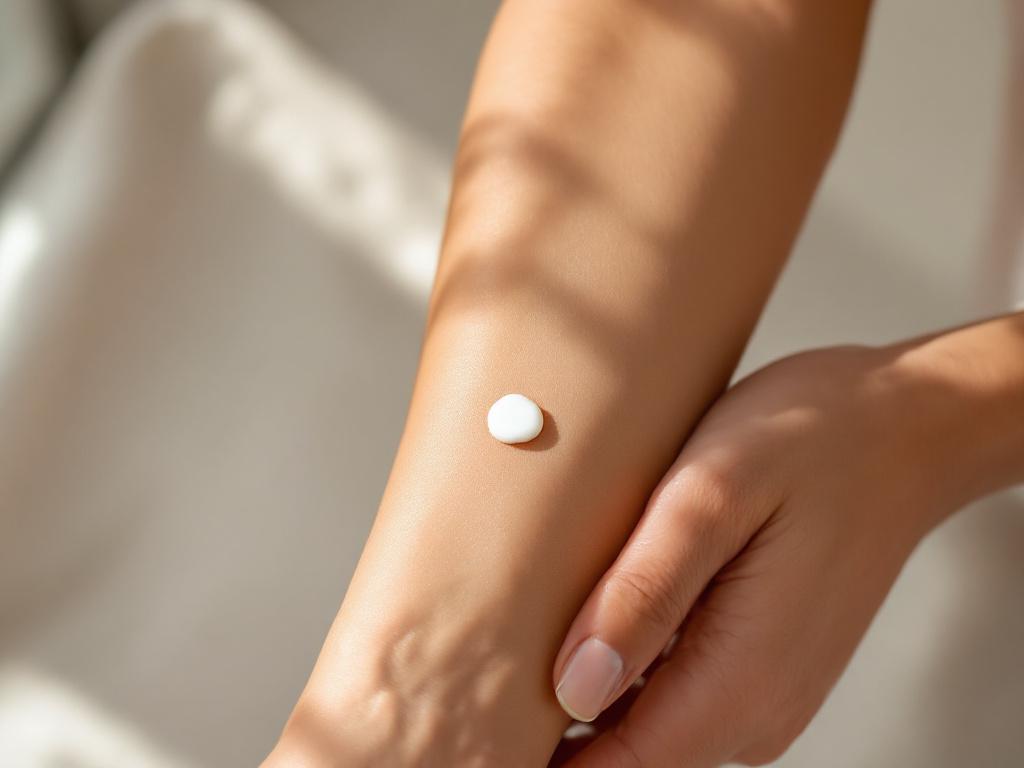
1. Наносите широкоспектральный SPF 30+ ежедневно на все открытые участки — не только на лицо, но и на руки, шею, уши и зону декольте. Руки и зона декольте — это именно те места, где скапливаются пигментные пятна, потому что они обычно пропускаются в ежедневных процедурах, согласно Skin Technique и ENRICH Dermatology. Лицо получает внимание; тело, которое стареет вместе с ним, обычно не получает.
2. Переносить каждые 2 часа во время пребывания на улице — каждые 80 минут при плавании или интенсивном потоотделении. Одно утреннее нанесение обеспечивает примерно два часа значимой защиты, а не весь день. Популярное предположение "я нанёс солнцезащитный крем этим утром" — это единственный наиболее распространённый пробел в реальной УФ-защите.
3. Ищите тень между 10 утра и 4 вечера в месяцы с высоким УФ-излучением. Кумулятивное полуденное воздействие побуждает образование пигментных пятен больше, чем случайные интенсивные солнечные ожоги — медленное накопление, а не драматическое событие, это то, что заполняет квитанцию.
4. Носите одежду с UPF-рейтингом для дней с высоким воздействием. Ткань UPF 50+ блокирует примерно 98% УФ-излучения. Рубашка с длинными рукавами UPF превосходит любой солнцезащитный крем по надёжности, потому что она не изнашивается, не требует переосушения и не зависит от толщины нанесения.
5. Не забудьте окно со стороны водителя. Стандартное автомобильное стекло блокирует UVB, но пропускает значительное количество UVA. Пигментные пятна непропорционально появляются на левой стороне лиц в культурах вождения, согласно ENRICH Dermatology и Integrated Aesthetics. Тонирование окна со стороны водителя или нанесение SPF перед длительной поездкой закрывает пробел, который большинство людей не понимают, что у них есть.
Группа B: Управлять существующими пятнами без медицинского лечения
6. Примите веснушки как базовое, а не повреждение. Это генетическая особенность, а не ошибка для исправления. Косметическое "выцветание" веснушек — это чисто эстетическое предпочтение, а не здоровье кожи. Индустрия по уходу за кожей потратила десятилетия на продажу идеи, что веснушки нуждаются в исправлении; биология не согласна.
7. Используйте корректор цвета или тональный крем с полным покрытием, если определённые пятна косметически беспокоят. Персиковые корректоры нейтрализуют коричневый пигмент более эффективно, чем один корректор, особенно на скулах и тыльной стороне рук, где пигментные пятна наиболее видны.
8. Добавьте осветляющую сыворотку для местного применения. Витамин C, ниацинамид, альфа-арбутин и транексамовая кислота могут поддерживать постепенное выравнивание неровной текстуры и тона кожи в течение 8-12 недель постоянного использования. Они не стирают пигментные пятна, но снижают контраст с окружающей кожей. Читатели с чувствительной или реактивной кожей должны патч-тестировать новые активные вещества в течение нескольких дней перед фиксацией — витамин C и кислотные осветлители — это распространённые триггеры раздражения при слишком быстром введении.
Группа C: Рассмотрите профессиональное лечение
9. Запишитесь на консультацию дерматолога, если пигментные пятна новые, меняются или если вы хотите их удалить. Принесите список того, что вы уже пробовали, и ясный ответ на "я хочу, чтобы это исчезло по косметическим причинам или я беспокоюсь об этом медицински?" Ответ меняет визит, тестирование и рекомендуемый путь.
10. Понимайте реалистичные варианты перед обязательством. Лазер (IPL или Q-переключённый), химический пилинг и криотерапия каждый имеют различные профили простоев, стоимости и результатов. Большинство требуют 2-4 сеанса и защитную постпроцедурную помощь для предотвращения скопления пигментации. Профилактика, идущая вперёд, остаётся необходимой — обработанные области перепигментируются без постоянного SPF, что означает, что лечение без защиты от солнца — это примерно инвестиция со встроенной датой истечения.
Оставшиеся вопросы, которые часто задают читатели

Может ли веснушка превратиться в пигментное пятно с течением времени?
Нет. Веснушки генетически определены и стабильны в своем основном механизме — они могут исчезать с возрастом, но не превратятся в пигментные пятна. Пигментные пятна — это отдельное образование, вызванное накопленным УФ-повреждением меланоцитов. У вас могут быть оба типа одновременно на одном участке кожи, и два типа могут быть трудно различимы визуально в сорок и пятьдесят лет, когда смешаны старые веснушки и новые пигментные пятна. Биологически, однако, они остаются отчётливыми, согласно Sun Bum и Plated Skin Science.
Исчезают ли пигментные пятна сами по себе?
Редко, и никогда полностью. В отличие от солнечного ожога или временного загара, пигментные пятна — это стабильные отложения меланина в более глубокой эпидермисе. Лёгкое выцветание может произойти при строгом использовании SPF и местных осветляющих средств в течение 6-12 месяцев, но видимое осветление обычно требует профессионального лечения — лазера, химического пилинга или криотерапии, согласно ENRICH Dermatology и Skin Technique. Если пятно быстро исчезает само по себе, это фактически причина для визита к дерматологу, а не для праздника: быстрое изменение в любом направлении требует оценки.
Правда ли, что тёмные тона кожи не получают пигментные пятна?
Ложь. Тёмные тона кожи развивают пигментные пятна из-за одного и того же УФ-механизма. Они могут выглядеть темнее коричневыми или сероватыми и с меньшей вероятностью отличаются от окружающей кожи, что приводит к недодиагностированию. Фотоповреждение и рак кожи затрагивают все типы кожи, согласно Skin Technique и Colorescience. Правила скрининга, критерии ABCDE и рекомендации по профилактике применяются одинаково — скорректированы только для того, как каждый из них проявляется на данном оттенке кожи.
Каждое новое пятно должно быть проверено дерматологом?
Не каждая веснушка в детстве или молодом возрасте. Но да, после 40 лет рассматривайте каждое новое пигментированное пятно как достойное базового визита к дерматологу — особенно если оно больше ластика карандаша, имеет неправильные границы или появилось в течение последних 12 месяцев. Один тщательный визит создаёт документированный справочник для всего, что последует, что является наиболее ценным входом для раннего обнаружения изменений.
Действительно ли работают осветляющие сыворотки на пигментные пятна?
Частично. Витамин C, ниацинамид, альфа-арбутин и транексамовая кислота могут снизить контраст в течение 8-12 недель постоянного использования, но они редко полностью устраняют установившиеся пигментные пятна. Они работают лучше как профилактика против новой пигментации, как уход после профессионального лечения и на постакне гиперпигментации, где пигмент находится более поверхностно. Гидрохинон работает более агрессивно, но несёт риск раздражения и лучше всего используется под надзором дерматолога, чем вечно на собственное усмотрение.
В чём разница между пигментными пятнами и мелазмой?
Пигментные пятна — это дискретные, малые или средние круглые пятна от УФ-повреждения. Мелазма — это более крупная, пятнистая, часто симметричная пигментация, обычно появляющаяся на щеках, лбу или верхней губе — вызванная гормонами (беременность, оральные контрацептивы, гормональная терапия), усугубленная УФ-воздействием. Подходы к лечению значительно различаются: пигментные пятна хорошо реагируют на лазер, в то время как мелазма часто ухудшается при агрессивном лазере и требует более щадящих протоколов. Если ваше "пигментное пятно" большое, размытое и примерно симметрично расположено на обеих щеках, это, вероятно, мелазма. Та же логика применяется при различении пигментации из состояний, таких как розацеа и покраснение лица, которые могут наслаиваться на пигментацию и усложнять как диагностику, так и лечение — ещё одна причина, по которой профессиональная оценка превосходит самооценку, когда картина смешанная.