





Методы нехирургической подтяжки лица: что действительно работает, что — просто рекламный трюк, а что — безопасно
Материал носит образовательный характер, не устанавливает диагноз и не заменяет помощь квалифицированного медицинского специалиста.
Варианты нехирургической подтяжки лица: что работает, что реклама, а что безопасно
Вы ловите своё отражение под определённым углом — зеркало в ванной, утренний свет — и замечаете это. Линия подбородка, которая раньше была чёткой, размягчается. Объём щёк, который прежде располагался высоко, сместился вниз и внутрь. Носогубные складки у рта выглядят глубже, чем год назад. Вы не готовы к операционной и шести неделям восстановления, но аптечные кремы, которые вы наслаивали последние три года, ничего не изменили. Где-то между этими двумя крайностями находится нехирургическая подтяжка лица — фраза, которую вам месяцами обещает лента Instagram, обычно сопровождаемая заявлением о «30-минутной подтяжке лица», которое кажется слишком хорошим, чтобы быть правдой.
Рыночный шум громкий не просто так. По данным Cleveland Clinic, в 2020 году в США было выполнено более 13 миллионов минимально инвазивных косметических процедур, большинство из которых — на лице. Категория такого размера в равной степени привлекает как настоящую науку, так и агрессивный маркетинг. Формулировка «подтяжка кожи» с одобрения FDA звучит клинически, но намеренно расплывчата. Рекомендации знаменитостей появляются без раскрытия того, сколько сеансов, какие комбинированные методики или какой специалист работал с устройством.
Далее мы разделим три реальных механизма, лежащих в основе каждой заслуживающей доверия нехирургической подтяжки лица, что на самом деле обеспечивает каждый из них, реалистичные сроки, честную стоимость и как распознать момент, когда операция становится более выгодным экономическим решением.
Содержание
- Три механизма каждой реальной нехирургической подтяжки лица
- Радиочастота против ультразвука: какая технология подтяжки действительно работает
- Дермальные филлеры и биостимуляторы: как восстановленный объём создаёт иллюзию подтяжки
- Микронидлинг, лазеры и химические пилинги: слой ремоделирования коллагена
- Как комбинированные протоколы дают результаты, которые ложно обещают отдельные процедуры
- Тревожные сигналы, реалистичные побочные эффекты и когда лучше уйти
- Ваш чек-лист перед записью на любую консультацию по нехирургической подтяжке лица
Три механизма каждой реальной нехирургической подтяжки лица (и почему сам термин вводит в заблуждение)
Нехирургическая подтяжка лица — это не процедура. Это категория, ярлык — маркетинговый зонтик, охватывающий любую комбинацию минимально инвазивных методик, используемых для укрепления, наполнения или освежения кожи лица без разрезов, общей анестезии или ночлега в больнице. И Cleveland Clinic, и Американское общество пластических хирургов определяют её одинаково: индивидуально подобранная комбинация, а не единичное вмешательство. Сама фраза — часть проблемы: когда пациенты слышат «подтяжка», они представляют структурное перемещение тканей, как при операции. Здесь происходит не это.
Каждая заслуживающая доверия нехирургическая подтяжка опирается на один или несколько из трёх биологических механизмов. Понимание того, какой механизм использует процедура, — это разница между оплатой того, что вам нужно, и оплатой разочарования.

- Подтяжка (на основе энергии). Радиочастотные устройства, такие как Thermage и Morpheus8, и системы сфокусированного ультразвука, такие как Ultherapy/HIFU, нагревают дермальные и подкожные ткани, чтобы вызвать немедленное сокращение коллагена и долгосрочное ремоделирование коллагена. По данным Park Facial Plastics, Ultherapy использует сфокусированные ультразвуковые волны, чтобы достичь более глубоких слоёв кожи под подбородком, шеей и бровями; результаты развиваются постепенно в течение нескольких месяцев и сохраняются примерно год или более. Радиочастота, как описывают её и Park Facial Plastics, и H/K/B Surgery, обеспечивает тонкую, но долговременную подтяжку, требующую периодических поддерживающих сеансов.
- Восстановление объёма (инъекции). Филлеры на основе гиалуроновой кислоты (Juvederm, Restylane) и стимулирующие коллаген биостимуляторы (Sculptra, Radiesse) восполняют утраченный объём средней части лица. Это создаёт видимость подтяжки, потому что восстановление проекции верхушки скулы подтягивает кожный покров вверх и уменьшает тень носогубной складки и марионеточных линий. ASPS называет дермальные филлеры «краеугольным камнем» нехирургических подтяжек лица — их используют для восстановления утраченного объёма в области щёк, висков, губ и под глазами.
- Ремоделирование коллагена (контролируемая травма). Микронидлинг (с радиочастотой или без), химические пилинги (TCA, гликолевый, салициловый) и лазерная шлифовка создают контролируемое микроповреждение, которое запускает выработку коллагена I и III типов в течение 8–12+ недель. Сами по себе они не подтягивают — они улучшают качество кожного полотна, чтобы другие процедуры работали лучше и выглядели естественнее.
Вот ключевая мысль, на которой строится остальная часть статьи: большинство разочарований в нехирургических подтяжках лица возникает из-за покупки одного механизма и ожидания результатов всех трёх. Кто-то делает Ultherapy, ожидая объёма. Кто-то делает филлеры, ожидая более упругой кожи. Кто-то проходит три сеанса микронидлинга, ожидая немедленной подтяжки. Каждый механизм хорошо делает что-то одно. Ни один из них не делает всё три.
Вы не подтягиваете фасцию. Вы создаёте визуальную иллюзию подтяжки через ту или иную комбинацию работы над упругостью, объёмом и текстурой. Когда рекламный текст заявляет «результаты нехирургической подтяжки лица, эквивалентные операции», — вот ложь, которую нужно отметить. Сертифицированный пластический хирург доктор Андре Паносян более дипломатично формулирует ту же реальность в анализе своей клиники: «нет единого метода, который подходит всем пациентам». Перевод — вопрос не в том, какое устройство лучше. Вопрос в том, какая комбинация соответствует вашему конкретному паттерну старения, качеству кожи и бюджету. Эта комбинация работает только если ваш кожный барьер и лежащее в основе воспаление уже под контролем, а это территория профилактической работы над ранними признаками старения, которая происходит на топическом уровне задолго до того, как какое-либо устройство коснётся вашего лица.
Нехирургическая подтяжка лица — это не одна процедура, а стратегия скромных улучшений, объединённых вместе. Ожидайте 10–15 процентов видимой подтяжки от одной методики, а не 40 процентов, которые обещает реклама.
Радиочастота против ультразвука: какая технология подтяжки действительно работает
Самый частый вопрос, с которым приходят пациенты: Thermage или Ultherapy? Ни один ответ не универсален. У обоих есть законные клинические применения. Выбор зависит от целевой глубины ткани, степени дряблости кожи и вашей переносимости дискомфорта.
Механистическое различие важно. Радиочастота (РЧ) использует электромагнитную энергию на радиочастотах для нагрева дермы, а иногда и подкожного жирового слоя. Монополярная РЧ (Thermage) нагревает более широкую, диффузную зону. Биполярная и мультиполярная РЧ (Morpheus8, Venus) нагревают более целенаправленные зоны и часто сочетаются с микронидлингом, поэтому тепло доставляется на контролируемую глубину через микроканалы. Результаты РЧ описываются Park Facial Plastics как тонкие, постепенные и долговременные, часто требующие поддержания, а H/K/B Surgery подтверждает тот же паттерн постепенной подтяжки в своих клинических материалах по РЧ.
Сфокусированный ультразвук (Ultherapy/HIFU) работает иначе. Ультразвуковые волны обходят поверхность кожи и доставляют тепловую энергию на точную глубину — обычно 1,5 мм, 3,0 мм и 4,5 мм. Глубина 4,5 мм достигает слоя SMAS — того же фиброзно-мышечного слоя, который физически перемещается при хирургической подтяжке лица. По данным Park Facial Plastics, результаты развиваются постепенно в течение нескольких месяцев и могут сохраняться примерно год или более.
| Характеристика | Радиочастота (Thermage, Morpheus8) | Сфокусированный ультразвук (Ultherapy/HIFU) |
|---|---|---|
| Тип энергии | Электромагнитная РЧ-энергия | Сфокусированные ультразвуковые волны |
| Достигаемая глубина ткани | Дерма до подкожного жира | До слоя SMAS (глубже) |
| Уровень боли | В целом комфортно, хорошо переносится | Часто более дискомфортно; часто требуется обезболивание |
| Время восстановления | Минимальное; возможно покраснение | Минимальное внешнее восстановление |
| Когда появляются результаты | Постепенно; видны в течение нескольких месяцев | Постепенно; развиваются в течение нескольких месяцев |
| Долговечность | Тонкая, долговременная; требуется поддержание | Примерно 1 год или более |
За этой таблицей стоит несколько практических наблюдений.
Компромисс с болью реален. Ultherapy часто описывается как значительно более дискомфортная, чем РЧ; многие клиники теперь используют нервные блокады или пероральную анальгезию, чтобы сделать её переносимой. РЧ, напротив, описывается Park Facial Plastics как «в целом комфортная и хорошо переносимая». Если переносимость боли для вас жёсткое ограничение — это фактор для решения.
Вопрос глубины важнее, чем предпочтение бренда. Если ваша дряблость на уровне дермы — раннее размягчение линии подбородка, начинающаяся потеря чёткости границы щеки — РЧ-микронидлинг достигает нужной глубины с нужной интенсивностью. Если ваша дряблость глубже, на уровне SMAS, сфокусированный ультразвук достигает того, чего не может РЧ, но даёт более скромное улучшение, чем подразумевает реклама. Ни одна из методик не «подтягивает» так, как операция. Они дают видимое укрепление, которое видите вы и близкие вам люди, часто незаметное на случайных фотографиях.
Реальность поддержания не подлежит обсуждению. ASPS прямо указывает, что методики нехирургической подтяжки лица обычно нужно повторять каждые несколько месяцев — иногда дольше для работы на основе энергии, но принцип сохраняется — для поддержания оптимальных результатов. Ожидание «сделал и забыл» — это установка на разочарование к девятому месяцу.
Наконец, честное ожидание: ни одно устройство не обеспечивает подтяжку лица. Они обеспечивают скромное укрепление. Любой, кто обещает больше, либо использует настройки достаточно агрессивные, чтобы рисковать ожогами и изменениями пигмента — что особенно актуально для чувствительной кожи и более тёмных фототипов по Фитцпатрику — либо просто перепродаёт.
Дермальные филлеры и биостимуляторы: как восстановленный объём создаёт иллюзию подтяжки
Вот самый недопонятый момент во всём разговоре о нехирургической подтяжке лица: филлеры не подтягивают кожу вверх. Они восстанавливают нижележащий объёмный каркас, который сдулся под действием гравитации и времени. Когда верхушка скулы вновь обретает проекцию, кожный покров, задрапированный поверх неё, подтягивается вверх и наружу. Носогубная складка смягчается, потому что теневая линия становится менее глубокой. Брыли выглядят менее выраженными, потому что над ними больше поддержки.
Это «жидкая подтяжка лица» — филлеры, часто в паре с нейромодуляторами, используемые для переконтурирования лица без операции. Эта формулировка появляется как в клиническом обзоре Aesthetic Centre, так и в анализе доктора Паносяна о нехирургических альтернативах. ASPS идёт дальше, описывая дермальные филлеры как «краеугольный камень» нехирургической категории.
Существует два семейства филлеров, и они работают в принципиально разных временных рамках.
Филлеры на основе гиалуроновой кислоты (ГК) — Juvederm, Restylane. Немедленный видимый объём в день инъекции. Обратимы с помощью гиалуронидазы, если размещение асимметрично или пациент/специалист хочет их растворить. Типичная долговечность — от месяцев до примерно года в зависимости от семейства продукта и зоны размещения — филлеры в подвижных зонах, таких как губы, распадаются быстрее, чем в стабильных зонах, таких как глубокая часть щеки.
Биостимуляторы — Sculptra (поли-L-молочная кислота), Radiesse (гидроксиапатит кальция). Не добавляют прямой объём так, как ГК. Они запускают собственную выработку коллагена у пациента в течение недель-месяцев. Результаты наращиваются постепенно и держатся дольше — часто от одного до двух с лишним лет — но постепенное появление означает, что пациенты иногда не осознают, что процедура «работает», до третьего или четвёртого месяца. Не обратимы. Мастерство размещения важнее.
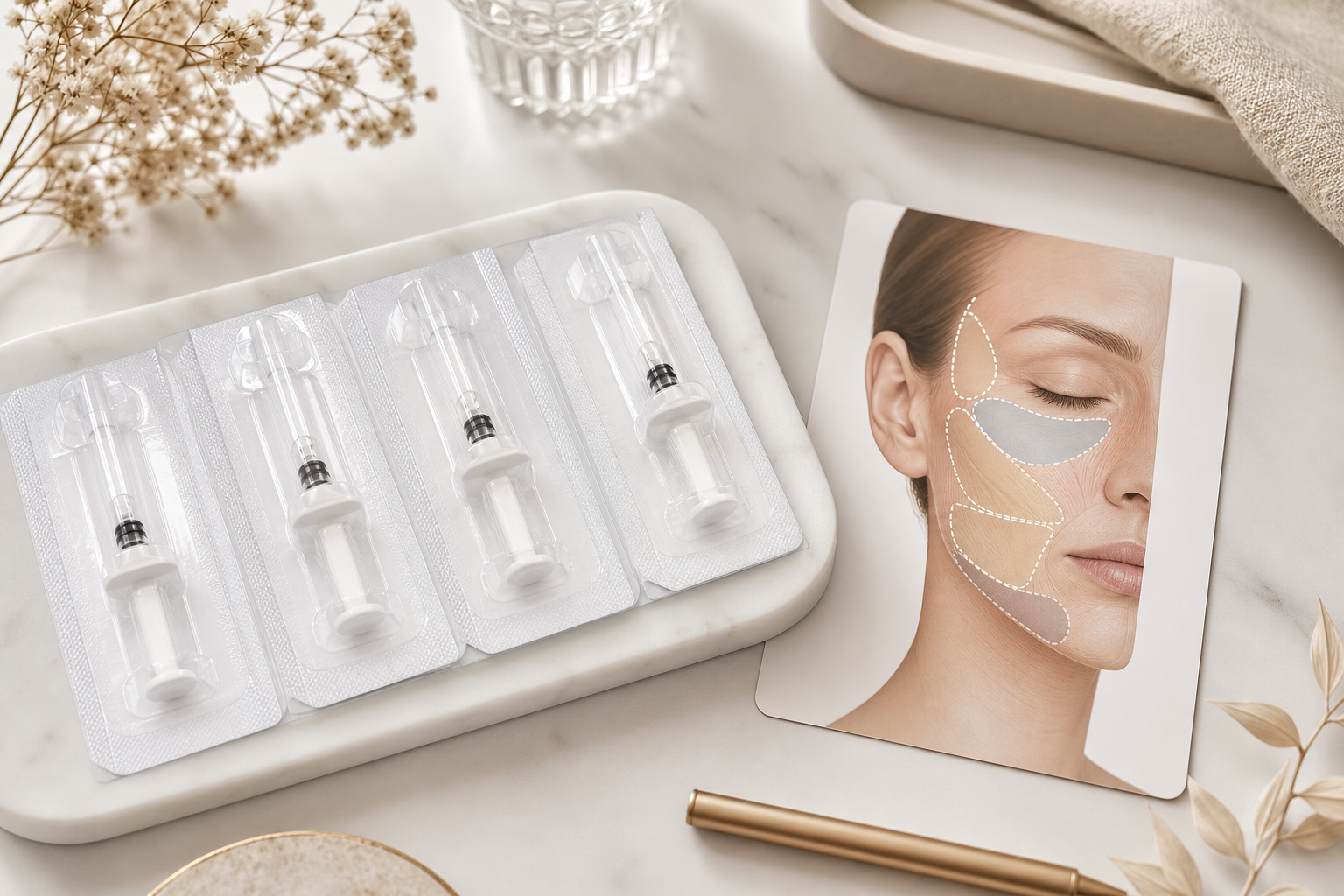
| Тип филлера | Механизм | Начало действия | Продолжительность | Лучшее применение |
|---|---|---|---|---|
| ГК-филлеры (Juvederm, Restylane) | Прямой объём через гиалуроновую кислоту | Немедленно | От месяцев до ~1 года | Щёки, губы, слёзная борозда, марионеточные линии |
| Radiesse | CaHA + стимуляция коллагена | Немедленно + постепенно | ~1+ год | Объём средней части лица, контур подбородка |
| Sculptra | Стимулирует собственный коллаген пациента | Постепенно в течение 2–4 месяцев | ~2+ года | Диффузное восстановление объёма |
| Ботокс (в паре при жидкой подтяжке) | Расслабляет динамические мышцы | 7–10 дней | 3–4 месяца | Лоб, межбровье, гусиные лапки |
Обратите внимание, что ГК-филлеры обратимы (гиалуронидаза может их растворить); Radiesse и Sculptra — нет. Ботокс вообще не является объёмообразующим средством — он включён в состав «жидкой подтяжки лица», потому что расслабление мышц-депрессоров вокруг бровей и рта дополняет контурную работу, которую делают филлеры.
Несколько вещей, стоящих за этой матрицей, о которых маркетинг не говорит вслух.
Ощущение «подтяжки» реально, хотя кожа на самом деле не сдвинулась. Объём, точно размещённый в области скулы, буквально перераспределяет кожный покров над и под ним. Это механическая физика, а не психологическое восприятие. Сделанная хорошо, даже близкие члены семьи замечают изменение, не будучи в состоянии определить, что именно изменилось.
Ловушка перезаполнения также реальна и всё чаще документируется. Рецензируемый анализ, опубликованный в PMC, о выборе омоложения лица признаёт, что нехирургические вмешательства «могут привести к неестественному, переделанному виду». «Подушечное лицо» и мигрирующий филлер, показываемые в социальных сетях в сравнениях «до и после», почти никогда не являются результатом одного агрессивного сеанса. Это накопленный результат консервативно выглядящих отдельных сеансов, повторяемых годами без честной переоценки того, что лицо уже удерживает. Специалист, который не растворяет перед тем, как добавить, — это специалист, чья математика сломана.
Есть пациенты, которым не следует начинать с филлеров. Активные обострения розацеа, нелеченый дерматит или хроническое воспаление создают среду, где травма от инъекции и инородный материал усугубляют основную проблему. Порядок действий важен: сначала стабилизируйте кожный барьер и успокойте воспаление, а инъекции — во вторую очередь. Это как раз та территория, для которой создана дистанционная дерматологическая консультация — оценка готовности полотна до того, как кто-то потратит 1200+ долларов за шприц.
Микронидлинг, лазеры и химические пилинги: слой ремоделирования коллагена, который умножает всё остальное
Именно в этой категории ожидания читателей чаще всего оказываются ошибочными. Ни одна из этих процедур не даёт видимых результатов за одну-две недели. Они дают видимые результаты за двенадцать недель — иногда дольше — потому что опираются на собственный цикл ремоделирования коллагена организма, который биологичен и не может быть ускорен.
Пройдёмся по тому, что пациент фактически испытывает со временем.
Шаг 1: Наносится контролируемая травма.
Микронидлинг создаёт микроканалы на глубину от 0,5 мм (поверхностный, в основном для проникновения продукта) до 2,5 мм (глубже, истинная индукция коллагена). РЧ-микронидлинг добавляет термическое повреждение через эти каналы для более сильного ремоделирования на глубине. Лазерная шлифовка делится на абляционную (CO2, Erbium — испаряет ткань) и неабляционную (Fraxel, BBL — нагревает ткань без удаления поверхности); по данным Park Facial Plastics, более сильные лазеры создают более выраженное улучшение, но требуют большего восстановления, а Cleveland Clinic перечисляет лазерную шлифовку наряду с микродермабразией как стандартные методики работы с текстурой и пигментом. Химические пилинги делятся аналогично: TCA средней глубины даёт истинное ремоделирование, тогда как гликолевый и салициловый пилинги работают поверхностно на отшелушивание и текстуру. ASPS описывает пилинги как «проверенный» метод сужения пор и улучшения качества кожи.
Шаг 2: Организм реагирует — дни 0–14.
Воспаление, покраснение, возможное шелушение, чувствительность. Это каскад заживления раны, а не побочный эффект. Строгое избегание солнца не подлежит обсуждению в этот период. Активные ингредиенты (ретиноиды, кислоты, витамин C) убираются из ухода; поддерживающие барьер топические средства (керамиды, пантенол, центелла) добавляются.
Шаг 3: Начинается выработка нового коллагена — недели 2–8.
Фибробласты усиливают синтез коллагена I и III типов. Кожа ещё не выглядит кардинально иначе — это период, когда многие пациенты заключают, что процедура «не сработала», и бросают протокол. Сроки биологичны, а не обсуждаемы. Терпение — часть дозы.
Шаг 4: Видимое ремоделирование — недели 8–16.
Текстура уточняется. Поры выглядят меньше. Мелкие морщинки смягчаются. Кожа на ощупь становится более упругой и равномернее отражает свет, что визуально читается как «более здоровая» и, в сочетании с восстановленным объёмом, как «подтянутая». Обычно от трёх до шести сеансов с интервалом четыре-шесть недель дают кумулятивное видимое улучшение, включая существенное уменьшение постакне и пигментации и неровной текстуры.
Шаг 5: Фаза поддержания.
Один курс не постоянен. Большинство клиник рекомендуют ежегодные или дважды в год коррекции, ежедневно поддерживаемые топическими ретиноидами и антиоксидантами (витамин C) для постоянной поддержки коллагена. Именно на режиме поддержания большинство пациентов недорабатывают — процедуры записываются, а ежедневные топические средства пропускаются.
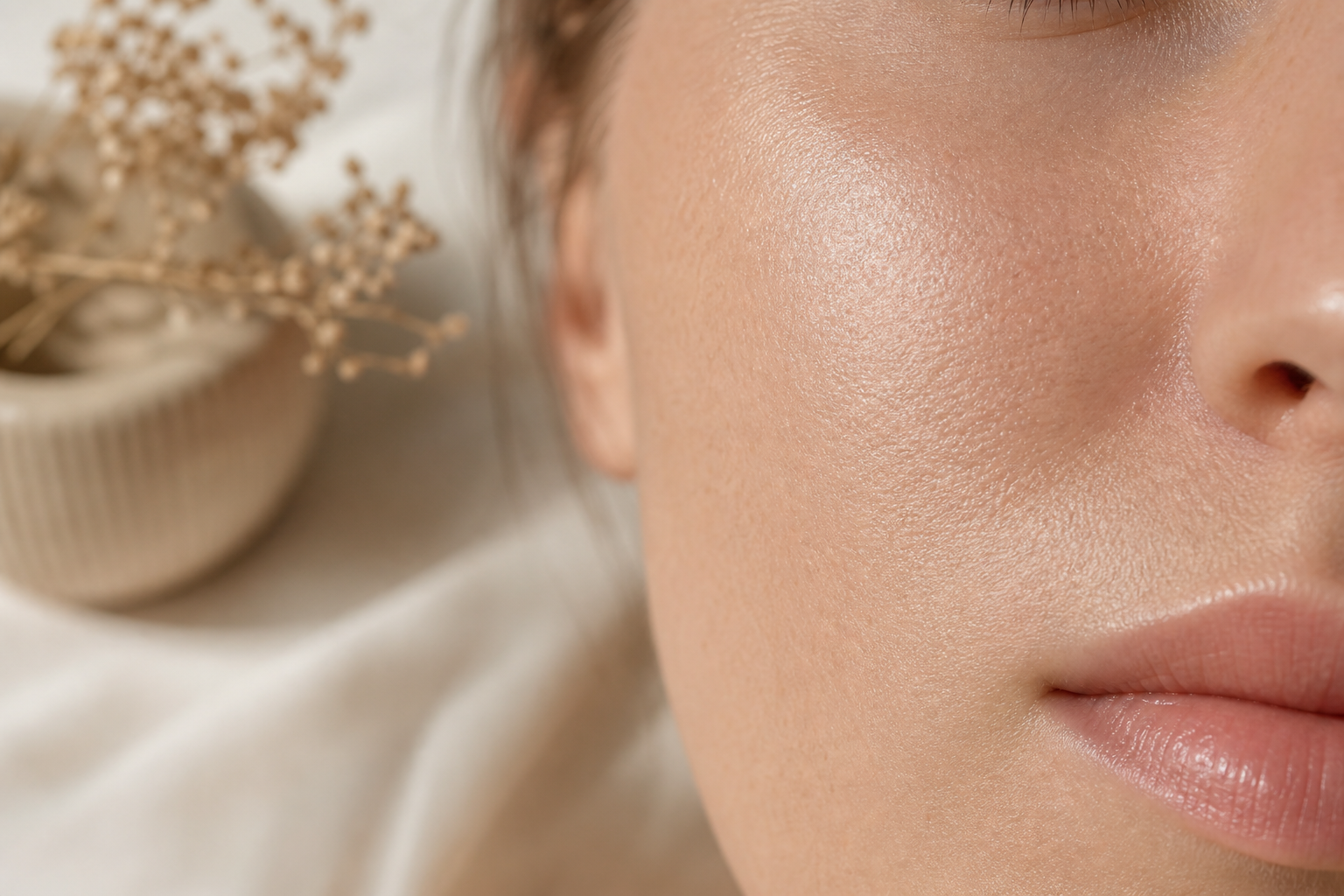
Стратегический момент в том, что эти процедуры ремоделирования редко являются главным заголовком нехирургической подтяжки лица, но они являются умножителем. Более упругая, здоровая, лучше текстурированная кожа удерживает размещение филлера более естественно, лучше выглядит после РЧ- или ультразвуковой подтяжки и отражает свет так, что это читается как «подтянутость», даже когда никакой реальной подтяжки не произошло. Формулировка доктора Паносяна — что лазеры стимулируют коллаген через контролируемую травму и что комбинация важнее любой отдельной методики — это базовая логика. Пациент, который пропускает слой ремоделирования и идёт прямо к филлерам, получает лицо с объёмом, но выглядящее уставшим под этим объёмом. Свет отражается неправильно. Улучшение читается как «филлер», а не как «отдохнувший».
Как комбинированные протоколы дают результаты, которые ложно обещают отдельные процедуры
Пациенты, которые публикуют по-настоящему впечатляющие результаты нехирургической подтяжки лица, почти никогда не делали что-то одно. Они делали три или четыре вещи последовательно, в течение трёх-четырёх месяцев, с топической основой, работающей под всем протоколом. Каждый крупный институциональный источник — Cleveland Clinic, ASPS и клинические голоса, такие как доктор Паносян (который прямо заявляет «нет единого метода, который подходит всем пациентам») — формулирует нехирургическую подтяжку лица как комбинированный, индивидуально подобранный подход. Не единичную процедуру.
Как на самом деле выглядит эта комбинация? Используем представительный образ пациента, чтобы сохранить конкретику.
42-летний пациент со средней частью лица. Лёгкая-умеренная потеря объёма щёк. Раннее размягчение линии подбородка. Мелкие морщинки, формирующиеся в уголках глаз и рта. Кожа в остальном здоровая — нет активного акне, обострения розацеа, нарушения барьера. Цель: выглядеть отдохнувшим и подтянутым, а не «переделанным».
Реалистичный протокол на 3–4 месяца мог бы выглядеть примерно так:
- Месяц 1, неделя 1 — топическая основа. Оценка кожи и оптимизация топического режима. Ретиноид начат с низкой частотой (две-три ночи в неделю, медленно наращивается). Сыворотка с витамином C утром. Широкоспектральный SPF 30+ ежедневно, с повторным нанесением. Увлажняющее средство на основе керамидов дважды в день для поддержки барьера в период введения. Это слой, определяющий, как заживёт всё остальное.
- Месяц 1, неделя 2 — первый сеанс микронидлинга. Глубина 1,5 мм, всё лицо. Запускает часы ремоделирования коллагена, чтобы новый коллаген формировался во время и после последующих процедур, а не после них.
- Месяц 2 — второй микронидлинг + филлер. Второй сеанс микронидлинга. ГК-филлер средней части лица размещён в области верхушки скулы для восстановления объёма и косвенного смягчения нижней части лица. Последовательность важна — филлер не конкурирует с активным заживлением раны, потому что глубина микронидлинга к моменту инъекции уже закрылась.
- Месяц 3 — РЧ-подтяжка + третий микронидлинг. Сеанс РЧ-подтяжки, нацеленный на линию подбородка и шею, где дряблость наиболее заметна. Третий микронидлинг. К этому моменту качество кожи улучшилось достаточно, чтобы РЧ обрабатывала лучший субстрат.
- Месяц 4 — переоценка. Коррекция филлером только при необходимости. Продолжение топических средств бессрочно. Составление календаря поддержания — следующая РЧ через 9–12 месяцев, следующий микронидлинг через 4 месяца, полугодовой пересмотр филлера.
Биологическая логика под этой последовательностью — вот реальное интеллектуальное содержание. Топические средства сначала, потому что здоровье барьера определяет, как заживает каждая последующая процедура — пациент с обезвоженной кожей или нарушенным барьером легче образует рубцы и пигментацию после энергетической работы. Микронидлинг рано, потому что ремоделирование коллагена занимает 8–12+ недель, и вы хотите запустить часы. Филлер в середине, потому что он работает на другом механизме (механическое восстановление объёма) и не конкурирует с активным заживлением раны. РЧ ближе к концу, потому что она выигрывает от улучшенного качества кожи, построенного ранними процедурами. Протокол, выполненный в обратном порядке — сначала РЧ, потом филлер, потом микронидлинг поверх — даёт более неровные результаты, больше наслоения времени восстановления и более высокий риск осложнений.
Результаты, похожие на подтяжку лица, которые действительно впечатляют, происходят, когда подтяжка, объём и топическая подготовка работают последовательно в течение месяцев. Это не одна процедура. Это система.
Теперь честная формулировка стоимости. Комбинированные протоколы обычно обходятся в от 2500 до 8000+ долларов за три-четыре месяца в зависимости от географии, уровня специалиста и того, сколько шприцев филлера вашему лицу действительно нужно. Это существенно меньше, чем хирургическая подтяжка лица, но не случайная покупка, и это не включает ежедневный топический режим, ежегодные процедуры поддержания или коррекции. Рецензируемый анализ PMC о выборе пациента между хирургическим и нехирургическим омоложением ясен: операция даёт более выраженную и долговечную структурную подтяжку. Aesthetic Centre честно формулирует тот же компромисс — операция означает более крупные разрезы, более долгое восстановление и более высокий риск в обмен на результаты, которых нехирургическая категория не может достичь.
Где в этой комбинации место честной дистанционной консультации? Не как замена очным специалистам, которые управляют энергетическими устройствами и делают инъекции. Как топический слой и слой здоровья кожи, который большинство клиник, ориентированных на процедуры, обходят стороной. Пациент, который приходит на приём по РЧ с оптимизированным барьером, контролируемым воспалением, без активных обострений акне и со сбалансированной гиперпигментацией, получает больше от процедуры. Пациент, который приходит с активным воспалением или нарушенным барьером, рискует осложнениями, длительным восстановлением и худшими эстетическими результатами. Роль Macherre — это часть, которая определяет, действительно ли процедуры, за которые вы в итоге платите, обеспечивают то, что обещают — обрабатывается дистанционно, с отправкой фото и персонализированными протоколами, до того, как какое-либо устройство коснётся вашего лица.
Долгосрочное переосмысление — то, что маркетинг вам не продаст. Нехирургическая подтяжка лица — не единичное событие. Это дисциплина поддержания. Профессиональные процедуры каждые шесть-двенадцать месяцев в сочетании с ежедневным топическим режимом, поддерживающим коллаген — ретиноиды, витамин C, пептиды, ниацинамид, широкоспектральный SPF — создают пациентов, которые выглядят по-настоящему хорошо в 50 и 60 лет. Пациенты, которые выглядят по-настоящему хорошо в 50 и 60, почти без исключения — это пациенты, которые начали топический разговор в 35 и 40.
Тревожные сигналы, реалистичные побочные эффекты и когда правильный шаг — уйти
Момент выстраивания доверия. Вы взрослый человек, способный принять взрослое решение при наличии честной информации, поэтому этот раздел даёт её без прикрас.
Документированный профиль рисков реален. Рецензируемый анализ PMC признаёт, что нехирургические вмешательства могут привести к «неестественному, переделанному виду» и всё же могут вести к осложнениям, включая рубцевание. Cleveland Clinic перечисляет конкретные реалистичные риски: кровотечение, волдыри, синяки, сухость кожи, инфекция, рубцевание и изменения цвета кожи — особенно когда процедуры выполняются недостаточно квалифицированными специалистами или с настройками, выкрученными слишком агрессивно. Charlotte Plastic Surgery отмечает, что хотя нехирургические подтяжки лица в целом безопасны, выбор квалифицированного и опытного специалиста существенен для этого профиля безопасности.
Конкретные вещи, которые должны заставить вас пересмотреть консультацию, стоящую перед вами:
- «Результаты подтяжки лица за один сеанс» — это маркетинговый признак. Ни одна отдельная нехирургическая методика не даёт результатов, эквивалентных подтяжке лица, за один сеанс. Специалист, утверждающий обратное, либо использует настройки достаточно агрессивные, чтобы рисковать ожогами и изменениями пигмента, либо продаёт то, что не может обеспечить. И то, и другое — сигнал уходить.
- Специалист, который давит на объединение нескольких агрессивных процедур за одно посещение. Совмещение РЧ, филлера и микронидлинга в одном приёме максимизирует доход клиники и усугубляет ваше бремя заживления — больше отёка, дольше восстановление, труднее диагностировать осложнения, если что-то пойдёт не так. Поэтапный протокол в течение недель — это стандарт медицинской помощи, а не дополнительная продажа.
- Специалист, который не может показать реалистичные фото «до и после». Реалистичные означает последовательное освещение, нейтральный макияж, тот же ракурс камеры, всё лицо видно в одинаковый момент времени (3 месяца, 6 месяцев) для каждого показанного пациента. Отобранные экстремальные трансформации разных пациентов с сильной ретушью — это флаг доверия, а не портфолио.
- Специалист, который не может сформулировать специфику устройства. «Мы используем Ultherapy» недостаточно. Правильные вопросы: на какой глубине вы работаете — 1,5 мм, 3,0 мм, 4,5 мм? Сколько линий за сеанс? Сколько сеансов вы лично выполнили именно с этим устройством? Репутация бренда не управляет устройством. Оператор управляет.
- Честное время восстановления по методикам — установка ожиданий, а не тревожные сигналы:
- РЧ: покраснение на часы-несколько дней; некоторый отёк.
- Сфокусированный ультразвук (Ultherapy): минимальное внешнее восстановление; возможна болезненность в течение дней.
- ГК-филлеры: 24–72 часа отёка; синяки возможны до недели.
- Микронидлинг: 3–7 дней покраснения, шелушения и чувствительности в зависимости от глубины.
- Лазерная шлифовка: варьируется от дней для неабляционной до недель для абляционной CO2, согласно Park Facial Plastics.
- Пациенты, которым следует приостановить или полностью пропустить нехирургические процедуры подтяжки лица: все, у кого активные обострения акне, активные обострения розацеа, недавнее применение изотретиноина (Аккутан) — обычно ожидание 6–12 месяцев согласно большинству клинических рекомендаций — беременность, иммунодефицит или тяжёлая дряблость кожи, превышающая примерно 2 см избыточной кожи, где хирургические варианты дают лучшую отдачу от вложений. Нелеченые забитые поры и активная застойная сыпь также нужно устранить до того, как любая процедура на основе энергии коснётся лица, потому что процедура может загнать воспаление глубже.
- Проверка честности насчёт поддержания. ASPS прямо указывает, что методики нехирургической подтяжки лица нужно повторять каждые несколько месяцев для поддержания оптимальных результатов. Пациент, который может позволить себе один курс за 5000 долларов, но не постоянное поддержание, — это пациент, который будет разочарован на двенадцатом месяце, когда результаты угаснут, а бюджета на следующий курс не будет.
- Когда операция — более честный ответ. Тяжёлая дряблость, глубокие носогубные складки, продвинутое образование брылей — это структурные проблемы. Нехирургические процедуры могут улучшить их на 10–15%; хирургическая подтяжка лица решает их на уровне фасции. Анализ PMC ясен, что операция даёт более выраженную и долговечную структурную подтяжку. Выбор операции в этом случае — не провал. Это лучшая экономика. Потратить 8000 долларов на нехирургические процедуры, дающие 15% улучшения, когда хирургическая работа за 25000 долларов дала бы 70% улучшения, продержавшегося десять лет, — это худшее решение, а не более безопасное.
Если специалист обещает результаты у