





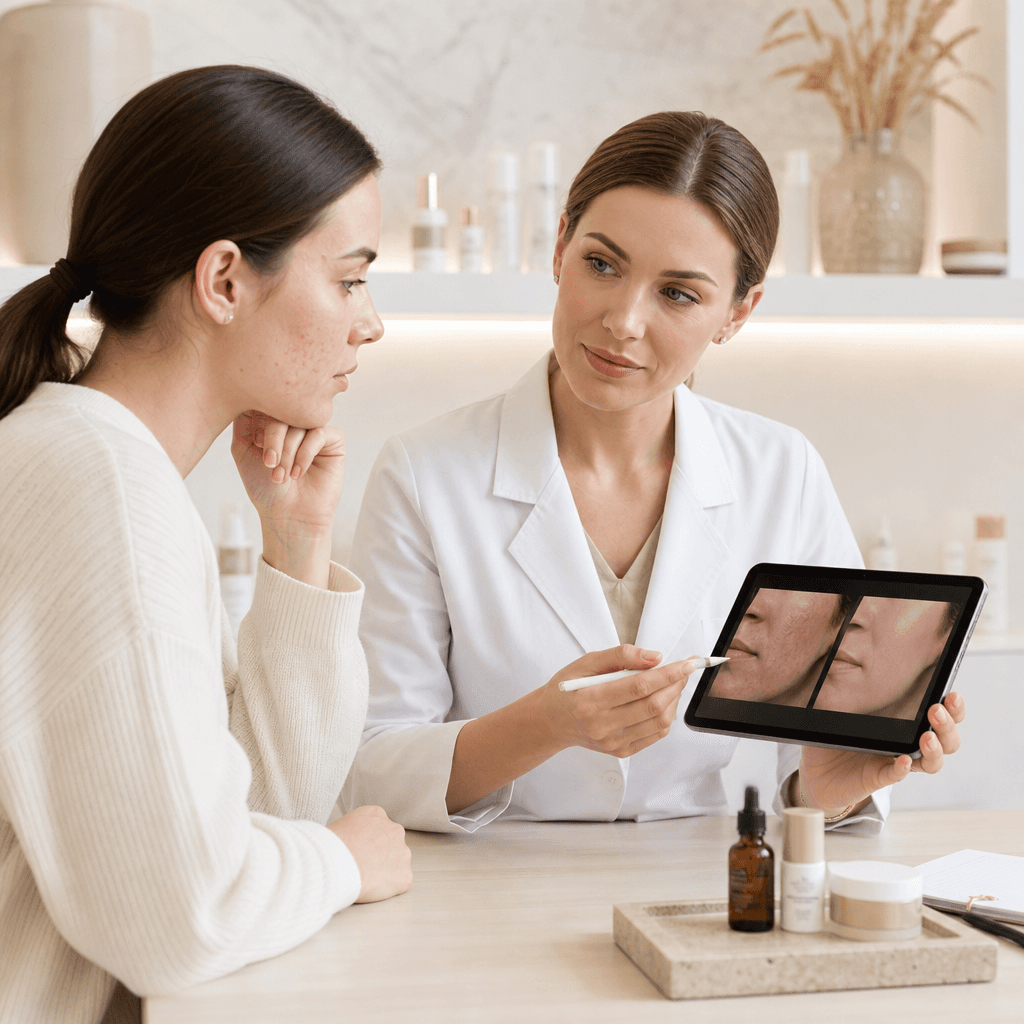
Clear Skin: What Clear Skin Really Takes: A Cosmetologist's Honest Roadmap
This article is educational and does not diagnose a condition or replace care from a qualified medical professional.
You have probably been promised clear skin in seven days, in one bottle, or after a single dramatic routine overhaul. If any of that had worked, you would not be reading this. The honest truth from the treatment side of the table is that skin clarity is a project measured in months, not a purchase you make once and forget. It responds to consistency, correct choices, and steady adjustment far more than it responds to novelty or intensity.
Dr. Maria, the cosmetologist behind Macherre Medical Center, has spent around five years working with acne, rosacea, pigmentation, sensitive skin, and the earliest signs of aging. The pattern she sees repeatedly is not that people fail to try hard enough. It is that they try too many things, too aggressively, with no structure and no one adjusting the plan when the skin talks back. This roadmap explains what genuinely moves the needle, why it takes time, and where a guided remote program fits into that picture.
Table of contents
- Why clear skin isn't instant: the timeline you're rarely told
- The four foundations of clear skin, beyond just products
- Dr. Maria's ProAcne roadmap: from first photo to first clear month
- Beyond pimples: redness, marks, texture and what clear really means
- Lifestyle, nutrition, and habits: the invisible half of your routine
- Is remote cosmetology right for you? How to know and what to expect
- Frequently asked questions
Why clear skin isn't instant: the timeline you're rarely told
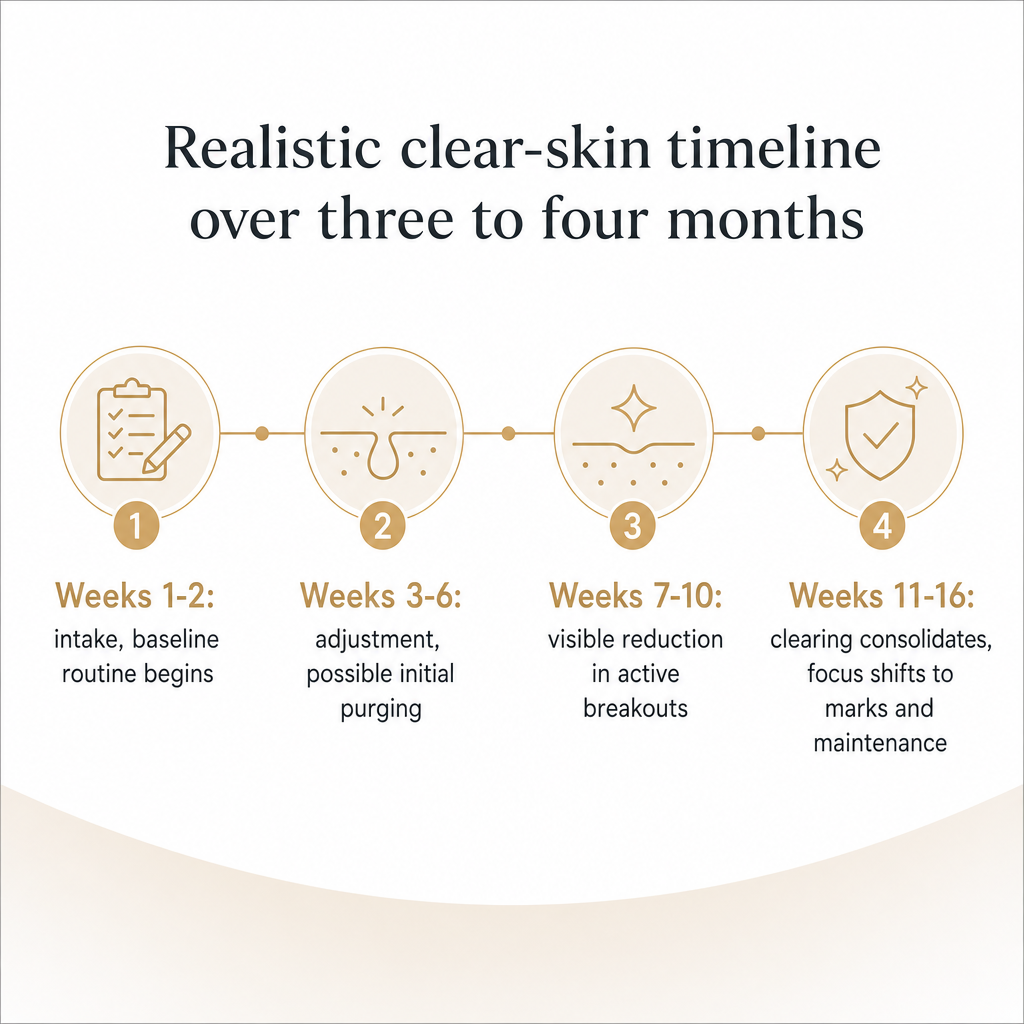
The single most useful expectation to set at the start is duration. Dermatology guidance is consistent on this point: acne-prone skin usually needs to be treated comprehensively for at least three to four months before it fully clears, and that treatment often has to cover apparently unaffected areas, not only the spots you can see today. That is the timeline the fast-fix marketing conveniently leaves out.
This is not a flaw in your effort or your products. Skin cells turn over, follicles unclog, inflammation settles, and pigment fades on biological schedules that a serum cannot rush. When you switch products every ten days because nothing looks perfect yet, you reset the clock over and over and never give any approach the runway it needs to work.
Macherre's flagship ProAcne Program is deliberately built on this reality. It runs as a three to four month course with bi-weekly follow-ups, which lines up closely with the clearing window that dermatology sources describe. The structure is the point: instead of hoping a single change works, you commit to a guided stretch of time in which the plan is monitored and refined as your skin responds. The clinic reports a 95% success rate for the program, a figure it states as its own outcome claim rather than an independently verified universal result; a sensible reader should ask how success is defined and treat it as the clinic's own measure of significant clearing or improvement.
There is also an emotional side to the timeline that deserves honesty. The middle weeks are where most people quit, because early progress can be uneven and some routines cause a temporary flare before they help. Knowing in advance that months two and three are usually where the real change consolidates makes it far easier to stay the course.
The four foundations of clear skin, beyond just products
When dermatology clinics strip a routine down to what actually matters, they tend to land on the same short list of pillars: cleanse, treat, hydrate, and protect. Everything else is refinement. A routine that is simple, consistent, and matched to your skin type reliably outperforms a crowded shelf of trendy actives used inconsistently.
Cleanse means removing oil, sweat, debris, and residual product without stripping the skin. The guidance favors non-abrasive, alcohol-free cleansers, lukewarm water, and patting rather than rubbing the skin dry. People who wear makeup or heavier sunscreen may benefit from double cleansing, an oil-based cleanse followed by a water-based one, to avoid leaving residue that clogs pores. This is a technique adjustment, not another product to buy.
Treat is where targeted actives come in. Topical retinoids such as tretinoin, retinol, or adapalene are widely described as a gold-standard choice for both acne and early aging, typically used at night as tolerated. Chemical exfoliants using AHAs or BHAs, generally once or twice a week, help clear dead cells and unclog pores while gradually fading post-acne marks. Niacinamide supports the barrier and helps with redness and oil, and vitamin C serums add antioxidant protection and brightening. The catch is that these ingredients are powerful precisely because they are active, and using several at full strength at once is how people wreck their barrier. This is the part of a routine where professional selection and gradual titration matter most.
Hydrate is not optional even for oily or acne-prone skin. A dehydrated barrier overproduces oil and reacts more easily, so restoring moisture balance is a foundation rather than an afterthought. If your skin feels tight, dull, or flaky, that barrier work often has to come first before aggressive treatment makes any sense.
Protect means daily broad-spectrum sunscreen of at least SPF 30, applied to all exposed areas including the neck and hands, on cloudy days and even when you are mostly indoors. Sunscreen is what stops new hyperpigmentation from forming and prevents the actives you are using from backfiring, since retinoids and acids increase sun sensitivity. No roadmap to clear, even-toned skin works without it, which is why any credible plan insists on it.
At Macherre, these four foundations are not a generic handout. They are the frame within which Dr. Maria builds a personalized morning and evening routine, choosing which actives belong in your plan and at what pace, so that the treatment step advances your goals without provoking the sensitive or reactive responses that derail so many self-directed attempts. For congestion that shows up as blackheads and whiteheads rather than inflamed spots, the clinic's blackheads and whiteheads removal consultation addresses that textural side of clarity directly.
Dr. Maria's ProAcne roadmap: from first photo to first clear month
The remote-first model is straightforward on the surface and carefully structured underneath. It removes the friction of travel and scheduling while keeping a real clinician in the loop, which is the combination most home routines lack.
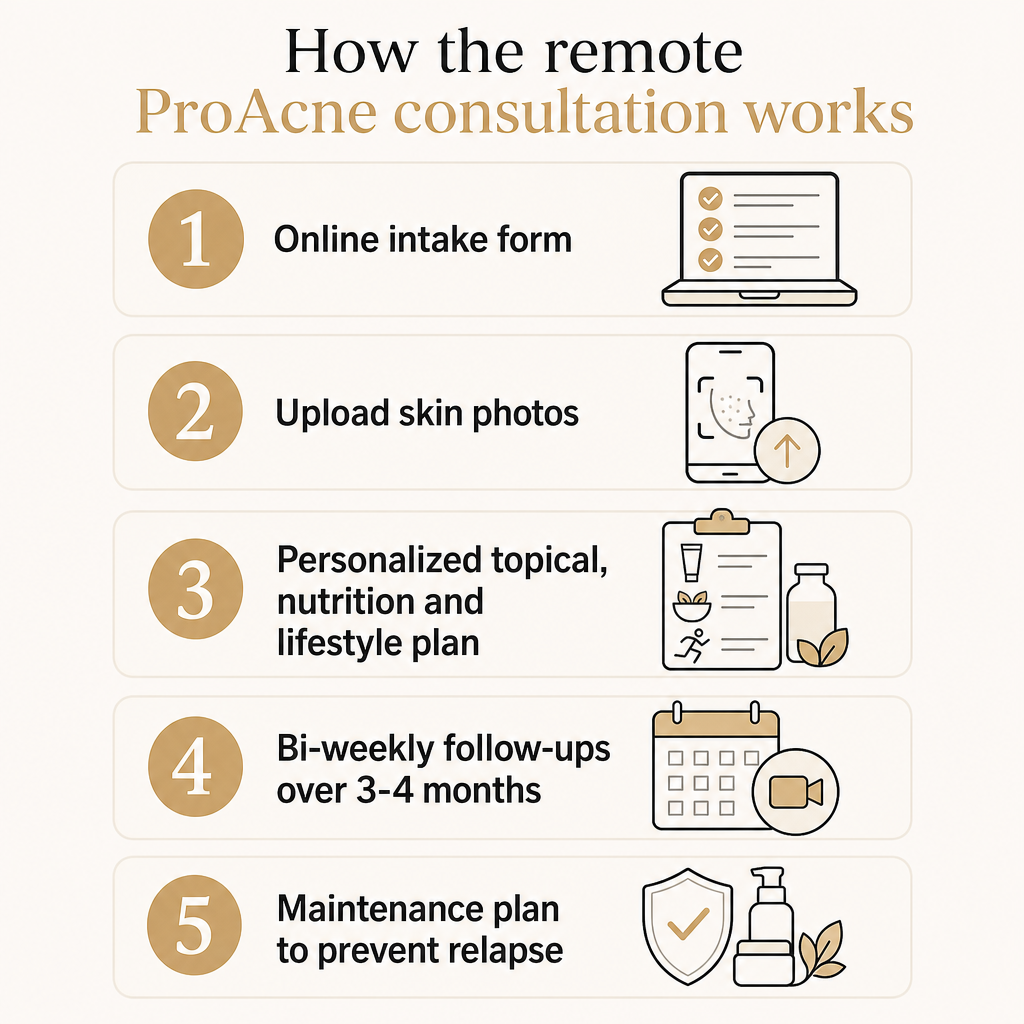
It begins with an online intake form, where you describe your symptoms, history, the products you are currently using, and relevant lifestyle factors. This matters because the same breakout can have very different drivers, and a plan built without that context is guesswork. Next comes photo submission: clear images that let Dr. Maria assess lesions, pigmentation, and texture the way she would in person, so the assessment is based on your actual skin rather than a description of it.
From there you receive a personalized roadmap. That plan sets out a morning and evening topical routine, nutrition and lifestyle recommendations tied to your specific goals, and a timeline with checkpoints, including an honest note on what early purging might look like versus the longer arc of real clearing. Crucially, the plan is not a static PDF. The bi-weekly follow-ups over three to four months are where actives get adjusted, side effects get managed, and adherence gets supported. If something is too strong, it is dialed back before it damages the barrier; if progress stalls, the plan changes rather than the client silently giving up.
This follow-up rhythm is the honest difference between scattered DIY effort and a guided program. Most people fail not because they picked the wrong first product but because no one was there to course-correct at week four, week eight, and week twelve. The plateaus and setbacks that make people abandon a routine are exactly the moments the program is designed to absorb. Once your skin is clearer, the final stage is a maintenance plan aimed at preventing relapse, because clearing skin and keeping it clear are two related but distinct jobs.
Because the program treats acne as a whole-person issue rather than a surface one, it suits people who have cycled through over-the-counter products without lasting results. If your primary concern is active, inflamed breakouts, the acne treatment consultation is the natural entry point, since its focus is identifying the cause first and then building the tailored plan around it rather than starting from a fixed product list.
Beyond pimples: redness, marks, texture and what clear really means
One of the quiet reasons people feel like they are failing is that they define clear skin as poreless perfection. That standard is unrealistic for almost everyone, and chasing it usually leads to over-treatment that makes skin worse. A more useful and achievable definition of clear is skin that is calmer, more even in tone, and smoother in texture, with far less visible inflammation than before.
That broader definition matters because the work often continues after active breakouts are controlled. Post-inflammatory hyperpigmentation and acne scarring frequently need months of dedicated pigment work even once the spots themselves have stopped forming. Treating the aftermath is a distinct phase, and Macherre's post-acne and discoloration treatment exists precisely for that stage, so that people do not assume clearing the acne was the finish line only to be discouraged by the marks left behind.
Redness is another form of clarity that gets overlooked. For readers dealing with persistent flushing or reactive redness, the goal is calmer, less reactive skin rather than a poreless finish, and the clinic's rosacea management consultation focuses on reducing redness and preventing flare-ups. Even tone is a further dimension: sun damage and age spots respond to different strategies than acne, which is where dedicated hyperpigmentation care comes in. Texture concerns like roughness and bumpiness are their own category too, addressed through skin texture work rather than acne actives.
Sensitive and reactive skin deserves special mention, because for many people the path to clearer skin is counterintuitively about doing less. When skin burns, itches, or reacts to nearly everything, the honest fix is minimizing irritation and over-treatment, rebuilding the barrier, and reintroducing actives slowly and selectively. That restraint is a clinical decision, not a failure of ambition, and it is one of the clearest arguments for having a professional set the pace rather than layering yet another strong product on already inflamed skin.
Lifestyle, nutrition, and habits: the invisible half of your routine
What you apply is only part of the equation. Dermatology guidance consistently points to diet, hydration, sleep, stress, and everyday hygiene as real contributors to skin clarity, which is why a serious plan looks past the bathroom shelf.
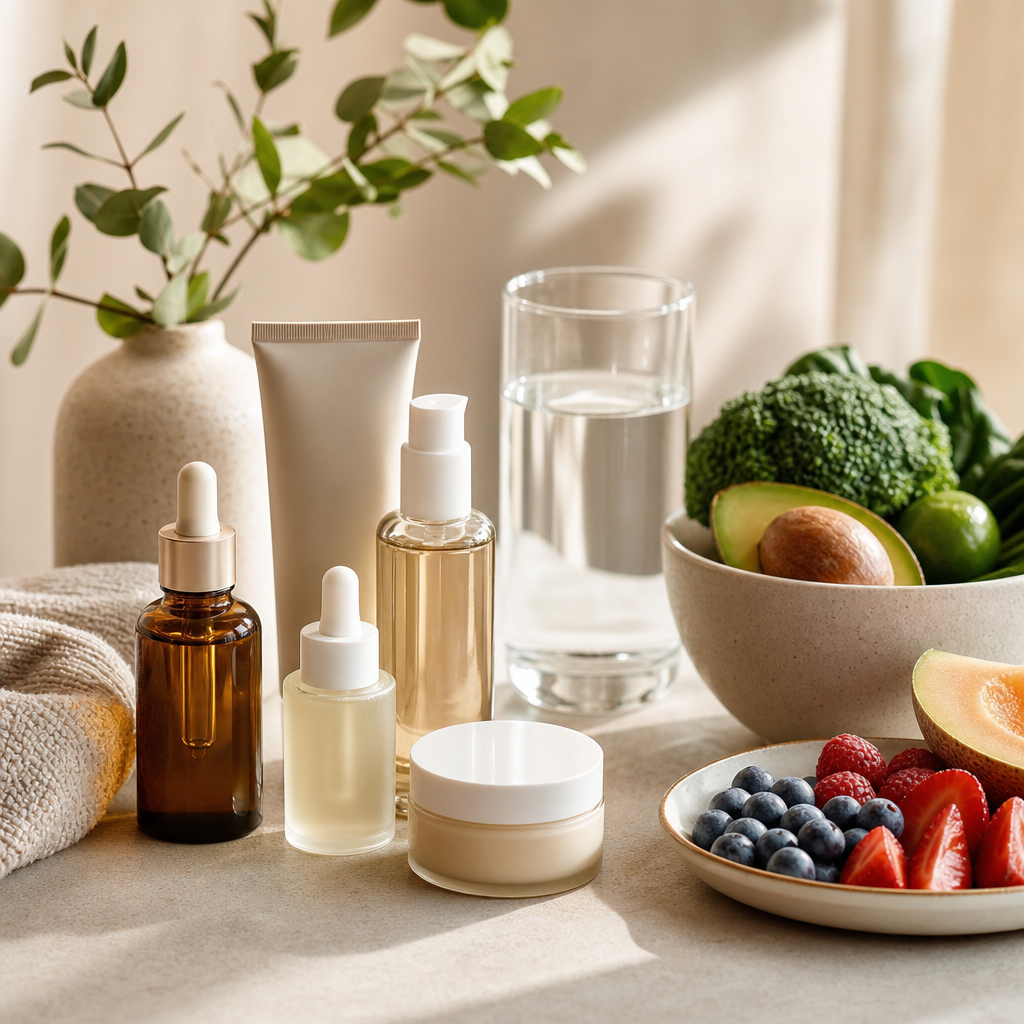
On the nutrition side, the advice is not a fad diet but a steady pattern: whole, nutrient-rich foods and adequate hydration, with attention to reducing excess sugar and alcohol. Sleep and stress management are treated as skin factors rather than vague wellness extras, because both influence inflammation and healing. Smoking cessation sits in the same category of habits that meaningfully affect the skin over time.
The practical hygiene habits are often the easiest wins and the most neglected. Removing makeup before exercise, showering after intense workouts, washing pillowcases regularly, and avoiding extreme temperatures all reduce the everyday load on your skin. None of these is glamorous, and none of them sells a product, which is probably why they are missing from most influencer routines.
Macherre folds this invisible half directly into its plans. The personalized roadmap covers nutrition and lifestyle alongside topicals, so the guidance is aligned with your specific skin goals rather than delivered as generic wellness advice. This whole-person framing is central to the clinic's positioning, which prioritizes cosmetology-grade topicals, nutrition, and supportive lifestyle change, and recommends escalating to formal medical care only when the situation genuinely calls for it. Anyone with severe nodulocystic acne or systemic symptoms should seek appropriate medical evaluation, and a responsible remote program will be candid about the limits of its scope rather than promising to replace it.
Is remote cosmetology right for you? How to know and what to expect
Remote care is not for absolutely everyone, and pretending otherwise would undercut the honesty this whole roadmap is built on. It fits best for chronic or hormonal acne, rosacea and persistent redness, pigmentation and post-acne marks, and sensitive skin that keeps reacting to whatever you try. It also suits people who specifically want a non-medication or topical-focused approach and who are tired of buying products that never quite work together.
The practical advantages are real. You are not limited by which clinics happen to be near you, you skip the waiting rooms, and the bi-weekly cadence keeps the plan under active supervision instead of leaving you alone with it. Macherre serves English- and Russian-speaking clients with dual-language content across its site, which removes a common barrier for international patients who struggle to get nuanced skin guidance in their own language.
A few expectations are worth confirming directly rather than assuming. Consultations are described as starting from around $115 | €99, positioned as a premium yet accessible alternative to repeated ineffective product hauls and to many in-person visits, especially when the cost is spread across a three to four month course. Because pricing, package structure, and the exact format of follow-ups can change, it is sensible to verify the current details on the site before you commit. Deciding is mostly a matter of matching your main concern to the right pathway: inflamed breakouts point toward the acne treatment consultation, lingering dark marks toward the post-acne and discoloration treatment, and redness toward the rosacea management consultation. From there, the first concrete action is the same regardless of concern: complete the intake form and submit your photos so an actual assessment can begin.
Frequently asked questions
How long before I see results from the ProAcne Program?
Plan in months rather than weeks. Dermatology guidance indicates acne commonly needs at least three to four months of comprehensive treatment before it fully clears, which is exactly why the ProAcne Program runs over that window with bi-weekly follow-ups. You may notice some change earlier, but the meaningful, durable clearing typically consolidates in the later weeks, and there can be an uneven or purging phase before things settle.
Can I do this without oral medications?
A topical-focused, non-medication approach is squarely within Macherre's model. Plans prioritize cosmetology-grade topicals along with nutrition and lifestyle support, and Dr. Maria recommends escalating to formal medical care only when the situation genuinely warrants it. If you have severe, cystic acne or systemic symptoms, that is a case where separate medical evaluation is the responsible step.
What if I have sensitive skin and have reacted to everything?
Reactive skin usually needs less, not more. The honest starting point is minimizing irritation, rebuilding the barrier, and reintroducing actives slowly under supervision rather than layering strong products. That paced, monitored approach is one of the main reasons a guided plan tends to work better than self-directed experimentation for sensitive skin.
Can I treat acne and pigmentation at the same time?
Often yes, but the sequencing matters. Active breakouts are usually addressed first, while post-acne marks and hyperpigmentation frequently need continued, dedicated work even after the acne itself is controlled. A personalized plan can stage both concerns so the pigment treatment does not aggravate skin that is still breaking out.
How often will I talk to Dr. Maria?
The ProAcne Program is built around bi-weekly follow-ups across the three to four month course, which is where actives are adjusted and side effects managed. The exact format of those check-ins is best confirmed directly with the clinic, since delivery details can vary.
Is this available in my country and language?
Macherre operates remotely and supports both English- and Russian-speaking clients with dual-language content, which makes it accessible to an international audience. Because availability and specifics can depend on your situation, confirming the current details through the site before you start is the safest approach.