





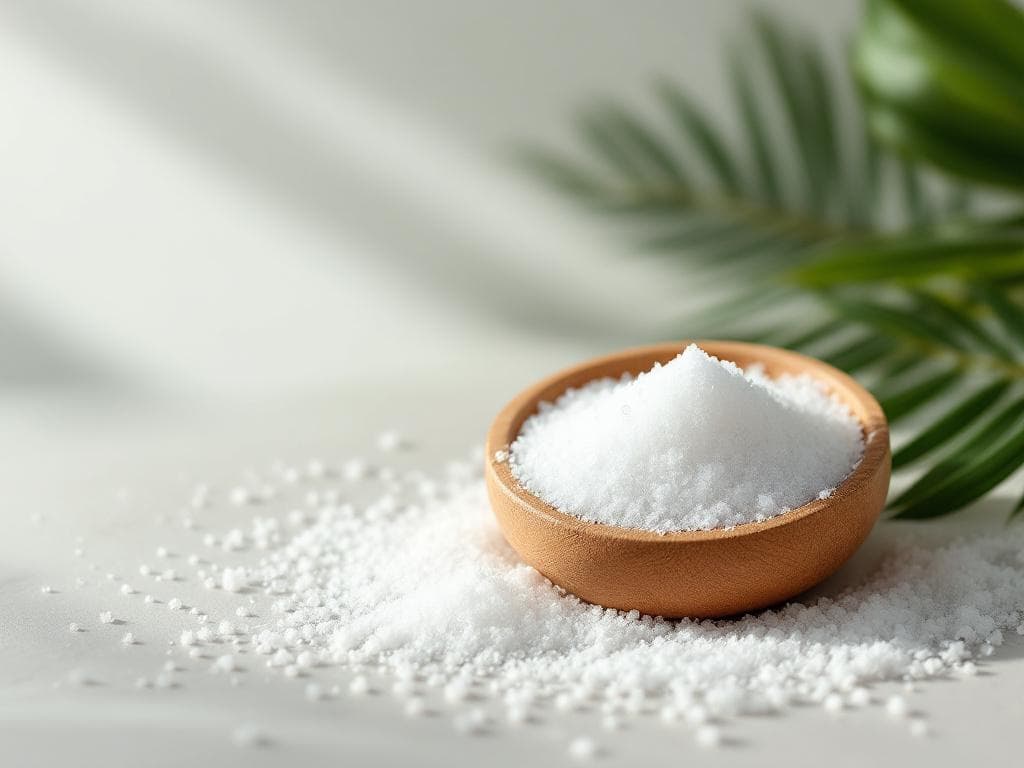
Exploring the Benefits of Sea Salt in Acne Care: Nature's Antimicrobial Secret
This article is educational and does not diagnose a condition or replace care from a qualified medical professional.
Introduction:
Sea salt, a renowned natural exfoliant and mineral-rich substance, has gained immense popularity in skincare due to its origins and remarkable properties. Derived from evaporated seawater, sea salt is becoming increasingly recognized as a natural remedy for treating acne. Its soothing and exfoliating attributes make it a gentle alternative to chemical-based skin treatments. Many individuals now embrace sea salt not only for its traditional roles in exfoliation and relaxation but also as a beneficial aid in managing acne, thanks to its calming effects and potential to unclog pores. This "sea salt" approach offers a purer way to promote skin health without resorting to harsh chemicals.
Understanding Sea Salt:
To appreciate the value of sea salt in skin treatment, one must first understand what distinguishes it from regular table salt. Produced by evaporating seawater, sea salt retains high levels of essential minerals like magnesium, calcium, potassium, and sodium, which are largely stripped away in refined table salt. This mineral-rich composition contributes significantly to its role as a natural remedy in skincare.
Unlike table salt, which is generally pure sodium chloride with added anti-caking agents, sea salt boasts a complex array of nutrients that support skin rejuvenation and detoxification. These elements contribute to maintaining moisture, improving texture, and supporting overall skin health. The natural balance of minerals in sea salt has the potential to enhance the skin’s resilience and beauty, making it a valuable addition to any skincare routine. Moreover, this can aid in post-acne recovery, similar to specialized post-acne and discoloration treatment.
Moreover, sea salt's mineral content offers multiple benefits for skin rejuvenation and detoxification. Magnesium, for instance, is known to reduce inflammation and promote moisture retention, effectively soothing irritated skin. Calcium aids in protecting the skin barrier, while potassium helps with hydration, making the mineral-rich nature of sea salt superb for maintaining healthy skin. When used consistently, sea salt treatments can encourage skin detoxification, leaving individuals with a refreshed and vibrant complexion.
Acne Care and Sea Salt:
Sea salt offers intriguing potential in the realm of acne care, owing to its antimicrobial properties and natural exfoliating abilities. For individuals seeking an organic approach to their skincare regimen, sea salt provides a chemical-free alternative to many conventional acne treatments. Its antimicrobial action targets and inhibits the proliferation of acne-causing bacteria, a key step in preventing breakouts.
The preference for sea salt over chemical solutions stems not only from its natural origin but also from its ability to regulate oil production and promote skin turnover. By regulating oil levels, sea salt helps reduce the likelihood of sebum buildup, thereby minimizing the conditions under which acne thrives. Additionally, the exfoliating action of sea salt encourages the removal of dead skin cells, which often clog pores and lead to acne formation. For comprehensive care, similar to professional acne treatment, sea salt can be a beneficial addition.
Natural remedies, like sea salt, present a much less invasive option than traditional acne treatments which often contain harsh chemicals. These chemicals can strip the skin of its natural oils, potentially leading to dryness and irritation. In contrast, sea salt, with its inherent mineral content, not only helps manage oil levels but also promotes hydration and skin turnover. By gently buffing away dead skin cells, it encourages the regeneration of new ones, enhancing the skin’s natural glow while assisting in the reduction of inflammation commonly associated with acne.
Antimicrobial Properties:
Sea salt's antimicrobial properties play a pivotal role in its effectiveness against acne. These properties stem from the high concentrations of minerals like sodium, which draws out toxins and impurities from the skin. By doing so, sea salt helps create an inhospitable environment for acne-causing bacteria, effectively reducing their ability to thrive.
The mechanisms underlying these antimicrobial actions are fascinating. When applied to the skin, sea salt absorbs excess oil and impurities, effectively detoxifying the pores. This not only cleanses the skin but also balances its pH levels, making it difficult for bacteria to proliferate. The result is a reduction in outbreaks and an improvement in the skin's overall health.
Moreover, the ability of sea salt to absorb toxins from the skin adds another layer of defense against acne. As these impurities are drawn out, the skin is left cleaner and less susceptible to bacterial colonization. This action not only aids in preventing acne but also in treating it. When applied as a part of a regular skincare routine, sea salt can lead to fewer breakouts, a reduction in acne severity, and ultimately contribute to clearer and healthier skin.
How Sea Salt Works as a Natural Remedy:
The workings of sea salt as a natural remedy for the skin encompass several beneficial actions: exfoliating dead skin cells, detoxifying impurities, and balancing oil production. As an effective exfoliant, sea salt gently removes dead skin cells, revealing a fresh layer of skin and unclogging pores. This exfoliation helps prevent the buildup of impurities that can contribute to acne formation.
The detoxifying properties of sea salt also play a crucial role in maintaining healthy skin. By drawing out impurities and toxins, sea salt cleanses the skin, reducing the chances of infections that can lead to acne. Furthermore, sea salt has a unique ability to balance oil production, which prevents excess sebum that can clog pores and lead to breakouts.
Sea salt's contribution to maintaining the skin’s pH levels is another vital aspect of its effectiveness as a skincare remedy. The minerals, particularly magnesium, help soothe inflammation, often causing redness and irritation. By calming inflamed skin and regulating its pH, sea salt promotes a healthier, more balanced complexion.
Using Sea Salt for Acne Care:
- DIY Face Mask or Cleanser: Create a simple facial treatment by mixing 3 tablespoons of sea salt with 1 cup of warm water. After dissolving the salt, soak a washcloth in the solution and apply it to the affected areas of the face for a few minutes. This helps cleanse and soothe the skin. For an exfoliating scrub, combine sea salt with honey and oils to make it gentle and moisturizing.
- Salt Facial or Soak: For a more luxurious treatment, a sea salt facial or soak can enhance skin health. Use a fine sea salt mist to gently exfoliate the skin, followed by hydrating treatments to lock in moisture. Professional treatments might include the use of serums and LED therapies alongside salt facials. Bath soaks enriched with sea salt allow for full-body benefits, leveraging the minerals’ potential to promote skin health.
Tips and Precautions: While sea salt can be beneficial, using it correctly is crucial. Limit application to 2-3 times a week to avoid over-drying or irritating sensitive skin. Always dilute sea salt properly before application and moisturize the skin afterward to maintain hydration. A patch test is advisable before widespread application to identify any potential allergic reactions. For those dealing with severe acne, consulting a dermatologist is recommended to tailor the use of sea salt to individual skin needs, ensuring a balance between natural and professional treatments.
Additional Benefits of Sea Salt in Skin Treatment:
Beyond addressing acne concerns, sea salt offers a range of benefits that enhance overall skin treatment, improving skin texture and health. By minimizing pores and smoothing the surface, sea salt can visibly enhance the skin’s appearance. Its capabilities in reducing inflammation are particularly helpful for those with conditions like eczema or psoriasis.
Moreover, sea salt has the potential to fade scars and hyperpigmentation, due to its gentle exfoliating and regenerative properties. It is also known for boosting circulation, which enhances skin health by delivering more nutrients to skin cells and assisting in their rejuvenation.
Testimonials and experiences from individuals who’ve integrated sea salt into their skincare routines emphasize these broader benefits. Many report clearer skin, faster healing times, and a more even skin tone after regular treatments involving sea salt. It's important to note, however, that responses can vary based on individual skin types and existing conditions, underscoring the importance of a personalized approach to skincare.
Conclusion:
In conclusion, sea salt offers a multifaceted approach to skincare that extends beyond its renowned antimicrobial and exfoliating properties. It can effectively be integrated into acne care routines, providing numerous skin health benefits without the drawbacks of harsh chemicals. When used in moderation, and complemented by professional skincare advice, sea salt can be a powerful component of a beauty regimen focused on natural remedies. Its efficacy lies in its unique composition of minerals that work harmoniously to rejuvenate, detoxify, and soothe the skin, ultimately contributing to healthier, clearer, and more balanced skin.
FAQ Section:
What is the best way to store sea salt for skincare use?
Sea salt should be kept in a cool, dry place, most preferably in an airtight container. This prevents moisture from seeping in, which could cause clumping or degradation of its quality.
Can sea salt be used on all skin types?
Generally, sea salt can benefit all skin types, but its use should be adjusted to individual needs. Those with highly sensitive skin should proceed with caution, potentially starting with diluted solutions to avoid irritation.
Is there a difference between Dead Sea salt and regular sea salt in skincare?
Yes, there is a difference. Dead Sea salt contains a higher concentration of minerals such as magnesium and potassium compared to typical sea salt, offering potentially stronger therapeutic benefits. However, both types support skin health effectively.
Can I use sea salt to treat other conditions, like eczema?
Sea salt may assist in alleviating symptoms of eczema and other skin inflammatory conditions by reducing inflammation and soothing the skin. However, it's crucial to consult with a healthcare provider for tailored advice.
Are there any known side effects of using sea salt on the skin?
While many benefit from sea salt, possible side effects can include dryness or irritation, particularly if used excessively. Ensuring proper dilution and following up with a moisturizer can prevent some of these issues. Always perform a patch test to gauge skin reactions.