





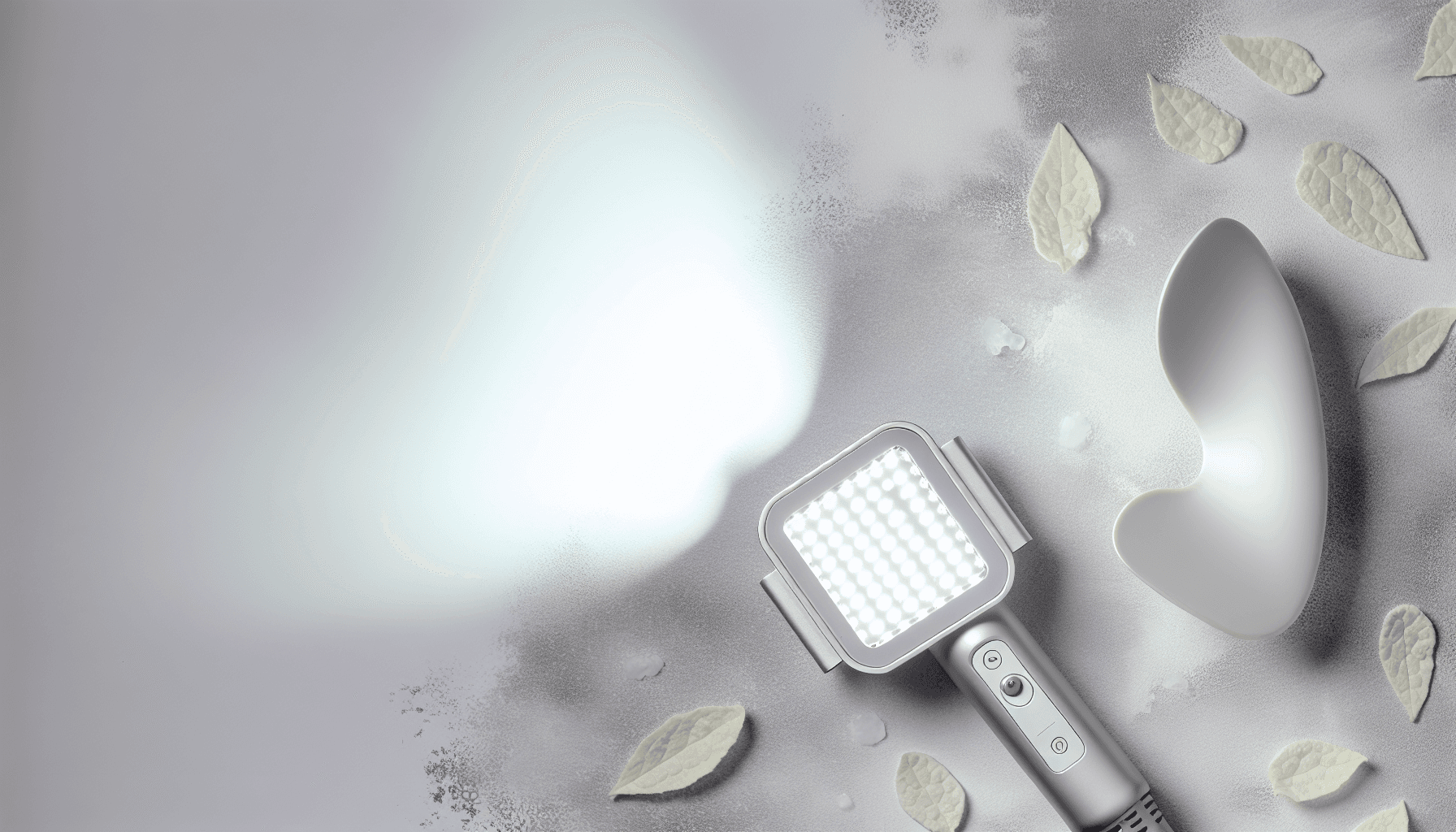
Exploring the Benefits of LED Light Therapy for Acne-Prone Skin
This article is educational and does not diagnose a condition or replace care from a qualified medical professional.
LED light therapy is gaining traction as a groundbreaking option for healthier skin. This non-invasive method uses light-emitting diodes (LEDs) to address various skin concerns. Initially developed by NASA for plant growth experiments and wound healing, its application in skincare has shown great promise in acne treatment and skin rejuvenation. By understanding how LED light therapy works, its benefits, and practical uses, one can appreciate why it's becoming a staple in skincare routines around the world.
LED light therapy offers a specialized form of treatment that targets skin issues through specific wavelengths of light. The key advantage is its ability to provide therapy without causing heat or UV damage to the skin. This process involves using different colors of light, primarily blue light and red light, to focus on different skin concerns.
- Blue light: Targets acne-causing bacteria, reducing acne outbreaks.
- Red light: Stimulates collagen production and aids in rejuvenating the skin.
Ultimately, the purpose of this blog post is to delve into the functionality and benefits of LED light therapy, exploring its uses as a non-invasive treatment for improved skin health. This journey through the world of light therapy will equip you with valuable insights on how this treatment can revolutionize your approach to skincare.
Understanding LED Light Therapy: Non-Invasive Treatments
LED light therapy is a unique treatment approach that harnesses non-thermal light to transform skincare. It does so through the application of specific wavelengths that can penetrate deeper into the skin to promote healing and rejuvenation. Importantly, this method does so without generating heat or exposing the skin to harmful ultraviolet (UV) rays.
Different wavelengths of light achieve various results:
- Blue Light Therapy (415 nm): This particular wavelength is effective against Cutibacterium acnes bacteria, which are commonly found in acne. Through the generation of free radicals, blue light effectively eliminates these bacteria, offering a powerful tool against acne.
- Red Light Therapy (633 nm): Known for its anti-inflammatory properties, red light penetrates deeper into the skin, promoting healing and boosting collagen production. This helps reduce signs of aging, alleviate skin inflammation, and improve overall skin health.
Combining blue and red light therapies can provide a comprehensive approach to skincare by tackling both acne and signs of aging, making LED light therapy a versatile choice for promoting healthy skin. The synergy between these two types of light results in superior outcomes for a variety of skin issues, creating powerful non-invasive treatments that appeal to many seeking a solution beyond traditional skincare methods.
LED Light Therapy for Acne Treatment
LED light therapy, especially with the use of blue and red lights, plays a significant role in the treatment of acne. Acne often arises from a combination of factors, including bacterial growth and inflammation. This two-pronged approach of using LED light therapy targets these core issues efficiently.
Blue Light Therapy directly targets the bacteria that contribute to acne breakouts. Cutibacterium acnes, responsible for many acne forms, are susceptible to blue light due to its ability to generate free radicals. These radicals disrupt the bacterial environment, effectively reducing the population of acne-causing bacteria on the skin’s surface.
On the other hand, Red Light Therapy addresses inflammation. Inflamed acne presents as cysts or pustules, characterized by redness and swelling. Red light therapy works on a deeper level to calm these symptoms by enhancing the skin's natural healing processes. By boosting collagen production, it not only reduces inflammation but also minimizes the appearance of acne scars.
When compared to traditional acne treatments like topical creams and antibiotics, LED light therapy offers considerable advantages. With minimal side effects and no reliance on pharmaceuticals, it provides a viable alternative for individuals whose skin is resistant to conventional treatment methods. Studies by healthcare institutions have demonstrated its effectiveness, with users experiencing significant reductions in acne lesions after consistent sessions.
LED light therapy can lead to up to 70% clearance of acne within 8 to 10 sessions, a remarkable result for non-pharmaceutical intervention. This makes it a promising solution for anyone struggling with acne who seeks a gentler, yet effective, alternative.
LED Light Therapy for Skin Rejuvenation
The quest for youthful and radiant skin often leads people to explore various treatments. LED light therapy stands out by offering a skincare solution that not only enhances beauty but is also scientifically proven to stimulate the skin’s rejuvenation process through the use of red LED light.
Red LED light is instrumental in aiding skin rejuvenation as it penetrates the skin surface penetrating to the level of fibroblasts – the cells responsible for collagen production. Enhanced collagen levels help improve skin elasticity, reducing the appearance of fine lines and wrinkles. This is particularly beneficial for those seeking a non-invasive route to maintain a youthful appearance.
The benefits of LED light therapy extend further to improving skin texture and providing a brighter, more even complexion. As red light therapy promotes enhanced healing, it gradually smoothens the skin, reducing visible pores and refining the overall skin surface.
Clinical findings have shown that red light therapy is particularly effective when combined with blue light, as the duo not only rejuvenates the skin but also helps maintain overall skin health. By treating both acne and signs of aging, the therapy offers a comprehensive skincare model that caters to multiple issues simultaneously, resulting in a brighter and more youthful complexion.
For anyone aiming to combat the early signs of aging while enhancing skin texture and appearance, incorporating LED light therapy into skincare routines can have transformative effects. Its evidence-backed benefits offer a powerful ally in the natural preservation of skin’s vitality.
Benefits of LED Light Therapy
The advantages of LED light therapy span a variety of skin issues, making it an appealing choice for many seeking healthier skin. It is particularly effective in treating a range of conditions, such as acne, rosacea, eczema, psoriasis, scars, and the inevitable signs of aging like fine lines and wrinkles. Additionally, LED light therapy fosters accelerated wound healing.
One of the most compelling reasons to consider LED light therapy is its safety profile. It is safe for all skin types and colors, as it does not result in UV exposure, involves minimal irritation, and does not require recovery time, unlike many other treatments. This non-invasive nature allows for its convenient use at home, through easy-to-operate devices like light masks or handheld panels.
Beyond treating specific skin conditions, LED light therapy significantly contributes to a healthier and brighter complexion overall. By reducing inflammation and enhancing cellular repair, it fosters an environment where the skin can recover and thrive naturally.
For individuals with sensitive skin or those struggling with dehydrated and dry skin, LED light therapy offers a gentle yet effective solution. It provides a non-irritating approach to manage skin concerns without further drying or sensitizing the delicate skin barrier.
Embracing LED light therapy as part of your skincare regime can lead to long-term improvements in skin health, offering both aesthetic enhancement and practical solutions for ongoing skincare challenges.
Comparing LED Light Therapy with Other Non-Invasive Treatments
LED light therapy stands in comparison with other non-invasive skincare treatments, such as chemical peels, microdermabrasion, and topical retinoids, each with its unique advantages and drawbacks. Understanding these comparisons can help you make a more informed choice for your skincare needs.
| Treatment | Pros | Cons | Why Choose LED? |
|---|---|---|---|
| LED Light Therapy | Manages acne and rejuvenates skin effectively, suitable for all skin types, easy at-home use, minimal side effects. | Requires regular use, best suited for mild to moderate acne. | Offers dual benefits without chemicals or downtime. |
| Chemical Peels | Smooths texture, helps with acne scars. | May irritate sensitive skin, involves downtime and redness, not aimed at bacterial treatment. | LED is gentler with no peeling, ideal for regular use. |
| Microdermabrasion | Effective for improving texture and scars. | Can be abrasive, leading to redness and swelling; needs professional treatment. | LED targets underlying causes like bacteria/inflammation without abrasiveness. |
| Topical Retinoids | Especially effective for acne and clogged pores. | Can cause irritation, dryness, and sensitivity to sunlight, with slow results. | LED can replace or complement with quicker, side-effect-free results. |
In contrast to these treatments, LED light therapy uniquely combines acne treatment with skin rejuvenation benefits. Its non-pharmaceutical approach and favorable safety profile make it a standout option for a broad range of skin concerns.
Conclusion: Embracing LED Light Therapy for Skincare
In summary, LED light therapy emerges as a reliable, non-invasive treatment option especially suited for acne treatment and skin rejuvenation. Its scientific backing and user testimonials validate its effectiveness in reducing acne lesions and promoting a healthier, more vibrant skin appearance.
By utilizing blue light to target acne bacteria and red light to reduce inflammation and stimulate collagen, LED therapy addresses core aspects of skincare. The overall benefits include clearer skin, youthful elasticity, and reduced signs of aging, clearly outperforming many traditional treatments that often involve higher risks or more discomfort.
Given its favorable advantages, including minimal risk and easy incorporation into skincare routines, LED light therapy continues to appeal to both dermatological professionals and at-home users. Its ability to cater to diverse skin types and conditions positions it as a formidable tool for achieving clear, radiant skin.
Encouraging the use of FDA-cleared LED devices, adopting LED light therapy offers a practical, powerful option for anyone looking to enhance their skincare regime. By focusing on internal cellular processes, it represents a nuanced, natural approach to achieving long-term skin health and beauty.
FAQ
What are the typical session durations for LED light therapy?
Typically, LED light therapy sessions last between 15 to 30 minutes. While some equipment is designed for daily use, others suggest treatments several times a week. It’s crucial to follow the manufacturer’s guidelines or consult with a skincare specialist to tailor the therapy to individual needs.
Can LED light therapy be used alongside other skincare treatments?
Yes, LED light therapy can be used in conjunction with other skincare treatments. It works well with topical treatments or other non-invasive procedures, as it does not interfere with them and may enhance their effects. However, it’s advisable to consult a dermatologist to avoid any adverse reactions.
Is LED light therapy safe for children or teenagers with acne?
LED light therapy is considered safe for children and teenagers, particularly those struggling with acne. However, it should only be used under adult supervision, with careful attention to instructions to ensure safety and effectiveness.
How long before visible results are seen from LED light therapy?
Visible results from LED light therapy can vary per individual and skin condition. Generally, improvements may start appearing after 4-6 weeks of consistent use. Results can include clearer skin, reduced acne, and improved texture and tone.
Are there any contraindications for LED light therapy?
While LED light therapy is safe for most people, those with light sensitivity, certain allergies, or particular medical conditions should consult a healthcare provider first. People who are on photosensitizing medication should also seek medical advice before starting LED treatments.