





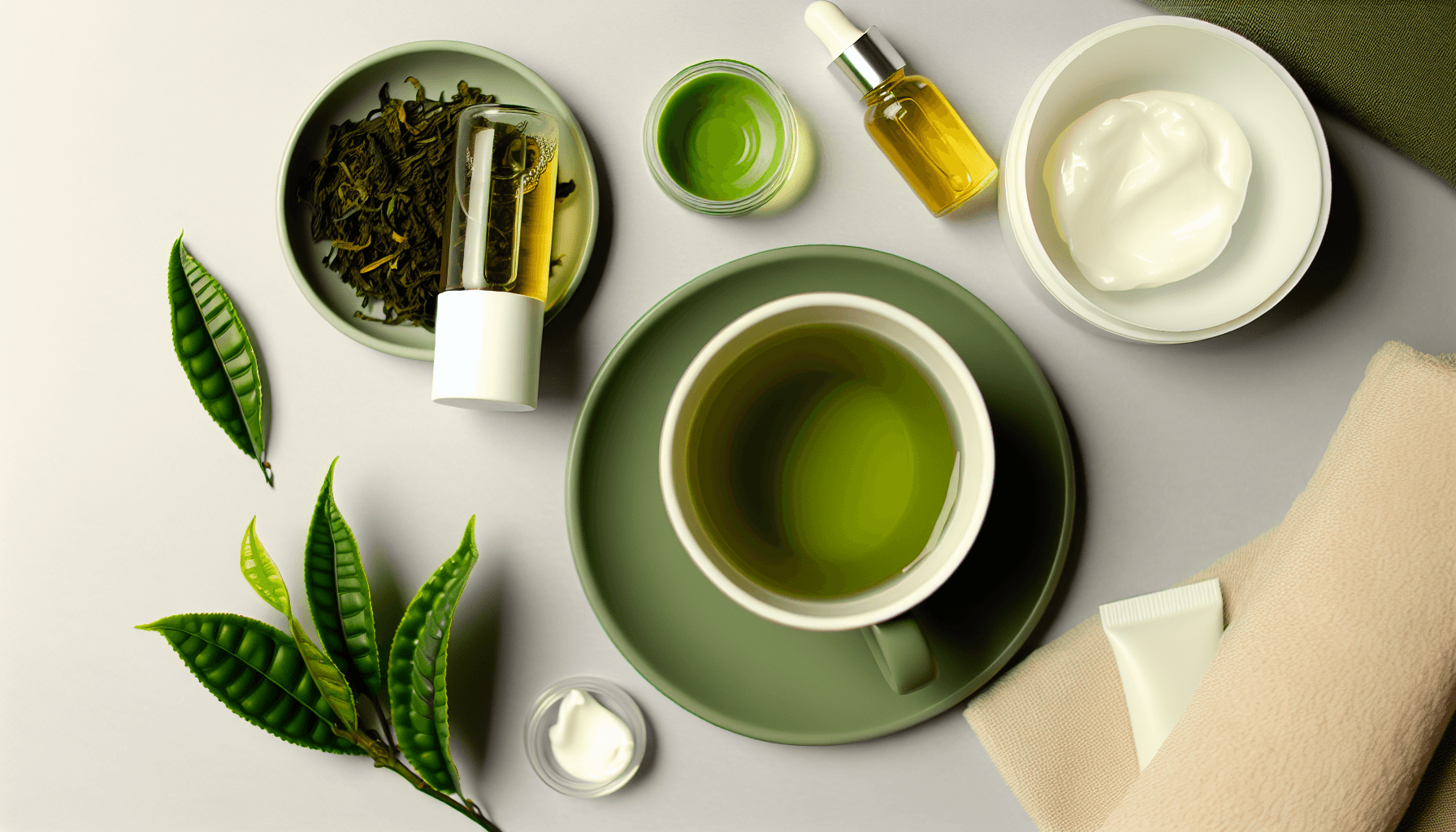
Exploring the Benefits of Green Tea for Acne-Prone Skin: A Natural Remedy
This article is educational and does not diagnose a condition or replace care from a qualified medical professional.
Green tea is a popular natural remedy known for its numerous health benefits, particularly for skin health. People have cherished it globally not only for its soothing qualities but also for its effectiveness in managing acne-prone skin. Key compounds like antioxidants and anti-inflammatory agents found in green tea, such as catechins like EGCG, play a vital role in skin health. In this blog post, we'll explore how these ingredients can help those with acne-prone skin. Let's dive into the rich world of green tea and see how it can be a natural solution to achieve clearer skin.
Understanding Green Tea
Green tea originates from the leaves of the Camellia sinensis plant. Unlike black tea, which undergoes a fermentation process, green tea is minimally processed by steaming or pan-firing the leaves. This method helps preserve its natural compounds, particularly the polyphenols, which are powerful antioxidants. The polyphenols, especially catechins with EGCG, are lauded for their anti-inflammatory and antimicrobial properties, making green tea significant for skin health.
- Antioxidants: These compounds help in neutralizing harmful free radicals, which can cause oxidative stress and damage skin cells. This reduces the ageing process and helps maintain healthy skin.
- Anti-inflammatory: The ability to reduce inflammation is crucial, especially for those suffering from acne. Green tea soothes irritated skin and may decrease redness and swelling associated with acne lesions.
Comparatively, black tea goes through a different process that may reduce some of these beneficial compounds. Green tea’s unique composition makes it more beneficial for those looking to improve their skin health naturally.
Green tea presents a natural, gentle option for those seeking to enhance their skincare routine. Its minimal processing ensures the retention of compounds that not only improve skin health but also offer numerous other health benefits. If you’re interested in incorporating a holistic approach to health, you might also explore our articles on the benefits of Vitamin D and how it plays a role in acne management.
Green Tea and Skin Health
The journey to healthier skin often begins with understanding how green tea supports skin health. Green tea is packed with antioxidants that play a crucial role in maintaining skin vitality. These antioxidants help defend the skin against oxidative stress by neutralizing free radicals that can damage skin cells and accelerate the aging process.
- Skin rejuvenation: By combatting free radicals, green tea helps in rejuvenating the skin, promoting a youthful, glowing complexion. This property is especially beneficial for people with acne-prone skin, as it works to soothe and repair skin damage over time.
- Protection from environmental factors: Antioxidants also shield the skin from environmental pollutants and damage from UV rays, helping reduce skin irritation and fostering resilience against external irritants.
The connection between these properties and acne management is pivotal. By calming skin irritation and enhancing resilience, green tea helps manage acne better. It reduces the severity of acne lesions and offers protection to prevent new ones from forming.
Scientific research supports these claims, showing that the antioxidants in green tea can significantly reduce oxidative stress, a contributing factor to acne. The neutralization of free radicals leads to a decrease in inflammation and irritation, which are chief contributors to acne flare-ups.
For more on shielding your skin from daily environmental challenges, see our tips on shielding sensitive skin and improving its resilience against stressors.
Acne-Prone Skin and Its Challenges
Acne-prone skin is identified by its tendency to develop acne, primarily due to excess sebum production, clogged pores, and the presence of bacteria such as P. acnes. Hormonal fluctuations, including elevated androgens, can further exacerbate this condition.
- Excess Sebum: The overproduction of oil leads to clogged pores, which can result in comedones, blackheads, and whiteheads.
- Clogged Pores: When pores become blocked by oil and dead skin cells, they create an ideal environment for bacteria to proliferate.
- Inflammation and Bacteria Growth: The multiplication of P. acnes bacteria can cause inflammation, resulting in red, pus-filled pimples, or cysts in severe cases.
This condition presents multifaceted challenges, including persistent inflammation and oxidative stress, which not only cause discomfort but also make the skin appear dull and fatigued.
Another layer of complexity is added by the hormonal fluctuations that drive excess sebum production. Conditions like elevated DHT (dihydrotestosterone) levels can trigger increased oil production and, consequently, acne outbreaks.
To address these challenges effectively, strategies that tackle both the symptoms and root causes are essential. Our guide on managing the psychological effects of acne might offer additional insights into how emotional resilience contributes to better skincare.
Anti-Inflammatory Properties of Green Tea
Green tea is renowned for its anti-inflammatory properties, thanks to its catechins, particularly EGCG. These compounds help in reducing inflammation related to acne by inhibiting specific pathways such as NF-κB, which are known for their role in inflammation.
- Reduction of acne lesions: The anti-inflammatory actions of green tea can calm existing lesions, reducing redness and swelling. This helps to not only manage the appearance of acne but also accelerates the healing process.
- Scientific studies: In a notable Korean study, participants who used a green tea extract showed a significant reduction in acne lesions. The study showcased how the anti-inflammatory and antimicrobial actions of green tea delivered substantial skin improvements over the trial period.
- Dual application: Green tea is effective in both topical and oral forms. Topical applications can directly soothe inflamed skin, while oral consumption can provide systemic benefits, potentially reducing overall skin inflammation.
The synergy between green tea’s anti-inflammatory and antioxidant effects makes it an exciting natural remedy for those dealing with acne. Investigation into its holistic benefits can also inspire integration of similar natural remedies, like those detailed in our post about rosacea management and calming sensitive skin.
Role of Antioxidants in Acne Management
Antioxidants play an integral role in managing acne, especially those found in green tea, such as EGCG. These antioxidants are potent in combating free radicals, reducing oxidative stress, and helping prevent acne outbreaks.
- Oxidative stress reduction: Free radicals contribute to oxidative stress, leading to skin inflammation and acne. By neutralizing these radicals, green tea's antioxidants help calm the skin and reduce the frequency of breakouts.
- Sebum regulation: Excess sebum production is a key factor in acne development. Studies show that EGCG can help regulate this process, decreasing oil production and promoting healthier skin.
- Impact on hormones: DHT, a hormone that can exacerbate acne, is affected by green tea’s antioxidants. By modulating DHT levels, green tea helps prevent excessive sebum production and diminishes acne outbreaks.
There's encouraging research showing how oral intake of green tea extract significantly decreased acne lesions over a period, supporting claims of its effectiveness in acne management.
Are you intrigued by learning more about how lifestyle choices impact acne? Discover the connections between quality sleep and healthy skin in our article about the link between sleep and acne.
Natural Remedies Using Green Tea
Green tea can be incorporated into daily skincare routines through various creative and straightforward methods, enhancing its natural remedies.
- Daily consumption: Drinking 2-3 cups of brewed green tea daily can deliver internal benefits. Its anti-inflammatory properties work internally to help manage hormone levels, contributing to healthier skin.
- Topical toner: Brew green tea and cool it. Use a cotton pad to apply it on cleansed skin, targeting acne-prone areas. This helps in reducing bacteria and calming irritation.
- Facial spritz: Prepare a green tea facial mist by cooling brewed tea. Use a spray bottle to mist it onto the skin, allowing it to dry naturally before rinsing.
- DIY face mask: Create a mask using green tea leaves mixed with natural ingredients like honey or aloe vera. Apply to the face to soothe and hydrate the skin.
- Innovative uses: Freeze green tea into ice cubes to use for reducing puffiness or prepare steam facials to open pores and cleanse deeply.
- Synergy with other ingredients: Green tea pairs well with honey, salicylic acid, or oatmeal for enhanced acne-fighting properties, combining exfoliation with soothing benefits.
Encouraged by creative skincare possibilities? Explore how natural ingredients complement each other in our article about age spots and hyperpigmentation treatment.
Other Benefits of Green Tea for Skin
Beyond acne, green tea benefits your skin in several other significant ways. It acts as a mild astringent, refining texture and offering protection against aging elements.
- Texture improvement: Its antioxidant protection hydrates the skin, improving its texture and making it more supple.
- Sebum regulation: Green tea can help balance sebum production, preventing overproduction of oil that may lead to clogged pores.
- Anti-aging benefits: Its rich antioxidant content provides a shield against premature aging, reducing fine lines and maintaining youthful skin appearance over time.
- Reduced puffiness: Green tea’s natural anti-inflammatory properties assist in reducing puffiness around the eyes and elsewhere on the face.
- Synergistic effects: When used alongside ingredients like salicylic acid, green tea enhances acne control through a combination of exfoliation and soothing.
- Soothing irritated skin: The calming properties are especially beneficial for those with sensitive or reactive skin, reducing redness and irritation.
These additional benefits underscore the versatility of green tea in skincare. To gain more insights into comprehensive skincare routines, check out our piece on dehydrated and dry skin solutions.
Potential Side Effects and Considerations
While green tea is generally safe for topical and oral use, there are a few considerations to be mindful of:
- Sensitivity: Some people with highly sensitive skin may experience irritation. It's essential to patch test new applications to ensure there's no adverse reaction.
- Caffeine content: Green tea contains caffeine, which can be an issue in excessive consumption. Limit intake to avoid jitteriness or potential sleep disturbances.
- Allergic reactions: Although rare, some may have allergic responses to green tea or its additives. Prioritize natural, additive-free products.
- Consultation for severe acne: For those with hormonal or severe acne, it's advisable to consult with a dermatologist to tailor treatments appropriately.
Green tea supports skin health as a complementary aid rather than a standalone solution. For more holistic skincare approaches, consider reading our guide on sensitive skin care, offering gentle solutions for maintaining healthy skin.
Conclusion
Green tea emerges as a remarkable natural remedy in managing acne-prone skin through its antioxidant, anti-inflammatory, sebum-regulating, and antimicrobial properties. By gently integrating green tea into skincare routines, individuals can experience the benefits of clearer, healthier skin. However, it's important to remember that while green tea offers significant advantages, it should complement professional acne therapies and not replace them entirely.
Try experimenting with green tea in your skincare routine and consult with healthcare providers for personalized advice. Explore our other posts on acne treatment and early signs of aging prevention for a broader perspective on maintaining skin vitality.
Call to Action
We invite you to share your experiences with green tea and skin health in the comments below. Have you tried using green tea for your acne-prone skin? We would love to hear your thoughts and any innovative uses you may have discovered.
For insights into improving your skin’s resilience and exploring natural remedies, delve into our blog posts on topics like blackheads and whiteheads removal and post-acne and discoloration treatment. The journey to healthier skin is continuous, and we’re here to support it with the power of green tea and beyond.
FAQ
1. How does green tea help with excess sebum production?
Green tea contains epigallocatechin gallate (EGCG), which can help regulate sebum production. By modulating lipid levels, EGCG reduces excessive oiliness, preventing clogged pores and acne breakouts.
2. Can green tea be used on all skin types?
Yes, green tea is gentle enough for most skin types, including sensitive skin. However, a patch test is recommended to ensure there's no irritation, especially if you have sensitive skin.
3. How can green tea boost skin hydration?
Green tea's antioxidants and anti-inflammatory properties help protect the skin barrier and retain moisture, improving hydration levels and leaving skin supple and smooth.
4. Does green tea interact with other topical acne treatments?
Green tea can generally be used alongside other treatments. Its soothing properties may complement ingredients like salicylic acid. However, consult a dermatologist when combining treatments, especially if using prescription medication.
5. What should someone do if they experience irritation from green tea?
If irritation occurs, stop using the product immediately. Rinse the affected area with water to remove any residual green tea. You may also consider consulting a healthcare professional if the irritation persists.