






Skin Tightening Treatments Explained: Options, Costs, and Results
This article is educational and does not diagnose a condition or replace care from a qualified medical professional.
What Is Skin Tightening Treatment: An Honest Guide to Procedures, Costs, and Whether You Actually Need One

You've noticed your jawline isn't as defined as it was. The skin under your eyes folds differently when you smile. You've scrolled through ads promising "instant lift" — radiofrequency, HIFU, microneedling, thread lifts — each with different prices, different recovery times, and confident before/after photos. None of them tell you the part you actually need to know: which treatments work for your skin, and which ones you may not need at all.
So the question — what is skin tightening treatment, really — deserves a longer answer than any clinic landing page will give you. This article does three things. It defines what tightening biologically means versus what marketing claims. It compares every major modality against honest criteria — cost, recovery, longevity, candidacy. And it helps you decide whether you're ready for a procedure or whether a preventative topical strategy is the smarter first step.
Dr. Maria's clinical perspective shapes the framing here: most patients who ask about skin tightening haven't first optimized the foundation. That's not a sales angle. It's a clinical observation that respects your time and your money enough to clarify both paths before you commit to either.
Table of Contents
- What "Tightening" Actually Means: Collagen Remodeling vs. Marketing Theater
- Invasive vs. Non-Invasive Skin Tightening: A Side-by-Side Comparison
- How Each Non-Invasive Modality Works
- The True Cost of Skin Tightening: Why the Cheapest Treatment Often Costs the Most
- The Prevention-First Strategy: Why Most People Don't Need Invasive Tightening Yet
- Matching the Right Treatment to Your Skin: A Decision Matrix
- Before You Book: 10 Questions to Ask Your Provider and 5 Red Flags
What "Tightening" Actually Means: Collagen Remodeling vs. Marketing Theater
The word "tightening" hides three completely different mechanisms, and most marketing collapses them on purpose. Before you spend money on anything — a $40 mask, a $400 microneedling session, or a $4,000 HIFU treatment — you need to know which one you're actually buying.
Mechanism one: temporary swelling and inflammation. When you use an aggressive topical, exfoliate harder than usual, or sit through a microneedling pass, your skin responds with mild edema. Tissue fluid shifts. The surface looks plumper, smoother, more taut — for 24 to 72 hours. This is what most at-home "tightening masks" exploit, and what every viral "instant lift" video captures. It is not structural change. It is a controlled minor injury that your skin will resolve within three days, leaving you exactly where you started.
Mechanism two: muscle contraction and surface tension effects. Certain ingredients — egg white, specific peptides marketed as "neuropeptides," DMAE — create a temporary surface-tightening sensation. The film tightens. The skin underneath does not. Effects last hours, not weeks. This is camouflage, not biology.
Mechanism three: collagen remodeling. This is the only mechanism that creates lasting change. Dermal collagen fibers, when controllably injured by heat (radiofrequency), focused ultrasound (HIFU), or micro-trauma (needling), trigger fibroblasts to produce new Type I and Type III collagen over the following 8 to 12 weeks. The peer-reviewed mechanism is described as "initial collagen contraction and destruction through both mechanical and biochemical pathways," according to a review in the Journal of Clinical & Aesthetic Dermatology (2010). This is the actual biological tightening that every credible procedure aims for.
This separation matters because it explains why "tightening serum" results feel real but disappear. A well-formulated hydrating serum plumps fine lines by drawing water into the upper skin layers. The barrier briefly looks smoother. Photos in good lighting flatter the result. None of this is collagen change, and 48 hours later, your skin returns to baseline.
So the working definition this article will use from this point forward: skin tightening treatment is any procedure or topical regimen that triggers measurable collagen remodeling and/or prevents collagen degradation. Everything else is cosmetic camouflage — sometimes useful for an event, never useful as a strategy.
A note on collagen decline that connects to other concerns: the same UV exposure that breaks down collagen also drives the discoloration patients often seek to address separately through age spots and hyperpigmentation treatment. The pathway is shared. Matrix metalloproteinases — enzymes activated by UV — degrade collagen and destabilize melanin distribution at the same time. Treating one concern without addressing the other source is treating a symptom while the cause continues.
Set expectations early and honestly: even the best non-invasive procedure returns the skin to a tighter version of its current state. It will not return you to twenty. The same JCAD review concludes that "we must continue to refine our techniques and choose appropriate patients with realistic expectations for optimal results." That sentence does most of the work that this article is trying to do — patient selection and managed expectation drive outcome more than device choice does.
Tightening is not one mechanism — it is a spectrum from temporary swelling to permanent collagen remodeling, and marketing collapses all of them into a single word.
Invasive vs. Non-Invasive Skin Tightening: A Side-by-Side Comparison
Most readers don't know whether they need a procedure at all, let alone an invasive one. The first sorting question isn't "which device" — it's "what level of intervention does your skin actually require?" The American Academy of Dermatology frames it cleanly: surgical options give "the most dramatic results, but you'll find plenty of other skin-tightening options" with "less downtime and lower cost." Lower cost per session, however, is not the same as lower lifetime cost — which the next section will quantify.
| Treatment | Type | Typical Downtime | Result Longevity | Best Candidate |
|---|---|---|---|---|
| Surgical Facelift | Invasive | 2–4 weeks | 5–10 years | Severe laxity, ready for surgery |
| Thread Lift | Minimally Invasive | 3–7 days | 12–18 months | Moderate laxity, wants visible lift |
| Radiofrequency (RF) | Non-Invasive | Minimal | 18–24 months (with maintenance) | Mild–moderate laxity, lower pain tolerance |
| Microfocused Ultrasound (HIFU) | Non-Invasive | Minimal–2 days | 12–18 months | Moderate laxity, jawline and brow focus |
| Microneedling | Non-Invasive | 3–7 days | 6–12 months per series | Mild laxity, sensitive skin tolerated |
| Non-Ablative Laser | Non-Invasive | 1–3 days | Varies | Fine lines + texture + mild laxity |
The table reveals one truth that marketing rarely admits: every non-invasive option is a maintenance commitment, not a one-time fix. A facelift, despite being the most aggressive and the most expensive single procedure, is also the most durable. Patients comparing a $4,000 HIFU session to a $12,000 facelift often miss that the HIFU result requires retreatment within 12 to 18 months — meaning over a five-year horizon, the calculus changes considerably.
The candidate column matters more than the price column. Microfocused ultrasound penetrates deeper than radiofrequency and is better suited to defined-area lift — jawline, brow, submental fullness. RF spreads heat more broadly and gentler, which suits patients with diffuse mild laxity or lower pain tolerance. Microneedling is the safest entry point for reactive or sensitive skin because it doesn't depend on energy delivery that can flare rosacea or trigger post-inflammatory hyperpigmentation in darker skin types — a concern better addressed through dedicated post-acne and discoloration treatment protocols if it has already occurred. The right modality is the one matched to your skin, not the one with the best regional advertising.
One honest caveat on the evidence base behind these comparisons: the same JCAD review notes that "clinical research studies, although small in most cases, have supported their usefulness." Long-term comparative trials between modalities — the kind that would let us say definitively that HIFU outperforms RF on the jawline at 24 months — remain limited. What practitioners use are pattern recognition, device-specific manufacturer data, and accumulated outcome observation. When you read confident claims about the "best non-invasive skin tightening" device, treat them with the skepticism the evidence base earns.
How Each Non-Invasive Modality Works: RF, HIFU, Microneedling, and Laser Compared
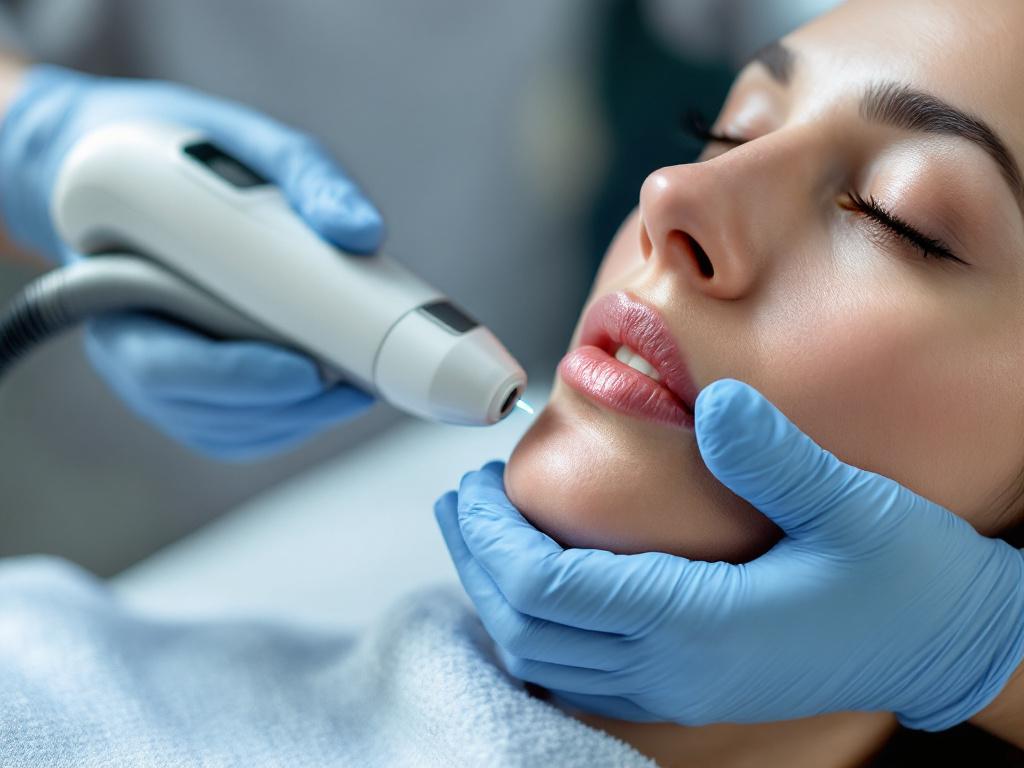
The differences between modalities aren't marketing categories — they're different physics applied to different tissue depths. Understanding the mechanism explains the timeline, the session count, and why one option fits a profile that another doesn't.
- Radiofrequency (RF) skin tightening. RF devices deliver controlled electromagnetic heating to the dermis, targeting tissue temperatures around 40–45°C. The heat causes immediate collagen contraction at the moment of treatment and, more importantly, triggers fibroblast-driven remodeling over the following 8 to 12 weeks. A standard protocol runs 3 to 6 sessions spaced 2 to 4 weeks apart, with maintenance every 18 to 24 months. RF suits mild-to-moderate laxity, lower pain tolerance, and patients who want gradual rather than dramatic change. Microfocused RF specifically has shown sustained satisfaction in the literature, with one review citing greater than 95% patient satisfaction across roughly two decades of clinical use, according to a review in OAE Publishing. Honest limitation: results are gradual; patients expecting next-day change will be disappointed and may abandon the protocol before the collagen response has occurred.
- Microfocused ultrasound (HIFU). Targeted ultrasound waves create thermal coagulation points at precise, pre-set depths — typically 1.5mm, 3.0mm, and 4.5mm — bypassing the epidermis to stimulate collagen at deep dermal and SMAS levels. A single session typically produces visible results at 8 to 12 weeks, with durability of 12 to 18 months. HIFU performs best on defined-area lift: jawline, brow, submental area. Limitation: deeper passes can be sharply uncomfortable, and a 2021 pan-Asian consensus published in the Journal of Clinical & Aesthetic Dermatology notes that outcomes vary by ethnicity and skin thickness — generalized protocols don't translate cleanly across populations.
- Microneedling / collagen induction therapy. Fine needles, typically 0.5–2.5mm in depth, create controlled micro-injuries that trigger an inflammatory healing cascade and new collagen synthesis. The standard protocol is 4 to 6 sessions spaced about 4 weeks apart. Microneedling is the most forgiving entry point: it works for mild laxity, improves post-acne and discoloration texture meaningfully, and is generally tolerated by patients with reactive or sensitive skin who can't use energy-based devices. A PMC clinical review supports its role in collagen induction, and it overlaps usefully with skin texture improvement goals in patients whose primary concern is roughness rather than laxity. Honest limitation: it is not a true "lift." It improves texture and produces modest firmness gains; it will not address significant sagging.
- Non-ablative laser tightening. Wavelengths around 1064nm, 1320nm, or 1540nm deliver heat into the dermis without breaking the epidermal barrier. The result is collagen remodeling alongside improvement in tone and fine lines. A standard course runs 3 to 5 sessions. Non-ablative laser fits patients who want firmness plus pigment or fine-line correction in one modality. Limitation: less effective on significant laxity than HIFU; better deployed as a combination tool alongside another modality than as a standalone lifting solution.
- Ablative laser resurfacing. CO2 and Er:YAG lasers remove the epidermis to trigger deeper dermal remodeling. This is the most aggressive non-invasive option, with 1 to 2 weeks of social downtime and visible peeling. It suits moderate laxity combined with significant photodamage. Honest limitation: not appropriate for darker skin types (Fitzpatrick IV–VI) because the post-inflammatory hyperpigmentation risk is substantial and well-documented.
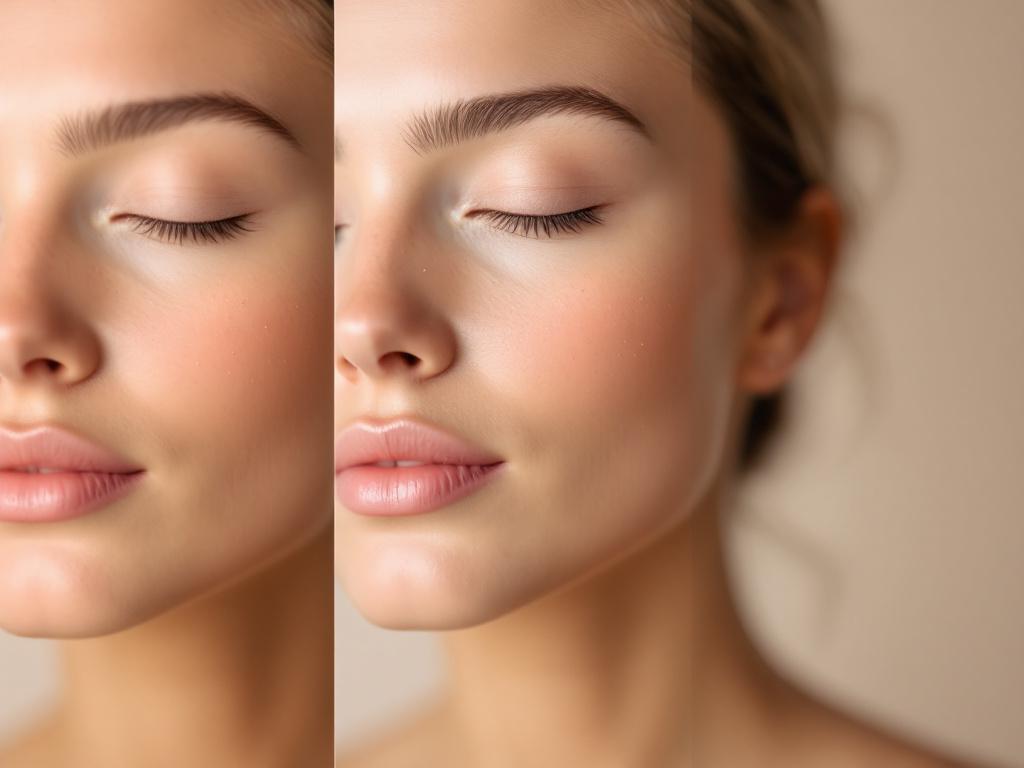
A practical note on selection: the modality should match both your skin and your tolerance for downtime. If you cannot take three days of visible redness for microneedling, do not book microneedling. If you cannot accept that HIFU's deeper passes feel like sharp internal pinpricks, do not book HIFU. Providers who minimize discomfort and downtime during consultation are setting you up to feel betrayed by an honest physiological response. For patients managing rosacea or other reactive skin conditions, the energy-based options carry real flare risk — sensitive skin care planning should precede any procedural conversation, not follow it.
The True Cost of Skin Tightening: Why the Cheapest Treatment Often Costs the Most
The wrong question is "how much per session?" The right question is "how much over three years?" Reframing cost this way changes the answer for almost every patient.
Pricing varies meaningfully by region, clinic prestige, and device generation, so what follows are ranges rather than fixed numbers — and you should verify locally. The American Academy of Dermatology notes that non-invasive options offer "less downtime and lower cost," but lower per-session price does not equal lower lifetime cost.
Run the three-year math:
- HIFU: roughly $2,500–$4,500 per full-face session; retreatment every 12–18 months. Three-year total: about $5,000–$13,500.
- Radiofrequency: roughly $300–$800 per session; 4–6 sessions per initial series; maintenance every 18–24 months. Three-year total: about $2,400–$6,400.
- Microneedling: roughly $200–$700 per session; 4–6 sessions per series; maintenance every 6–12 months. Three-year total: about $2,000–$6,300.
- Surgical facelift: roughly $8,000–$25,000 one-time; durability 5–10 years. Three-year amortized cost: about $2,400–$8,300.
- Topical-first regimen (medical-grade retinoid, peptide moisturizer, vitamin C, broad-spectrum SPF): roughly $30–$120 per month. Three-year total: about $1,080–$4,320 — and that spend does foundational work that makes any future procedural intervention more effective.
Three observations from those ranges. First, the gap between the cheapest procedural option and the most expensive is smaller than patients assume once maintenance is factored in. Second, the amortized cost of a facelift over five to ten years can fall below the cumulative three-year cost of repeated HIFU — which is why surgical options remain in the conversation for patients with significant laxity, not despite the upfront price but because of the durability per dollar. Third, the topical-first scenario is the only line item that compounds rather than depreciates. Money spent on SPF and retinoids three years ago is still working today; money spent on HIFU three years ago has long since faded.
Then there is the hidden cost: recovery. Ablative laser asks for 1 to 2 weeks of social downtime. Microneedling produces 3 to 7 days of visible redness and flaking. HIFU and RF are minimal — most patients return to work the same day. For working adults, recovery time is unbilled but real cost. A week of camera-off meetings, skipped social events, or visible flaking during a client presentation is a cost that should sit in the calculation, not outside it.
Close on a longevity honesty check: "permanent" results do not exist in non-invasive tightening. Even a surgical facelift continues to age from the day it's performed — the procedure resets the clock; it does not stop it. The most cost-efficient long-term strategy is rarely the most expensive procedure. It is the right sequence of preventative care followed by targeted procedural intervention at the right moment, not the earliest one.
The cheapest treatment option often demands the most expensive maintenance. True cost is what you will spend over three years, not what you will pay today.
The Prevention-First Strategy: Why Most People Don't Need Invasive Tightening Yet
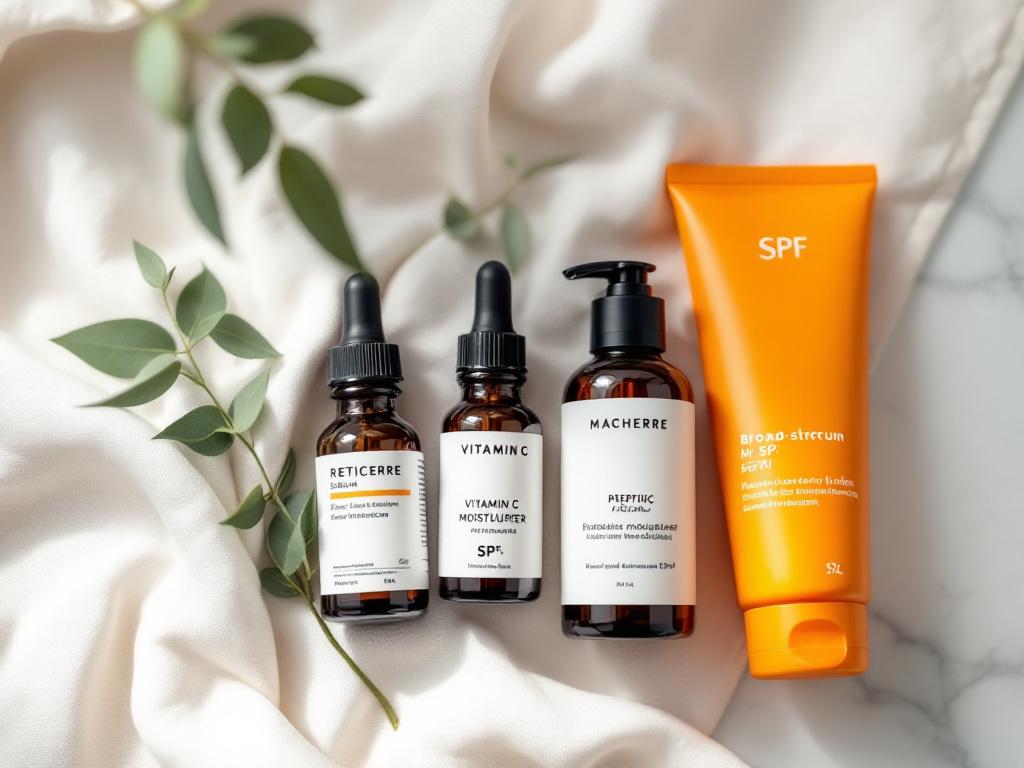
Collagen production peaks in the early twenties and declines roughly 1% per year from the mid-twenties onward. UV exposure accelerates that decline more than any other single factor — more than smoking, more than diet, more than sleep. The goal of a prevention-first strategy isn't to replace procedures. It's to delay the need for them and amplify the results when you choose them. A patient with optimized barrier function and active collagen synthesis responds more predictably to every modality discussed in this article than one whose skin has been neglected.
Four pillars carry the foundation.
Daily SPF — the single highest-impact intervention. Broad-spectrum SPF 30+ applied every morning prevents UV-driven collagen breakdown and matrix metalloproteinase activation. Without this foundation, every other treatment is fighting a daily losing battle. There is no skincare ingredient, procedure, or supplement that produces a better return on consistent use than sunscreen. If you do nothing else from this article, do this.
Topical retinoids. Prescription tretinoin and over-the-counter retinol and retinaldehyde upregulate collagen synthesis and accelerate cell turnover. Visible firmness and texture change typically appears at 12 to 24 weeks of consistent use. This is the slowest-moving high-impact intervention available, which is why most patients abandon it before it works. Build tolerance gradually — twice a week, then alternating nights, then nightly — and pair with a strong moisturizer to manage the predictable retinization phase.
Peptides and vitamin C. Signal peptides such as Matrixyl and copper peptides cue fibroblasts to produce collagen. L-ascorbic acid (vitamin C) is a required co-factor in collagen cross-linking — the body cannot complete the synthesis pathway without it. A standard combined protocol: vitamin C plus SPF in the morning, retinoid plus peptide moisturizer in the evening. Hydrated, intact barrier function is the prerequisite for either side of this rhythm — dehydrated and dry skin solutions should be addressed before stacking active ingredients on top of a compromised barrier.
Nutrition, sleep, and hydration. Adequate protein intake supplies the amino acids that collagen is built from — glycine, proline, lysine. Chronic sleep deprivation elevates cortisol, which actively degrades collagen and slows repair. Dehydration reduces skin elasticity within 48 hours, visibly. These are not soft suggestions. They are the upstream conditions that determine whether the topicals and procedures you spend money on can do their work.
State the honest scope: topicals will not replace a facelift. They will not lift a severely lax jawline. What they can do is slow the visible aging timeline meaningfully, produce measurable improvement in firmness perception and texture, and make professional treatments work better when you choose them. The phrase "natural skin tightening" gets overused, but in the narrow sense of "supporting the skin's own collagen biology rather than overriding it," that's what a prevention-first protocol delivers.
This is also where individualization matters more than any single product recommendation. Patients with active rosacea cannot tolerate the same retinoid concentration as patients with thicker, less reactive skin. Patients with melasma or post-inflammatory hyperpigmentation need vitamin C protocols sequenced differently. Patients in their early thirties addressing early signs of aging require a different intensity than patients in their late forties trying to slow visible change. The right topical strategy is individualized, not standardized — which is what a personalized consultation actually delivers, beyond a product list.
Position this honestly: a prevention-first strategy is not a delay tactic to avoid procedures. It is the foundation that determines whether a procedure, when you choose one, returns the result you paid for. Skin firmness without surgery is achievable for many patients in their thirties and early forties; significant laxity in later decades typically requires procedural support layered on top of — not instead of — that foundation.
Matching the Right Treatment to Your Skin: A Decision Matrix
The previous sections gave you the map. This section helps you locate yourself on it. The 2021 pan-Asian consensus published in the Journal of Clinical & Aesthetic Dermatology makes a point worth carrying into any decision: outcomes vary meaningfully by skin type, thickness, and ethnicity. A general recommendation can point you toward a category — only an individualized assessment can confirm fit.
| Patient Profile | RF | HIFU | Microneedling | Topical-First |
|---|---|---|---|---|
| Mild laxity, sensitive skin | Good fit | Caution | Best fit | Best fit |
| Mild laxity, normal skin | Good fit | Possible | Good fit | Best fit (first) |
| Moderate laxity, jawline focus | Possible | Best fit | Limited | Adjunct only |
| Moderate laxity, full face | Best fit | Best fit | Adjunct | Adjunct only |
| Darker skin (Fitzpatrick IV–VI) | Good fit | Good fit | Best fit | Best fit |
| Active rosacea / reactive skin | Caution | Caution | Caution | Best fit |
| Budget under $2,000/year | Limited | Avoid | Best fit | Best fit |
The matrix narrows your options. It does not replace a clinical assessment, because skin thickness, medical history, current medications (especially retinoids and anticoagulants), and personal goals reshape every recommendation. Three reader archetypes will illustrate how to read the grid.
The cautious early-intervention reader — early thirties, mild laxity, sensitive skin. The matrix points clearly to topical-first as the primary path, with a light microneedling series as optional support. RF and HIFU are premature investments here; the laxity isn't severe enough to justify the spend, and the collagen baseline isn't depleted enough to need procedural intervention. The smartest move: optimize the daily skincare protocol over 12 to 18 months, reassess, and let the trajectory of the skin inform whether procedural escalation is warranted.
The jawline-focused reader — mid-forties, moderate localized laxity, defined concern. HIFU is the matrix's clearest fit. RF is a reasonable lower-cost alternative for patients who prefer gradual change or have lower pain tolerance. Microneedling alone won't deliver the targeted lift this profile is seeking — it will improve texture but will not address the structural laxity. A combined approach (HIFU primary, topical foundation, microneedling for surface texture) often outperforms any single modality.
The reactive-skin reader — any age, rosacea or chronic sensitivity flares. Almost every energy-based modality introduces real risk for this profile: triggered flushing, post-treatment flares, prolonged erythema. Topical-first isn't a compromise here. It's the medically correct path. Rosacea management and skin tightening goals overlap more than most patients realize — calming the underlying inflammation often delivers a perceived firmness improvement on its own, because chronic inflammation degrades collagen continuously. A personalized consultation matters more for this profile than for any other in the matrix.
The "best non-invasive skin tightening" decision is not a universal answer. It is a function of laxity severity, skin reactivity, ethnicity, budget horizon, and tolerance for downtime. The matrix narrows; the consultation confirms. Skin tightening for sensitive skin in particular should never be selected from a brochure — the consequences of the wrong modality on reactive skin can take months to resolve.
Before You Book: 10 Questions to Ask Your Provider and 5 Red Flags to Walk Away From
You have the framework, the comparison, the cost reality, and a decision matrix. The last protective layer is the consultation itself — and the consultation is where good outcomes and bad outcomes diverge. The questions below separate competent providers from marketing-driven clinics. As Michael H. Gold, MD notes in the Journal of Clinical & Aesthetic Dermatology, treatments may be delegated to nurses or medical professionals only "in states that allow this," meaning credentialing and oversight vary significantly by jurisdiction. The provider's answers tell you which side of that variance you're entering.
The 10 questions to ask every provider:
- What is your medical credential, and who supervises non-physician staff in this clinic? Verifies regulatory oversight and clarifies who is actually performing your treatment.
- How many of these exact treatments have you personally performed in the last 12 months? Volume correlates with competence. A device is only as good as the hands operating it.
- Can I see before/after photos of patients with my skin tone and concern — not just your best results? This filters cherry-picked marketing. The answer reveals whether the provider has experience with skin like yours.
- What is the realistic timeline for visible results, and what does "realistic" mean in your protocol — weeks or months? Sets expectation correctly. Most non-invasive results emerge over 8 to 12 weeks, not overnight.
- How many sessions will I actually need, and what is the maintenance schedule afterward? Exposes the hidden lifetime cost that single-session pricing obscures.
- What are the most common side effects, and what is the rate of unsatisfactory outcomes in your practice? Tests honesty. Every credible procedure has both. A provider who can't articulate either has not been adequately trained.
- What happens if I am not happy with the results — is there a touch-up policy, refund, or alternative plan? Clarifies recourse before you have a problem, not after.
- What device do you use, and how does it differ from competing devices? Tests technical knowledge versus brand loyalty. A provider who only knows one device may not be selecting it because it's right for you.
- Are there any reasons you would recommend I not pursue this treatment, given my skin type and medical history? A provider who never says no is a salesperson. A provider who can articulate when you're not a candidate is a clinician.
- What should I do in the 4 to 6 weeks before treatment to optimize my outcome? Real providers prescribe a pre-treatment protocol — barrier support, retinoid pause, sun avoidance, hydration. Providers who say "nothing, just show up" haven't thought about your outcome.
A provider who cannot tell you why you might not be a candidate is not a clinician — they are a salesperson with a device.
The 5 red flags to walk away from:
- Pressure to book the same day, especially with "today-only" pricing. Legitimate medical providers do not run flash sales on collagen remodeling. Urgency is a sales tactic, not a clinical recommendation.
- Promises of "permanent" results from non-invasive treatments. No non-invasive modality is permanent. The biology does not support the claim. Anyone making it is either uninformed or dishonest, and neither is the person you want operating a device on your face.
- Refusal to discuss limitations, downtime, or unsatisfactory-outcome rates. Every credible procedure has a downside. A provider who can't or won't articulate theirs has either not been trained adequately or has been trained to sell rather than to inform.
- Only showing best-case before/after photos with no representative range. Ask explicitly for average results, not the top quartile. The gap between marketing photography and median outcome is where patient disappointment lives.
- Inability to explain the device's mechanism in plain language. If the provider cannot tell you what depth of tissue they're targeting, what energy they're delivering, and what tissue response they're triggering, they are operating equipment they do not fully understand. The mechanism should be explainable in two sentences by anyone competent to operate the device.
A remote consultation — with a credentialed clinician who can review your photos, your history, and your goals before you walk into a procedural clinic — is one of the highest-leverage decisions a patient can make. It costs a fraction of any procedure and clarifies whether the procedure is necessary at all. That clarification, when it points toward an optimized topical foundation and a delayed procedural timeline, has saved patients thousands of dollars and years of unnecessary treatments. When it points toward a procedure, it ensures you enter that procedure with optimized skin, informed expectations, and the right questions ready for the in-person provider.
The goal is not to avoid treatment. The goal is to enter treatment from a position of knowledge rather than urgency — and to know, before you book, whether the foundation has been built to make that treatment worth what you are about to pay for it.