






How to Safely Use Skin Bleach for Dark Spots on Your Face
This article is educational and does not diagnose a condition or replace care from a qualified medical professional.
Table of Contents
Persistent dark spots have a way of surviving every drugstore cream you've thrown at them. You've probably typed some version of "skin bleach for dark spots on face" into a search bar more than once, and the results have been a mix of miracle claims, conflicting advice, and products you're not sure you should trust to your skin. The phrase itself is part of the problem. "Skin bleach" is the search term people use, but it's a misleading one — modern dermatology uses skin bleach for dark spots on face concerns to mean a class of topical agents that inhibit melanin synthesis, not chemical bleaching like the kind under your sink. This guide will give you three things: what actually works on facial hyperpigmentation, what's safe to buy without a prescription, and when topicals are the wrong move entirely.
Table of Contents
- What "Skin Bleach" Actually Does to Dark Spots on Your Face
- Prescription vs. OTC Skin-Bleaching Ingredients — What You Can Actually Buy
- The Non-Negotiable Safety Rules Before You Apply Anything
- Why Skin Tone and Spot Type Predict Your Results
- Safer Alternatives That Often Outperform Skin-Bleaching Creams
- Red Flags That Mean a Product Is Fake, Contaminated, or Dangerous
- Frequently Asked Questions Buyers Ask Before Their First Purchase
- Your Pre-Purchase Checklist and 12-Week Treatment Brief
What "Skin Bleach" Actually Does to Dark Spots on Your Face
Start with the term itself. "Skin bleach" is a colloquialism, not a clinical category. The accurate label is depigmenting agents or skin-lightening agents, and they share a common mechanism: they suppress tyrosinase, the enzyme that converts the amino acid tyrosine into melanin. Block tyrosinase, and the melanocytes in your skin produce less new pigment. According to dermatology clinic Sanova Dermatology, this tyrosinase-inhibition pathway is the shared mechanism across nearly every legitimate lightening agent on the market, regardless of whether it's prescription or botanical.
That mechanism matters because it shapes the four ingredient classes you'll encounter when shopping.
Hydroquinone is the most studied depigmenting agent and what most dermatologists still consider the reference standard. In the United States, hydroquinone is now prescription-only — the FDA's enforcement of the CARES Act removed over-the-counter hydroquinone from legal sale, according to GoodRx, a consumer pharmacy resource. Prescription strength is typically 4%, with compounded formulas reaching 6–10% under physician supervision.
Azelaic acid sits at 15–20% concentration (the 20% formula is prescription; OTC formulas top out around 10–15%). It inhibits tyrosinase and adds an anti-inflammatory effect, which makes it especially useful for melasma and post-inflammatory hyperpigmentation, per Sanova Dermatology.
Tranexamic acid is the newer entrant, used at 2–5% topically. It's gained traction specifically for melasma, according to telehealth dermatology service DermOnDemand, and is increasingly stacked alongside other agents rather than used solo.
Botanical inhibitors — kojic acid, licorice root extract, arbutin, and vitamin C — are the gentlest tier. They work, but more slowly and with smaller effect sizes. They're also where most "natural" OTC formulas are concentrated.
Skin bleach doesn't lift pigment off your face — it slows the factory that makes new pigment, while old melanin cycles out over months.
Here's where the "bleach" mental model breaks down. These products do not strip existing pigment off your skin. The melanin already deposited in a dark spot fades only as your skin cells naturally turn over — roughly 28–40 days per cycle, and you need multiple cycles before visible change shows up in the mirror. The product slows new pigment from forming while the old pigment cycles out from underneath. That's why a realistic timeline for visible fade is 8–16 weeks, not days. Anyone promising you faster has either overpromised or sold you something that contains an undisclosed steroid or mercury compound.
One more layer before you can shop intelligently: not all dark spots are the same lesion, and the type predicts how well any cream will work.
- Solar lentigines (sun spots) are surface-deposited pigment from cumulative UV exposure. They respond fastest to topical treatment.
- Melasma is hormonally driven (pregnancy, oral contraceptives, thyroid changes), often sits deeper in the skin, and is famously prone to rebound darkening when treatment stops abruptly.
- Post-inflammatory hyperpigmentation (PIH) — the brown marks left after acne, eczema, or any inflammatory event — often fades on its own with time and daily sunscreen, according to Foothill Dermatology, a clinical practice. If your spots appeared after a recent breakout, the smarter first move may be treating the acne, not bleaching the marks.
You'll see those three spot types referenced again later, because matching your spot type to your ingredient is the difference between a 12-week win and a 12-week wash.
Prescription vs. OTC Skin-Bleaching Ingredients — What You Can Actually Buy
For years, hydroquinone was the most common OTC dark-spot ingredient on U.S. shelves. The FDA's enforcement action under the CARES Act changed that — OTC hydroquinone is now restricted from legal sale in the United States, making it a prescription-only ingredient (per GoodRx). That regulatory shift reshaped the OTC aisle and pushed brands toward azelaic acid, tranexamic acid, and the botanical lightening complex. It also means the question "do I need a doctor or can I order this tonight?" has a clearer answer than it did five years ago.
Skin-Bleaching Ingredients — Access, Strength, and Realistic Timeline
| Ingredient | Typical Strength | OTC or Rx (U.S.) | Realistic Timeline | Best Suited For |
|---|---|---|---|---|
| Hydroquinone | 4% Rx; compounded 6–10% | Rx only | 8–12 weeks | Solar lentigines, stubborn melasma |
| Azelaic acid | 10% OTC / 15–20% Rx | Both | 12–16 weeks | Melasma, PIH, sensitive skin |
| Tranexamic acid (topical) | 2–5% | OTC (most formulas) | 12+ weeks | Melasma |
| Kojic acid | 1–4% | OTC | 12–16 weeks | Mild diffuse darkening |
| Vitamin C (L-ascorbic) | 10–20% | OTC | 12+ weeks | Mild spots, prevention |
Source: DermOnDemand, Sanova Dermatology, GoodRx published guidance.
A second decision that comes up at the counter: prescription does not automatically mean better. Hydroquinone 4% is the most studied depigmenting agent, but azelaic acid 20% (prescription) produces comparable melasma outcomes with fewer side effects, according to Sanova Dermatology. If you have sensitive skin, rosacea-prone skin, or a history of irritation from active ingredients, starting with azelaic acid — even at the higher Rx strength — is often the more durable choice.
A practical decision rule: start OTC if your spots are mild, well-defined, and you've never used a depigmenting agent before. Go straight to prescription if you're treating melasma, dense or diffuse pigmentation, or you've already tried an OTC product consistently for eight weeks with no visible change.
One more category to know about: combination prescription formulas. The most common is the so-called triple cream — hydroquinone, tretinoin, and a low-dose corticosteroid (the brand-name version is Tri-Luma). These work, but they're typically capped at 3–4 months of continuous use because the steroid component can cause skin atrophy, telangiectasias, and steroid-induced rosacea with prolonged use. They are not a forever product. They are a short-course intervention with a planned exit ramp.
The strongest formula isn't always the fastest — and a 4% prescription cream used wrong can cause exactly the discoloration you're trying to fix.
If you're treating age spots and broader hyperpigmentation rather than a single defined lesion, the ingredient choice and your sun-protection discipline both matter more than the strength on the tube.
The Non-Negotiable Safety Rules Before You Apply Anything
Every dermatologist-published guide covering depigmenting agents lands on roughly the same safety floor. These are the rules you cannot skip and stay safe — and several of them are the difference between a product that works and one that makes your spots worse.
- Patch test for 48 hours minimum on the inner forearm, then 5–7 days behind the ear. Most contact sensitization shows up in this window. Foothill Dermatology specifically notes that contaminated or steroid-laced products often produce no reaction during patch testing, because the contaminant is what makes them work fast. Patch testing rules out an allergic reaction; it does not rule out contamination.
- Apply broad-spectrum SPF 30 or higher every morning, and reapply every 2 hours of sun exposure. Depigmenting agents make your skin more photosensitive. UV exposure during treatment darkens existing spots faster than the product can lighten them. GoodRx flags inadequate sun protection as the single most common reason hydroquinone treatment "fails" — it's not that the cream didn't work; it's that the sun was undoing the work in real time.
- Never stack two prescription depigmenting agents without a dermatologist's plan. Hydroquinone + tretinoin + steroid combinations exist and are formulated deliberately at controlled doses. DIY stacking — adding your own retinoid to your own hydroquinone, then layering a third active — causes irritation, barrier damage, and post-inflammatory rebound darkening that can last longer than the original spots.
- Do not exceed 3–4 months of continuous hydroquinone use. Long-term unsupervised use is linked to exogenous ochronosis, a paradoxical blue-black darkening that appears especially on darker skin tones, according to Foothill Dermatology. The standard cycle is 3–4 months on, then 2–3 months off, with maintenance ingredients (azelaic acid, vitamin C) holding the line during the off-cycle.
- Apply only to the spot, not the whole face, unless your dermatologist directs otherwise. Whole-face application produces a halo effect — the spot lightens to match surrounding skin, but the whole treated area lightens too, leaving a pale ring around the edge of where you applied.
- Avoid hydroquinone during pregnancy and breastfeeding. Systemic absorption is estimated at 35–45% per dose on intact skin, per medical literature summaries cited by GoodRx. Human safety data in pregnancy is limited, and most OBs recommend deferring hydroquinone until after breastfeeding. Defer to your OB on the call.
- Stop immediately if you experience burning beyond mild tingling, blistering, gray-blue skin discoloration, tremors, or headaches. The last three are red flags for mercury or corticosteroid contamination — most commonly seen in products purchased outside licensed pharmacies, per Foothill Dermatology. These are not "side effects to monitor." They are emergency-room signals.
- Photograph the spots in identical lighting at week 0, week 4, week 8, and week 12. Daily mirror checks miss gradual change because your eyes adjust to what they see every morning. Photos under the same window light, same time of day, and same angle are the only honest progress check. If you can't see clear improvement in week-12 photos compared to week-0 photos, the product isn't working for you and it's time to switch.
If you have sensitive skin or a history of reacting to active ingredients, the patch-testing window matters even more — extend the behind-the-ear test to a full week before you put anything on your face.
Why Skin Tone and Spot Type Predict Your Results
Most "this skin bleach didn't work" reviews are not product failures. They're timeline-and-spot-type mismatches. Two people can use the same 4% hydroquinone cream for twelve weeks and have completely different experiences — not because one product was better than the other, but because they were treating different lesions on different biology.
- Skin tone changes the visible payoff, not the ingredient's effect. Depigmenting agents work the same biochemically across skin tones, but the contrast between a faded spot and the surrounding skin is more visible on lighter skin. On medium-to-deep skin, a 50% reduction in spot intensity may register as only a 20% improvement to your eye. According to Foothill Dermatology, this perception gap is a leading cause of perceived treatment failure on darker skin tones — the cream worked, but the visible margin is smaller because the surrounding skin is also pigmented.
- Sun spots respond the fastest. Solar lentigines are surface-deposited pigment from cumulative UV exposure, and they're concentrated in the upper layers of skin where topical actives reach easily. Expect visible fade in 8–12 weeks with hydroquinone 4% or azelaic acid 20%, per DermOnDemand. If you've been treating for twelve weeks with consistent SPF and the sun spot has clearly lightened, that's a working protocol — keep going to the 16-week mark before stopping.
- Melasma is the hardest case. It's hormonally driven, often deeper in the dermis, and notoriously prone to rebound darkening when treatment stops abruptly. Expect 12–16 weeks for partial improvement, and plan for indefinite maintenance with daily sunscreen plus a maintenance active (tranexamic acid or azelaic acid) per Sanova Dermatology. Treating melasma like a 12-week course you can finish is the most common reason it comes back worse.
A cream that erased your friend's sun spots in eight weeks may take sixteen weeks to barely shift your melasma — same ingredient, different biology.
- Post-inflammatory hyperpigmentation often fades without bleaching. Brown marks left after acne or eczema typically resolve in 6–12 months with daily sunscreen alone. Bleaching agents accelerate that process, but if your spots appeared in the last three months after a breakout, treating the acne and using SPF may be the smarter first move. Adding a depigmenting agent on top of active inflammation often creates more PIH than it removes.
- Stubborn or unresponsive spots after 12 weeks signal a different problem. If a spot has not lightened at all after twelve weeks of consistent use plus daily SPF, the possibilities are: deep dermal pigment that only laser can reach, a wrong ingredient choice for your spot type, or the lesion isn't pigment at all. A vascular lesion, mole, or seborrheic keratosis can look like a dark spot but won't respond to any depigmenting cream. These need a dermatologist's evaluation, not a stronger tube.
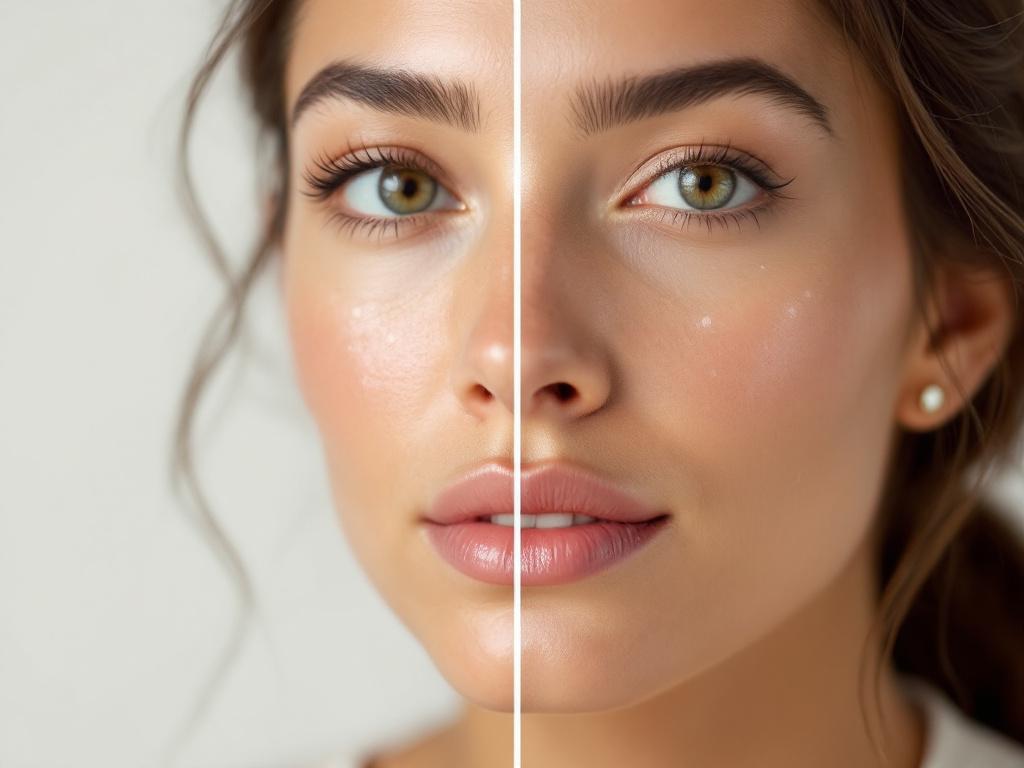
The takeaway: before you buy anything, identify your spot type honestly. If you're not sure whether you're looking at melasma or post-inflammatory hyperpigmentation, that uncertainty is itself the answer — book a dermatology consult before you spend on a cream that may be wrong for the lesion.
Safer Alternatives That Often Outperform Skin-Bleaching Creams
You may not need a "bleach" at all. The alternatives sort cleanly into three tiers, and for several common scenarios — especially solar lentigines on lighter skin, or melasma in someone who's already failed one OTC cream — the alternative is faster, safer, or both.
Tier one: topical alternatives that don't require a hydroquinone prescription.
- Azelaic acid 15–20% — proven for melasma and PIH, well-tolerated on rosacea-prone and sensitive skin (Sanova Dermatology). The OTC 10% formulas are mild; the prescription 20% is meaningfully stronger and worth the consult if azelaic acid is your direction.
- Tretinoin 0.025–0.05% (Rx) — accelerates skin cell turnover, which works synergistically with any depigmenting agent because it speeds the rate at which pigmented cells move out and shed.
- Vitamin C 15–20% L-ascorbic acid — modest standalone effect on dark spots but a strong daytime layer under SPF, where it adds antioxidant protection against the UV that's actively making more pigment.
- Tranexamic acid 3–5% topical — newer melasma option with growing clinical use (DermOnDemand), often layered with azelaic acid for melasma-specific protocols.
Tier two: in-office procedures.
- Chemical peels — glycolic acid 30–70%, TCA 10–35%, or Jessner's solution; typically a series of 3–6 sessions spaced 2–4 weeks apart.
- IPL (intense pulsed light) — fast on solar lentigines but not safe on darker skin tones (Fitzpatrick IV–VI) due to burn and post-inflammatory hyperpigmentation risk. If you have medium-to-deep skin and a clinic is selling you IPL, find a different clinic.
- Picosecond laser (PicoSure, PicoWay) — safer across skin tones, including Fitzpatrick V and VI; typically 3–5 sessions for visible results.
Tier three: the cost-benefit reality. A $15 OTC cream that fails over twelve weeks costs you twelve weeks of your life, not just $15. A $300–600 picosecond laser series may resolve the same spot in 6–10 weeks. For embedded melasma, neither route is curative — both require maintenance with sunscreen and a maintenance active. The cream-first approach makes financial sense as a starting point, but if you've already failed one OTC cream over a full eight-to-twelve-week trial, a dermatology consult is more cost-effective than a second cream.
Skin-Bleach Alternatives — Cost, Timeline, and Best-Fit Spot Type
| Option | Estimated Cost (U.S.) | Timeline to Visible Change | Best For | Key Limitation |
|---|---|---|---|---|
| Azelaic acid 15–20% | $25–80 OTC; $40–100 Rx | 12–16 weeks | Melasma, PIH, sensitive skin | Slower than hydroquinone |
| Tretinoin 0.025–0.05% | $20–60 generic Rx | 12–24 weeks | Texture + tone combined | Initial irritation, peeling |
| Vitamin C serum 15–20% | $20–150 | 12+ weeks | Mild spots, daily prevention | Modest effect alone |
| Glycolic acid peel series | $100–250 per session | 4–6 sessions | Surface pigment, texture | Photosensitivity post-peel |
| Picosecond laser | $400–700 per session | 3–5 sessions | All skin tones, deeper pigment | Higher upfront cost |
Cost ranges and use cases compiled from DermOnDemand and Sanova Dermatology published guidance; specific procedure pricing varies by region.
The pattern that emerges across the available dermatology guidance: hydroquinone is the most studied agent, but rarely the only correct answer. For melasma, azelaic acid plus tranexamic acid plus religious sun protection often outperforms hydroquinone alone over a 16-week course. For solar lentigines on lighter skin, IPL is faster than any cream. For deeper skin tones with stubborn pigment, picosecond laser is the safer device-based option, and the cost gap closes quickly when you compare it to twelve weeks of cream that didn't work. If you're treating combined concerns — pigment plus skin texture — a tretinoin protocol does both jobs simultaneously and is often the better single intervention than a dedicated lightening cream alone.
Red Flags That Mean a Skin-Bleaching Product Is Fake, Contaminated, or Dangerous
Contaminated lightening creams are a documented problem, especially in products sold outside licensed pharmacies. The contamination is rarely a manufacturing accident — it's usually deliberate addition of mercury or undisclosed corticosteroids to produce the fast results the legitimate ingredients can't. Six warning signs to screen for before you spend a dollar:
- Suspiciously fast results (under 2 weeks). Legitimate depigmenting agents do not work that fast. Visible lightening within days almost always means an undisclosed corticosteroid or a mercury compound. Foothill Dermatology specifically flags rapid-result claims as the strongest contamination signal in the category.
- Price below the legitimate floor. Genuine prescription hydroquinone 4% in the U.S. runs roughly $30–80 with insurance and roughly $50–150 cash, per GoodRx. A $5 "professional strength 6% hydroquinone" cream from a social media seller is not the legitimate product. Either the concentration is fabricated, the active ingredient is something else, or the product is contaminated with something that produces faster results than hydroquinone alone.
- Packaging audit failures. Missing batch number, missing expiration date, ingredients printed directly onto the plastic instead of a separate label, misspellings in the ingredient list ("hydroquinine," "hydraquinone"), or no manufacturer address. These are baseline regulatory requirements in the U.S. and most major markets. Their absence is itself a contamination signal.
- Undisclosed ingredients or vague claims. "Proprietary herbal blend," "secret formula," "ancient lightening complex" with no INCI ingredient list. The U.S., EU, and most regulators require full ingredient disclosure on cosmetic products. Vagueness in the ingredient list is a red flag, not a marketing flourish.
- Mercury and corticosteroid contamination. Both are documented in unregulated lightening creams. Mercury causes kidney damage, neurological symptoms (tremor, headache, memory issues), and gray-blue skin discoloration. Topical corticosteroids cause skin atrophy, visible blood vessels, and steroid-induced rosacea (Foothill Dermatology). Neither contaminant is detectable by smell or texture; you find out from symptoms.
- A source you cannot verify. Buy from licensed pharmacies (in-person or accredited online), board-certified dermatologists, or major retailers with FDA-registered supply chains. Social media DMs, unverified marketplaces, and "imported professional" formulas via informal networks are the highest-contamination channels documented.

The general rule: any product that promises faster, cheaper, or stronger results than what a board-certified dermatologist would prescribe is selling you something other than what's on the label.
Frequently Asked Questions Buyers Ask Before Their First Purchase
- Can I use skin bleach on my body, not just my face? Yes. Body skin (chest, hands, back) tolerates higher strengths and longer use because it's thicker and less reactive than facial skin. The same SPF and time-cap rules apply — a 3–4 month maximum on continuous hydroquinone use is the same whether you're treating your hand or your cheek.
- Does hydroquinone go bad? Yes, and visibly. Hydroquinone oxidizes when exposed to air and light, turning the cream brown — that's a sign of degraded product, and at that point it's no longer working as intended. Discard once it tints brown. Buy the smaller tubes (15–30 g) and use within 3–6 months of opening, even if there's product left.
- Can I use a skin-bleaching cream while pregnant or breastfeeding? Hydroquinone has 35–45% systemic absorption per application on intact skin, per medical literature summaries cited by GoodRx, and human safety data in pregnancy is limited. Most OBs recommend deferring hydroquinone and tretinoin until after breastfeeding ends. Azelaic acid is generally considered the safer pregnancy-compatible option, but confirm with your OB before starting any active ingredient during pregnancy or while nursing.
- Will my dark spots come back? Often, yes — especially melasma. Without daily SPF and a maintenance ingredient (vitamin C, azelaic acid, or low-dose tranexamic acid), pigment commonly returns within 6–12 months in most cases. Treat dark-spot management as ongoing, not curative. The people who maintain results are the ones who treat sunscreen as a year-round habit, not a summer one — the same daily-SPF discipline that underpins early signs of aging prevention.
- How do I know if my "dark spot" needs a dermatologist instead of a cream? Get evaluated, not creamed, if the spot: appeared in adulthood and is changing in size, shape, or color; has irregular borders; bleeds, itches, or crusts; or is markedly asymmetrical. These are the standard screening criteria for skin cancers, and no topical lightening agent will treat them — but a dermatologist can rule them out in a single visit. A cream applied to an undiagnosed lesion is the most expensive mistake in this category, because it costs you time on a treatment that was never going to work.
Your Pre-Purchase Checklist and 12-Week Treatment Brief
You've read enough to make the decision. The checklist below is what to do before you click buy or book the consult, and the brief template is what to fill out so you have an honest record of your protocol when week 12 arrives.
Pre-Purchase Checklist
- Photograph each spot in identical window-light conditions today. Save to a dated folder on your phone.
- Identify your spot type: solar lentigo, melasma, post-inflammatory hyperpigmentation, or unsure. If unsure → book a dermatologist evaluation before buying anything.
- Confirm your skin tone (Fitzpatrick I–III vs. IV–VI). This changes which ingredients and which procedures are safe for you.
- Buy a broad-spectrum SPF 30+ (mineral or chemical) and start using it daily before your first depigmenting application. The sunscreen habit needs to be established before you photosensitize the skin.
- For prescription ingredients, book a teledermatology or in-person consult. For OTC, verify the product is sold by a licensed pharmacy or major retailer with a verifiable supply chain.
- Patch test 48 hours on the inner forearm, then 5–7 days behind the ear, before any face application.
- Set a calendar reminder for week 8 (mid-point check-in) and week 12 (decision point).
- Identify your fallback option in advance: if no progress at week 12, your next step is azelaic acid, tretinoin, a dermatologist consult, or an in-office procedure — decide which one before week 12 so the decision isn't emotional.
12-Week Treatment Brief Template
Spot type I'm treating: _______________
Skin tone (Fitzpatrick I–VI): _______________
Ingredient and strength I'm starting with: _______________
Source / pharmacy: _______________
Dermatologist consulted: Yes / No / Telehealth
SPF I'm using daily: _______________
Start date: _______________
Week 4 photo check: _______________
Week 8 photo check: _______________
Week 12 decision: Continue / Pause / Switch ingredient / Book procedure
Maintenance plan after 4 months: _______________
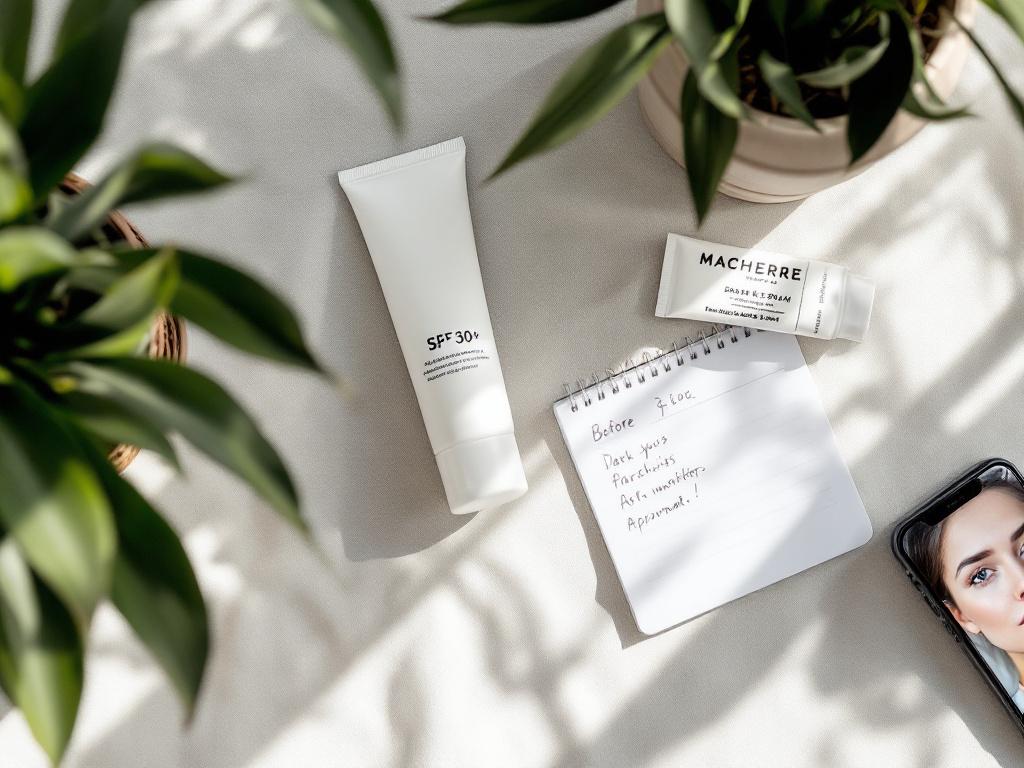
Fill in the brief honestly on day one. The most common pattern in failed treatment isn't a bad product — it's a treatment that drifted, where the user lost track of when they started, missed weeks of SPF, or never compared week-12 photos to week-0 photos. A written brief and four scheduled photos remove the guesswork. At week 12, you'll know whether to continue, switch ingredients, or escalate to a procedure — and you'll have the photographic evidence to back the decision either way.