





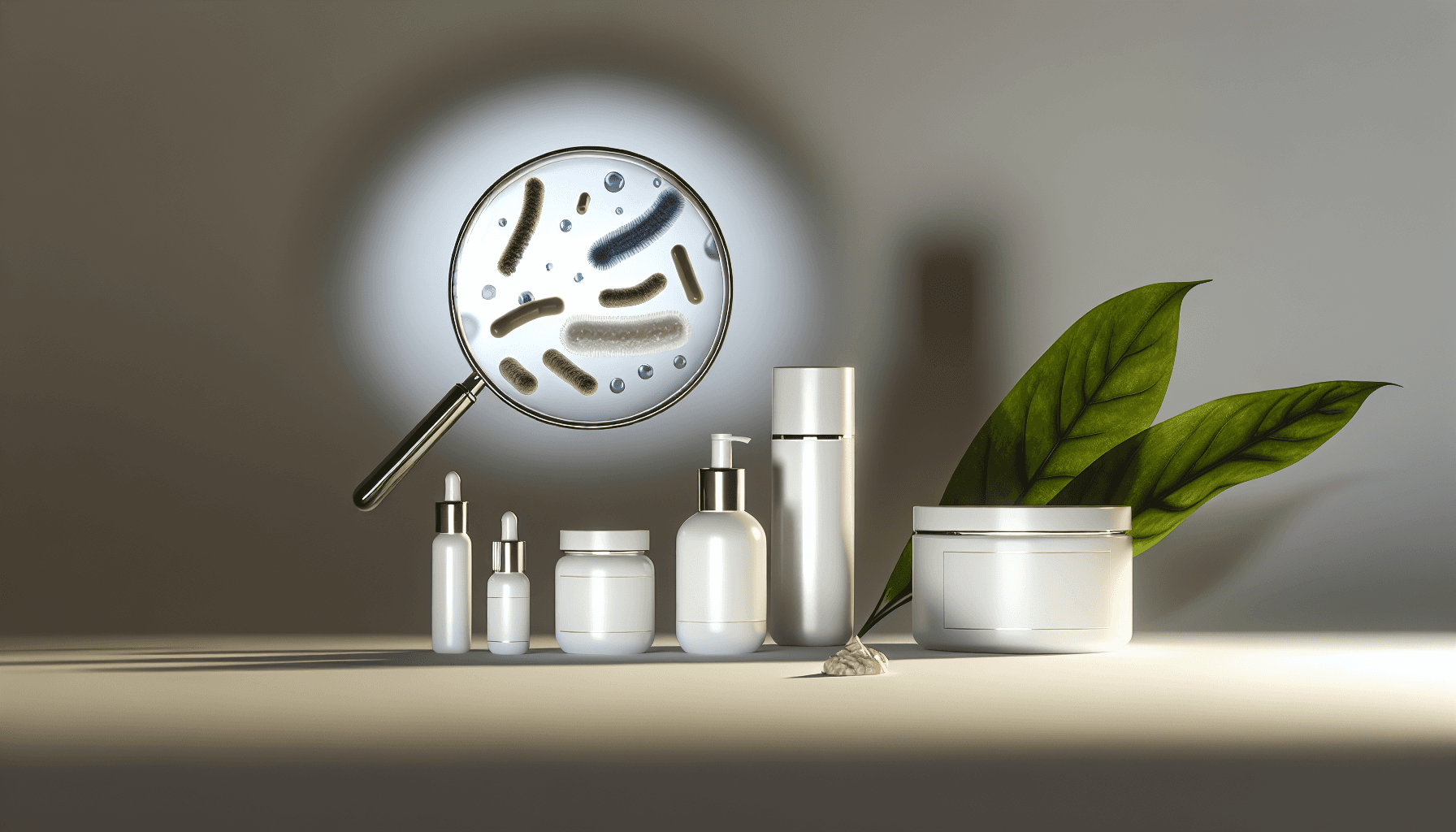
Exploring the Benefits of Probiotics in Acne Management: Balancing Your Skin’s Microbiome
This article is educational and does not diagnose a condition or replace care from a qualified medical professional.
Probiotics—live beneficial bacteria—are emerging as a promising alternative approach to traditional acne treatments, leveraging the growing scientific understanding of the gut-skin connection. These microscopic powerhouses aren't just for digestion anymore; they're making waves in the skincare world. Recent discoveries have highlighted the crucial role that maintaining a bacterial balance plays in achieving and maintaining healthy skin. This balance extends beyond our digestive system, contributing to a complex relationship between the gut and the skin, often referred to as the gut-skin axis.
Interest in this gut-skin connection is skyrocketing as people seek more holistic methods of skincare, particularly when it comes to managing acne. While many have traditionally turned to surface-level treatments to tackle acne, a growing body of evidence suggests that the key to healthier skin may lie deeper within, starting with the gut. By promoting this internal balance, probiotics offer a natural, gentle route to skin health that avoids the potential side effects of conventional treatments such as antibiotics, which can disrupt the body's delicate microbiotic ecosystems.
When the body maintains a harmonious balance of bacteria, it is better equipped to support not only digestive health but also the skin's integrity and radiance. This overarching concept of bacterial balance is becoming a cornerstone for those seeking a path to clear skin from within. As probiotic skincare continues to evolve, understanding its foundational role in skin health, especially for those battling the persistent challenges of acne, is more important than ever.
Understanding Probiotics and Their Role in Health
Probiotics are living microorganisms that, when consumed in adequate amounts, confer health benefits to the host. These beneficial bacteria are primarily known for their ability to maintain a balanced gut microbiome, which is fundamental to overall health. The gut microbiome is a complex community of bacteria, fungi, and other microorganisms residing in the intestinal tract, playing essential roles in digestion, metabolism, and even mental health.
The primary function of probiotics is to support digestion by breaking down food substances that the human body cannot process on its own. They also help to reinforce the intestinal barrier, preventing the passage of harmful pathogens and substances. One such harmful substance is the lipopolysaccharide (LPS) endotoxin, which can penetrate the intestinal lining during a condition known as intestinal permeability or "leaky gut." When LPS breaches this barrier, it can enter the bloodstream, triggering systemic inflammation that may manifest in various health issues, including skin conditions like acne.
Moreover, probiotics are instrumental in modulating immune responses, ensuring that the immune system functions correctly without overreacting to harmless substances. This characteristic is particularly important when considering inflammatory skin conditions. By maintaining the bacterial balance, probiotics prevent the dominance of harmful microorganisms that could otherwise lead to gut dysbiosis—a condition linked to numerous health problems.
In the context of skincare, probiotics' ability to preserve a healthy gut microbiome translates directly to benefits for the skin. By preventing the permeation of LPS and other endotoxins, probiotics help curb inflammation not just in the gut but throughout the body, including the skin. This holistic approach forms the basis of why probiotics are being heralded as a potential ally in maintaining both internal and external health, marking them as a vital component in the quest for clearer skin.
Acne Management and the Skin Microbiome
The skin microbiome plays a pivotal role in maintaining skin health and preventing conditions like acne. This microbiome is a diverse community of microorganisms, including bacteria, fungi, and viruses, that lives on the skin's surface. A balanced skin microbiome acts as a protective layer against environmental pathogens, supports wound healing, and maintains skin hydration and pH levels.
Acne, a common skin condition particularly among teenagers, arises when there is a bacterial imbalance in this skin ecosystem. The overgrowth of Cutibacterium acnes (C. acnes), a bacterium naturally residing in the skin, is a primary culprit behind acne development. When this bacterium proliferates excessively, it causes inflammation and clogged pores, leading to blackheads, whiteheads, and pimples.
Traditional acne treatments often involve antibiotics to reduce the bacterial load and other medications to decrease inflammation and sebum production. However, while effective, these treatments can have drawbacks. The use of antibiotics, for instance, can lead to bacterial resistance, rendering the medications less effective over time. Furthermore, antibiotics do not discriminate between harmful and beneficial bacteria, potentially disrupting the skin and gut microbiomes' delicate balance, leading to other health issues.
This is where probiotics offer a promising alternative. Instead of indiscriminately killing bacteria, probiotics work by supporting the growth of beneficial bacteria that can outcompete and suppress pathogens like C. acnes. Probiotics also help to modulate the immune system, aiming to reduce the inflammation that typically accompanies acne.
By nurturing the skin microbiome and promoting its health, probiotics provide a natural method of acne management. They create an environment where beneficial bacteria flourish and pathogenic bacteria are kept at bay, ultimately leading to clearer, healthier skin. This approach not only addresses the symptoms of acne but also targets its underlying causes, emphasizing the importance of a balanced microbiome for skin health.
The Gut-Skin Connection
The concept of the gut-skin connection is centered on the communication between gut health and skin conditions—a relationship often described as the gut-skin axis. This axis highlights the intricate link between the intestinal microbiome's balance and the skin's condition. Gut dysbiosis, an imbalance in the gut microbiota, is known to have repercussions far beyond digestive issues, influencing systemic inflammation that can manifest as skin problems, including acne.
When the gut experiences dysbiosis, it compromises the intestinal barrier's integrity, leading to increased intestinal permeability. This condition, commonly referred to as "leaky gut," allows substances such as LPS endotoxins to escape into the bloodstream. This escape triggers an immune system response characterized by systemic inflammation—an underlying factor contributing to acne and other inflammatory skin conditions.
Scientific studies have provided evidence of the connection between gut health restoration through probiotics and subsequent improvements in skin health. By rebalancing the gut microbiome with probiotics, the intestinal barrier's integrity is strengthened, reducing the influx of inflammatory molecules into the bloodstream. This reduction in systemic inflammation has been associated with clearer skin and a decrease in acne severity.
For instance, research has shown individuals with poor gut health often exhibit lower levels of beneficial bacteria like Lactobacillus and Bifidobacterium. By replenishing these populations through probiotic supplementation or dietary adjustments, studies report a decrease in markers of inflammation, thereby promoting healthier skin. The gut-skin axis represents a holistic approach requiring the integration of gut health management with skincare routines to achieve optimal results.
Probiotics, by supporting this axis, present a compelling strategy for managing acne. By protecting the gut environment, they ensure that the body's inflammatory response is kept in check, indirectly supporting skin health. Therefore, maintaining gut health is not merely beneficial for digestion but plays a critical role in overall skin vitality, reinforcing the idea that healthy skin truly begins from within.
How Probiotics Support Acne Management
The role of probiotics in acne management lies in their ability to address the root causes of acne rather than just its symptoms. This unique capability stems from their influence on both gut and skin microbiomes and the immune system's regulation. Among the many strains of probiotics, Lactobacillus and Bifidobacterium are notably effective in combating acne through multiple mechanisms.
Lactobacillus Strains
Lactobacillus strains are renowned for their benefits in maintaining skin health and reducing acne symptoms. Research indicates that these strains can significantly decrease sebum production, one of the factors contributing to acne development. By regulating sebum, Lactobacillus prevents the clogging of pores, a precursor to acne lesions.
One particular strain, Lactobacillus plantarum, has shown promising results in improving skin hydration, reducing acne severity, and balancing skin oil levels. In clinical trials, participants who consumed Lactobacillus plantarum reported notable improvements in their skin condition compared to those given a placebo.
Bifidobacterium Strains
Similarly, Bifidobacterium strains enhance skin health by strengthening the intestinal lining, thereby preventing the permeation of endotoxins like LPS. This gut fortification is crucial in mitigating systemic inflammation linked to acne development. Studies have demonstrated that Bifidobacterium supplementation reduces inflammatory markers and curbs the growth of C. acnes.
In a clinical setting, participants receiving probiotics containing Bifidobacterium breve and other supportive strains exhibited a marked reduction in inflammatory skin lesions over several weeks, highlighting the strain's efficacy in acne management.
Other Beneficial Probiotic Strains
Beyond Lactobacillus and Bifidobacterium, other probiotic strains also support skin health. Bacillus species, for example, are effective in reducing facial sebum production and improving gut permeability. Additionally, Streptococcus species, such as Streptococcus thermophilus, augment skin moisture by boosting ceramide production, providing an antimicrobial effect against acne-causing bacteria.
Clinical evidence supports the use of these strains, both in isolation and conjunction with traditional treatments like antibiotics. Studies confirm that when probiotics are incorporated into treatment regimens, there is a synergistic improvement in acne reduction, highlighting the critical role of probiotics in achieving and maintaining clear skin.
Probiotics facilitate nuanced, tailored approaches to managing acne by addressing its underlying causes: bacterial balance and inflammation. This comprehensive method underscores the importance of recognizing acne as a result of internal dysregulation, not just a superficial problem. By supporting internal microbiotic balance, probiotics promote a more sustainable, holistic path to acne management.
Incorporating Probiotics into Daily Skincare Routine
Integrating probiotics into your skincare routine can be straightforward, offering multiple avenues for consumption, both orally and topically. Here are some practical tips for doing so effectively.
Oral Probiotics
Oral probiotics are a popular choice, with supplements containing clinically-researched strains such as Lactobacillus plantarum and Bifidobacterium breve. Standard dosing often involves taking a daily capsule or packet, although individual needs may vary. Consistent usage over several weeks to months is generally necessary to observe significant improvements in skin health.
These supplements work internally to modulate the gut microbiome and strengthen the intestinal barrier, thereby reducing systemic inflammation that affects the skin. For those new to probiotics, starting with a lower dose and gradually increasing is recommended to allow the body time to adjust.
Topical Applications
Topical probiotics offer a direct approach with immediate local benefits to the skin. Formulations often include Lactobacillus strains and can be applied as part of a daily skincare regimen. These products support the skin microbiome by enhancing barrier function, reducing sebum production, and minimizing inflammation. For optimal results, it's advisable to use topical probiotics consistently alongside a comprehensive skincare routine tailored to your specific skin type and concerns.
Dietary Sources
Incorporating fermented foods such as yogurt, kefir, sauerkraut, kimchi, and miso into your diet can provide natural sources of beneficial bacteria. Although dietary sources generally contain fewer bacteria compared to supplements, they can complement other probiotic interventions and support overall health.
Important Considerations
Before starting a probiotic regimen, consulting with a healthcare professional is advisable, especially if you have pre-existing health conditions or are on medications like antibiotics. Not all probiotics are created equal; efficacy varies depending on strains and formulations. Therefore, choosing high-quality products backed by clinical research and third-party testing is crucial for achieving desired results.
Probiotics, when integrated into a skincare routine, offer a multifaceted approach to supporting not just clear skin but overall well-being through bacterial balance. By addressing internal health alongside external treatments, probiotics provide a versatile strategy for achieving healthy skin from the inside out.
Conclusion
Probiotics represent a scientifically-supported approach to acne management that addresses root causes through bacterial balance and gut-skin axis optimization rather than surface-level symptom suppression. The evidence is compelling: Lactobacillus and Bifidobacterium strains have demonstrated significant reductions in inflammatory lesions, sebum production, and pathogenic bacteria counts across multiple rigorous clinical trials.
Both oral and topical applications show promise, offering flexibility to match individual preferences and skin conditions. Rather than viewing probiotics as a replacement for professional dermatological care, consider them as part of a comprehensive, holistic skincare strategy. By supporting internal bacterial balance and strengthening intestinal health, probiotics create conditions for clearer skin from within—making them a valuable complement to topical treatments and lifestyle modifications in your journey toward improved skin health.
By integrating probiotics into your daily routine, you can support a bacterial balance that extends benefits far beyond just clear skin. Probiotics lay a foundation of health that empowers your body to manage inflammation and maintain cellular integrity, ultimately promoting a natural radiance that starts from within. The potential for probiotics to transform traditional approaches to acne management is profound, presenting an exciting frontier for those seeking sustainable and holistic strategies for skin care. As more individuals explore and embrace this internal health aspect, the broader understanding and acceptance of probiotics will likely grow, ushering in a new era for skincare and overall well-being.
FAQ
What are probiotics and how do they function?
Probiotics are live beneficial microorganisms, mainly bacteria, that reside naturally in the body, particularly in the digestive tract. They help balance the gut microbiome by promoting the growth of beneficial bacteria and suppressing harmful bacteria. This balance supports digestion, boosts the immune system, and prevents harmful substances from crossing the intestinal lining into the bloodstream, thereby reducing systemic inflammation.
Can I use probiotics if I am already on acne medication?
Yes, many individuals use probiotics alongside traditional acne treatments. However, it's essential to consult with a healthcare provider to ensure compatibility with any medications, especially antibiotics, to avoid potential interactions and maximize the benefits of a combined approach.
Are there any side effects associated with probiotics?
Probiotics are generally safe for most people, but some individuals may experience mild digestive symptoms such as gas, bloating, or diarrhea, especially when starting a new supplement. These effects are usually temporary. It's crucial to start with a lower dose and gradually increase it, or consult a healthcare professional if you have concerns.
How long does it take to see results from probiotics in skincare?
The time it takes to observe noticeable skin improvements with probiotics can vary. Generally, consistent use over a period of several weeks to months is required to achieve significant results. The exact timeline can depend on individual factors, including the type of probiotic used and the severity of the skin condition being treated.
Do fermented foods have enough probiotics to be effective for acne management?
Fermented foods can provide beneficial probiotics, but they typically contain lower amounts of these microorganisms compared to supplements. As part of a broader skincare strategy, they can support gut health, but they may be best used in conjunction with high-potency probiotic supplements for targeted acne management.