





How to Fade Red Spots on Skin: Expert Skincare Routine
This article is educational and does not diagnose a condition or replace care from a qualified medical professional.
How to Fade Red Spots on Skin: An Expert Skincare Routine for PIE, PIH & Post-Acne Marks
You've spent eight weeks applying that TikTok-viral vitamin C serum every morning. You stand at the bathroom mirror, tilt your jaw toward the window, and the red spots on your cheek look identical to the day you started. Maybe they look worse. The acne itself healed weeks ago, but the marks it left behind feel like a permanent verdict on skin that was supposed to be "clear by now."
If you've cycled through drugstore dark spot correctors, $80 brightening kits, DIY lemon juice masks, and three different "miracle" serums recommended by influencers, the problem isn't your discipline. The problem is that effective skin care for red spots depends on a diagnostic step almost nobody performs before buying products. Most red spots are two completely different conditions wearing the same costume — Post-Inflammatory Erythema (PIE), which is vascular, and Post-Inflammatory Hyperpigmentation (PIH), which is melanin-based. Treating them identically is why your shelf is full and your skin is not changing.
What follows is a sequenced 4-phase approach — inflammation control, barrier repair, targeted fade, and maintenance — built around the difference between those two conditions. It's not a product stack. It's the logic Dr. Maria uses at Macherre Medical Center when building post-acne and discoloration treatment plans for her ProAcne clients: assessment first, sequencing second, products last. The American Academy of Dermatology's public guidance on post-acne marks emphasizes the same principle — without identifying what kind of mark you have, treatment is guesswork.
Table of Contents
- PIE vs. PIH: The Diagnostic Test That Changes Your Entire Routine
- Why Your Skin Barrier Is the Hidden Reason Red Spots Linger
- The 4-Phase Skincare Sequence for Fading Red Spots
- Ingredient Selection Guide: What Actually Works vs. What's Marketing
- Realistic Timelines: How Long Red Spots Take to Fade
- Lifestyle Factors That Decide Whether Your Routine Works
- Common Questions Before You Start a Red Spot Routine
- Your Red Spot Routine Starter Checklist
PIE vs. PIH: The Diagnostic Test That Changes Your Entire Routine
Before you spend another dollar on a serum, you need to know which condition you're actually treating. There's a simple screening test you can do at the bathroom mirror in under ten seconds.
Take a clean finger and press firmly on the red spot for 3–5 seconds, then release and observe immediately in good lighting:
- If the redness disappears under pressure and slowly returns → primarily PIE (vascular)
- If the spot stays the same color under pressure → primarily PIH (melanin)
- If you see both behaviors on different spots → you have mixed marks (the most common scenario)
This technique is called diascopy in clinical settings and is a standard dermatology assessment. It's a screening tool — not a diagnosis — but it's accurate enough to change which ingredients you should be reaching for.
| Feature | PIE | PIH |
|---|---|---|
| Color | Pink, red, or purple | Tan, brown, dark brown |
| Cause | Dilated capillaries, vascular damage | Melanin overproduction during inflammation |
| Fitzpatrick types most affected | I–III (lighter) | III–VI (medium to deep) |
| Blanches under pressure? | Yes | No |
| Best-supported ingredients | Niacinamide, centella, azelaic acid | Vitamin C, azelaic acid, tranexamic acid, kojic acid |
| Worst response to | Aggressive exfoliation, harsh vitamin C | UV exposure, picking, friction |
| Typical fade window (topicals) | 6–18 months | 3–12 months |
| Professional acceleration | Pulsed-dye laser, IPL | Chemical peels, microneedling |
The financial and emotional cost of misidentification is significant. A reader spending $60 a month on vitamin C for vascular PIE is buying the wrong category of product entirely. Vitamin C targets tyrosinase, the enzyme that produces melanin. It does nothing meaningful for dilated capillaries. Conversely, someone with deep PIH using only centella and niacinamide is missing the pigment-targeting actives that would actually fade their marks — and may plateau for months before realizing the routine was incomplete from the start.
There's one ingredient that bridges both conditions: azelaic acid. It's the rare active that addresses inflammation, vascular reactivity, and melanin production simultaneously, which is why it shows up in clinical formulations for mixed presentations. If your finger-press test shows different spots behaving differently, a personalized assessment can help map both conditions and weight your routine accordingly.
One important caveat for higher Fitzpatrick skin types (IV–VI): the same aggressive ingredients marketed as "brightening" — high-percentage vitamin C, strong AHAs, harsh scrubs — can themselves trigger PIH. The treatment becomes the cause. This is why concentration and pacing matter more than potency for deeper skin tones. And if your redness is diffuse and persistent across the central face rather than localized to old breakouts, you may be looking at rosacea rather than PIE, which has a different treatment pathway entirely.
Why Your Skin Barrier Is the Hidden Reason Red Spots Linger
Most readers approach red spots as a pigment problem or a vascular problem. The more accurate framing is that red spots are a healing-environment problem. A damaged barrier extends every other issue on your face, and almost every failed routine in this category fails because the barrier was never repaired first.
The skin barrier is the stratum corneum — the outermost 15–20 micron layer of dead corneocytes held together by a lipid matrix made up of roughly 50% ceramides, 25% cholesterol, and 15% free fatty acids. When intact, it retains water (keeping transepidermal water loss, or TEWL, low) and blocks irritants. When damaged, the inflammatory cascade restarts daily — and the marks you're trying to fade keep getting fresh inflammatory fuel.
You probably already know if yours is compromised. Translated from clinical language into honest signals:
- Skin stings when applying products that previously didn't sting
- Visible redness intensifies after cleansing
- Tightness within 30 seconds of patting dry
- Small flaky patches around the nose or jawline
- New sensitivity to fragrance or hot water
A damaged barrier prolongs red spots through four mechanisms. Inflammation feeds melanin production, worsening PIH. Inflammation keeps capillaries dilated, worsening PIE. Dehydrated skin is less light-reflective, which makes redness look more intense even when the underlying pigment hasn't changed. And active ingredients — vitamin C, AHAs, retinol — penetrate too aggressively through compromised skin, triggering further inflammation rather than fading marks.
Here's the uncomfortable irony: most readers damaged their own barrier while trying to fix red spots. The common pattern looks like this — double cleansing with foaming surfactants twice daily, AHA/BHA toners every morning, retinol stacked with vitamin C and acid exfoliants in the same week, hot showers, and fragranced "brightening" products. Each of those choices made sense in isolation. Together they create chronic low-grade barrier disruption that no fade ingredient can override.
Red spots don't fade because you're missing a step — you're missing the reason for the step.
The fix is a 2-week barrier reset before you do anything else. This isn't a routine — it's a circuit breaker.
- Cleanser: One gentle, pH-balanced (5.0–5.5), non-foaming cleanser, evening only. Morning is a water-only rinse.
- Hydrator: Humectant serum with hyaluronic acid or glycerin.
- Moisturizer: Ceramide-based cream, AM and PM.
- Sunscreen: Mineral SPF 30–50, AM.
- Eliminate: All actives (retinol, vitamin C, AHA, BHA, benzoyl peroxide), all fragranced products, all "brightening" toners.
For sensitive skin or skin already showing significant reactivity, this reset extends to 3–4 weeks. For dehydrated and dry skin presentations where TEWL is the dominant issue, the humectant + occlusive pairing becomes the central focus rather than a side note. The reset is non-negotiable before any fade-targeting routine begins. Skipping it is why most readers plateau at week six and assume the entire approach failed.
The 4-Phase Skincare Sequence for Fading Red Spots
This is where the skin care for red spots framework becomes operational. Each phase has a goal, a timeline, an ingredient list with concentrations, and — most importantly — a transition signal that tells you when you're ready for the next phase. Moving forward before the signal appears is the single most common reason routines stall.
Phase 1 — Inflammation Control (Weeks 1–2)
- Goal: Calm visible redness, stabilize the barrier, reduce reactivity.
- AM: Water rinse → niacinamide 4–5% serum → ceramide moisturizer → mineral SPF 30–50.
- PM: Gentle cleanser → niacinamide serum → ceramide moisturizer.
- Optional active: Azelaic acid 10% (PM, every other day) if marks are PIE-dominant or you have ongoing acne.
- Avoid: Retinol, vitamin C, AHAs, BHAs, scrubs, fragranced products.
- Transition signal: No stinging on application; redness intensity has visibly reduced under neutral light.
Phase 2 — Barrier Repair Consolidation (Weeks 2–6)
- Goal: Rebuild the lipid layer, reduce reactive flushing, prepare skin for stronger actives.
- Add: Hyaluronic acid serum (1–2%) on damp skin before moisturizer.
- Add: Peptide serum (PM) — signals collagen synthesis and supports tissue remodeling.
- Keep: Niacinamide, ceramide moisturizer, daily SPF.
- Frequency: AM and PM consistently.
- Transition signal: Skin tolerates the routine without redness rebound after cleansing; visible reduction in baseline flushing.
Phase 3 — Targeted Fade Actives (Weeks 6–12)
This is where your finger-press test pays off. The actives split by mark type:
- For PIH: Add vitamin C (L-ascorbic acid 10–15%) in the AM — 2–3 mornings per week initially, building to daily. Introduce a low-strength AHA (glycolic or lactic 5–8%) 1–2 PMs per week.
- For PIE: Continue azelaic acid 10–15% nightly. Consider tranexamic acid serum (3–5%) where available.
- Keep: All Phase 2 layers. SPF non-negotiable.
- Avoid: Stacking vitamin C + retinol + AHA on the same night. Using actives on consecutive nights early in Phase 3.
- Transition signal: Visible 30–50% fade compared to your Week 1 baseline photograph.
Jumping to vitamin C on inflamed skin is like bleaching a wound — you damage the healing process and extend redness by months.
Phase 4 — Maintenance & Prevention (Week 12+)
- Goal: Sustain results, prevent recurrence from new breakouts or UV damage.
- AM: Gentle cleanser → vitamin C → moisturizer → mineral SPF 50.
- PM: Gentle cleanser → retinol 0.25–0.5% (2–3x weekly) or azelaic acid (alternating) → barrier moisturizer.
- Weekly: Gentle exfoliant (low % AHA or PHA) once weekly maximum.
- For ongoing comedonal acne: Maintenance routines often pair with targeted blackhead and whitehead care, since unaddressed congestion produces the next round of marks.
- Lifestyle anchors: Consistent SPF, anti-inflammatory food choices, sleep hygiene.

The reason this sequence works is that each phase prepares the tissue for the next one. Calm skin tolerates barrier repair. A repaired barrier tolerates targeted actives. Skin that has faded responds well to maintenance dosing. Skip any phase and the next one underperforms — often dramatically.
Ingredient Selection Guide: What Actually Works vs. What's Marketing
Once you know whether you're treating PIE, PIH, or both, the ingredient aisle becomes navigable rather than overwhelming. What follows is organized by function, with concentration ranges and one honest limitation for each. The limitation is the part most product pages leave out.
For PIE (vascular red marks)
- Niacinamide (4–5%) — A form of vitamin B3 that supports barrier function and is widely reported to reduce visible flushing by strengthening capillary walls. According to Healthline's overview of niacinamide, it's well-tolerated across skin types. Limitation: effects are gradual (8–12 weeks) and modest in isolation.
- Centella asiatica (cica/madecassoside) — A plant-derived compound traditionally used for wound healing; supports collagen synthesis and reduces inflammatory signaling. Limitation: evidence is stronger for general soothing than for specific PIE reversal.
- Azelaic acid (10–20%) — The dual-action ingredient. Reduces inflammation, normalizes keratinization, has antimicrobial action against acne-causing bacteria, and addresses both PIE and PIH. 10% is OTC; 15–20% is typically prescription. Limitation: can cause initial tingling and dryness; introduce slowly.
For PIH (pigment-based marks)
- Vitamin C / L-ascorbic acid (10–15%) — Inhibits tyrosinase and provides antioxidant protection against further UV-induced pigmentation. Pair with sunscreen for amplified UV defense — a natural fit for clients also working on age spots and hyperpigmentation. Limitation: unstable in formulation; turns yellow-brown when oxidized (no longer effective), and concentrations above 15% irritate many users.
- Tranexamic acid (2–5% topical) — Originally a medication for bleeding, increasingly used topically for pigmentation; interferes with melanin production pathways. Generally safe across skin types. Limitation: newer ingredient with less long-term evidence than vitamin C.
- Kojic acid (1–2%) — Fungal-derived tyrosinase inhibitor, often paired with other brighteners. Limitation: can be sensitizing for some users and is concentration-restricted in some markets.
- Alpha hydroxy acids — glycolic, lactic, mandelic (5–10%) — Exfoliate upper layers of skin, accelerating turnover of pigmented cells. Mandelic acid is the gentlest and most appropriate for deeper Fitzpatrick types and clients addressing skin texture alongside discoloration. Limitation: over-exfoliation triggers PIH in deeper skin tones — the exact problem you're trying to solve.
For barrier support (all red spot types)
- Ceramides (multi-ceramide blends) — Replenish the lipid matrix of the stratum corneum. Formulations that combine ceramides 1, 3, and 6-II with cholesterol and fatty acids in a 3:1:1 ratio mirror healthy skin composition. Limitation: deeply restorative but slow; effects build over 4–6 weeks.
- Hyaluronic acid (multi-molecular weight) — Pulls water into the upper skin layers; plumps and reduces visible redness by improving light reflection. Limitation: in dry climates, HA can pull water out of skin if applied without an occlusive moisturizer to seal it in.
Marketing claims to ignore
- "Brightening" without a specified active ingredient on the INCI list
- "Reduces redness in 7 days" (capillary remodeling does not work on that timescale)
- "Hydroquinone-free" framed as a benefit (hydroquinone is effective; OTC formulas are simply regulated differently)
- Vitamin C in clear bottles — the packaging itself is evidence the product will oxidize
- "Plant-derived retinol alternative" — bakuchiol has some evidence but is not a 1:1 replacement for retinoid efficacy
The most useful internal habit when reading a product label is to ignore the front and read the ingredient list. If the actives you need aren't in the first eight ingredients at meaningful concentrations, the product is decoration.
Realistic Timelines: How Long Red Spots Take to Fade
This is the section where most readers quit if they're going to quit. Expectation mismatch is responsible for more abandoned routines than any product failure. So here are the honest timelines.
For PIH (melanin-based marks):
- Weeks 1–4: No visible change. The routine is doing foundational work — barrier repair, melanin production slowdown — but visible pigment doesn't fade until affected skin cells turn over, which takes about 28 days in healthy adults and longer in older skin.
- Weeks 4–8: Gradual lightening becomes visible. Compare to Week 1 photographs in identical lighting — the change is almost always more dramatic in side-by-side photos than in daily mirror checks.
- Weeks 8–12: Meaningful fade. Most readers see substantial improvement by Week 12 if Phase 3 actives were introduced correctly and SPF was consistent.
- Beyond 12 weeks: Continued slow fade for deeper marks; some require 6+ months.
For PIE (vascular marks):
- Months 1–3: Modest improvement; redness may soften, but capillary remodeling is slow.
- Months 3–6: Noticeable change if barrier repair and anti-inflammatory routine have been consistent.
- Months 6–18: Continued gradual fade. Some PIE never fully resolves with topicals alone.
A subset of PIE cases plateaus around 60–70% improvement on topicals alone. This isn't failure — it's the ceiling of what topicals can do for vascular damage. At that point, in-office treatments like pulsed-dye laser or IPL accelerate results in ways at-home care cannot.
There are five common reasons your timeline runs longer than these ranges:
- Higher Fitzpatrick skin types (IV–VI) have longer cellular turnover and more melanin reserves, extending PIH fade timelines.
- Hormonal acne that continues producing new marks resets the timeline for each fresh lesion.
- Inconsistent sun protection can erase 4–6 weeks of progress in one unprotected weekend.
- Switching products every 2–3 weeks prevents any single approach from showing results.
- Continuing to pick at active spots restarts the inflammatory cycle and extends timelines indefinitely.
There's a consistency-over-cost principle that's worth internalizing: a $15 niacinamide serum applied twice daily for 12 weeks will outperform a $150 serum applied haphazardly. Adherence is the single largest variable in outcome. Most failed routines fail because of compliance, not product choice.
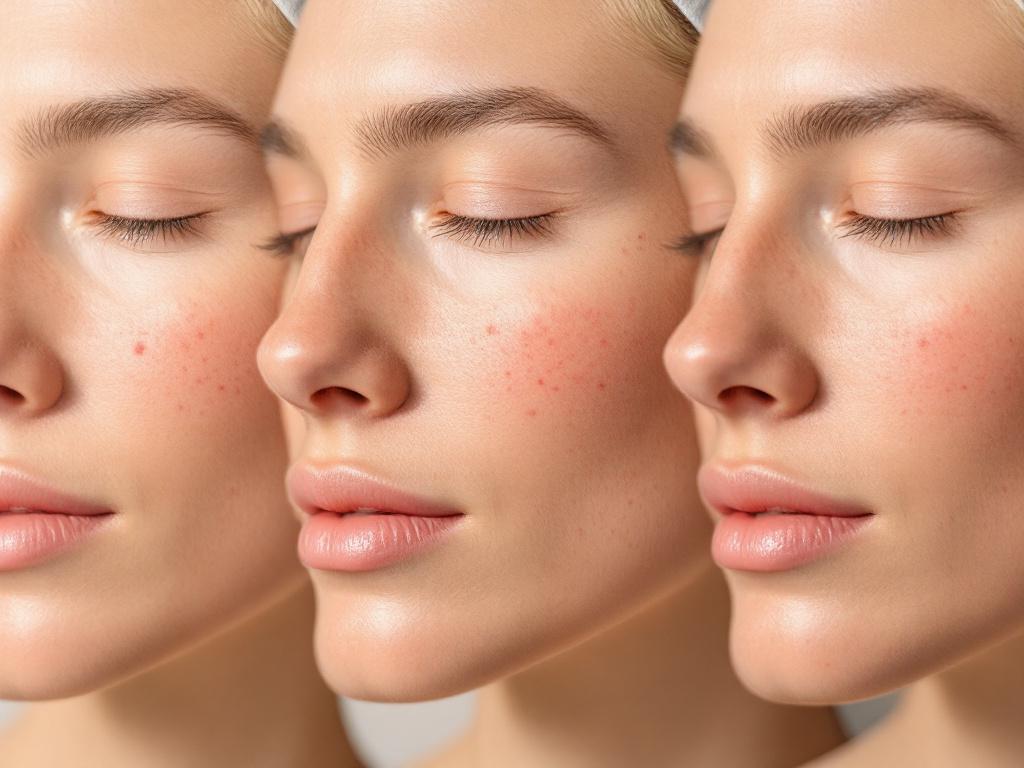
The most useful tool you have isn't a product — it's a camera. Take a Week 1 baseline photo in identical lighting (window light, no flash, no filter, same angle, same time of day). Re-photograph every two weeks. Visible change in real time is too gradual to register. Photos reveal the trajectory in a way the bathroom mirror never will.
One practical context note: the post-acne and discoloration program at Macherre is structured around bi-weekly follow-ups across 3–4 months specifically because that window aligns with realistic PIH fade timelines. Macherre reports a 95% improvement rate among ProAcne clients — this is an internal brand metric reflecting the program's emphasis on personalization and consistent adjustment, not a peer-reviewed clinical finding. The point worth taking from it is structural rather than statistical: routines that get adjusted every two weeks based on actual skin response outperform routines built once and left to run unchanged.
Lifestyle Factors That Decide Whether Your Routine Works
Your routine is one input. Six lifestyle factors decide whether that input produces results or gets overridden daily.
- Daily sun protection is the single highest-impact factor. UV exposure activates melanocytes and worsens both PIE and PIH. Mineral sunscreen (zinc oxide, titanium dioxide) at SPF 30–50 applied as the final morning step is non-negotiable. UVA penetrates window glass, so indoor desk workers near windows still need daily protection. Reapply every two hours when outdoors. The AAD's sunscreen guidance sets broad-spectrum SPF 30+ as the minimum daily threshold. Consistent SPF is also the primary preventive lever for early signs of aging — the same UV exposure driving your pigment recurrence is also driving fine lines and elastin breakdown.
- Anti-inflammatory eating patterns. Diets emphasizing whole foods, omega-3 sources (fatty fish, walnuts, flax, chia), and antioxidant-rich produce (berries, leafy greens, cruciferous vegetables) support systemic inflammation reduction. High-glycemic foods (refined sugar, white bread, sugary drinks) and dairy have been associated in some studies with acne flares in susceptible individuals — though individual response varies considerably. Use a 6-week elimination test rather than a permanent restriction to assess your own triggers.
- Sleep quality (7–9 hours, consistent timing). Skin performs the majority of its repair and regeneration during deep sleep phases. Sleep deprivation elevates cortisol, which is pro-inflammatory and prolongs redness. In practice, inconsistent sleep schedules disrupt circadian skin repair more than absolute sleep duration does — a steady 7 hours beats a chaotic 9.
- Stress management. Chronic stress elevates inflammatory signaling and is widely associated in dermatology literature with delayed wound healing and prolonged post-acne discoloration. Which specific practice you choose (meditation, yoga, walking, journaling) matters less than consistency. Fifteen minutes daily of any stress-reduction practice tends to outperform occasional longer sessions.
- Hands off the face. Touching, picking, and squeezing active spots restarts the inflammatory cascade and converts what would have been a brief mark into a deep, persistent one. This is the most common self-sabotage behavior among readers trying to fade marks. Keep nails short, hands washed, and apply a hands-off rule to phone screens and pillowcases (change pillowcases twice weekly).
- Avoiding heat and friction triggers. Hot showers above 38°C (100°F) disrupt the barrier. Vigorous towel drying causes micro-trauma. Tight masks and headphones create occlusive friction zones where marks both form and refuse to fade. Pat skin dry, use lukewarm water, and minimize friction across affected areas.
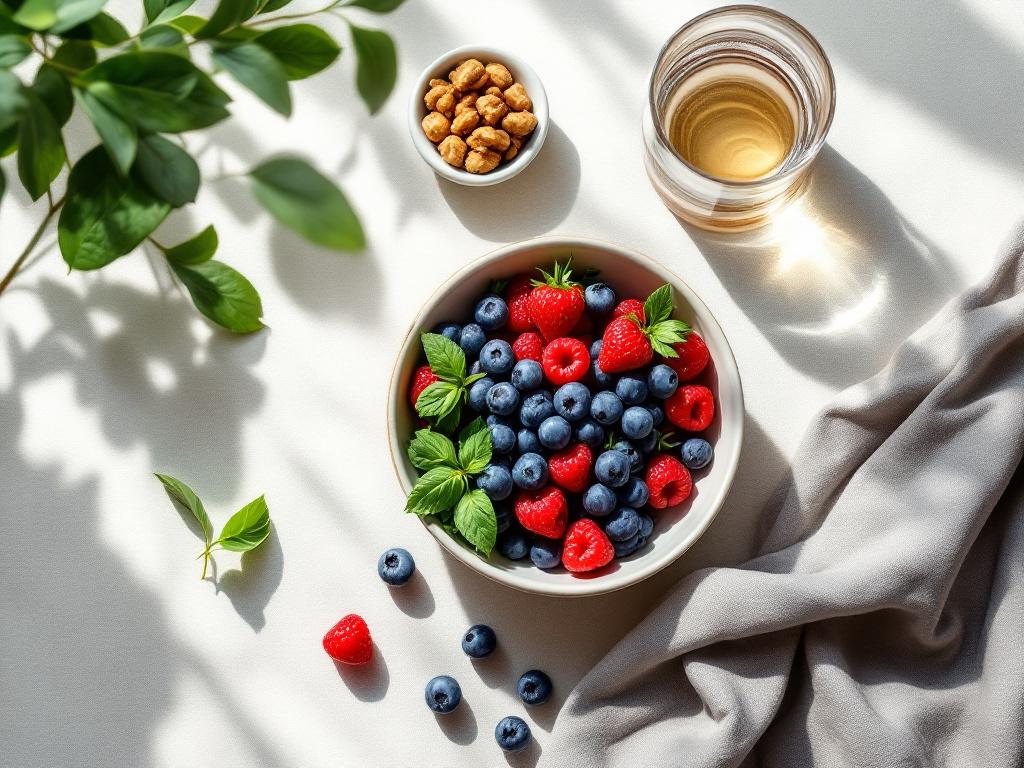
None of these are dramatic. They're cumulatively powerful, which is exactly why they're skipped. Readers want a serum that solves what is, in many cases, a sleep-and-sun problem.
Common Questions Before You Start a Red Spot Routine
- How do I know if my red spots are PIE or PIH? Use the finger-press test. If redness blanches under pressure, it's vascular (PIE). If it stays pigmented, it's melanin-based (PIH). Most people have a mix. A personalized consultation can confirm and map the proportions, especially for mixed presentations or when rosacea is suspected.
- Will my red spots ever fade completely? PIH usually fades substantially within 3–12 months with consistent care. PIE takes 6–18 months and a subset of cases plateaus before complete resolution. The realistic goal is "barely noticeable" rather than "invisible" — most readers report being satisfied at 70–80% improvement.
- Can I do all four phases at once to fade faster? No. Applying brightening actives to inflamed, barrier-compromised skin worsens redness and extends the timeline. The phases are sequential because barrier repair must precede active introduction. Impatience is the most common reason routines fail.
- What if I have sensitive skin? Start at the lowest concentrations, extend Phase 1 to 3–4 weeks instead of 2, and introduce one active at a time with a 2-week gap between additions. Sensitive skin protocols typically take 14–16 weeks to reach Phase 3 readiness rather than 6. A sensitive skin consultation is worth the investment to avoid setbacks that cost more time than the consultation itself.
- Should I get professional treatments instead of doing this at home? They work together, not in opposition. In-office treatments (chemical peels for PIH, pulsed-dye laser for PIE, microneedling for textured marks) can accelerate progress meaningfully — but they don't replace a daily routine. Without consistent home care, professional results regress.
- Is it safe to use vitamin C and retinol together? Yes, but not on the same night and not at the start of a routine. The standard approach is vitamin C in the AM (antioxidant plus brightening) and retinol in the PM (cellular turnover). Both require a tolerant, repaired barrier — typically Week 12+.
- How do I tell if my redness is rosacea, not post-acne marks? Rosacea presents as diffuse, persistent redness across the central face (cheeks, nose, forehead), often with visible capillaries and flushing triggers like heat, alcohol, or spicy food. Post-acne marks are localized to where breakouts occurred. If both patterns are present, a rosacea-specific consultation is the right starting point. The AAD's rosacea overview is a useful first read if you suspect this is the case.
Your Red Spot Routine Starter Checklist
Treat this as a pre-flight check before Week 1. Each item is verifiable, and skipping any of them tends to show up later as a stalled routine.
- Take baseline photos. Photograph affected areas in natural window light (no flash, no filter, same angle, same time of day). Save with today's date. Schedule a calendar reminder to re-photograph every two weeks.
- Perform the finger-press test on three different spots. Record which are PIE (blanching), PIH (non-blanching), or mixed. This determines which Phase 3 actives you'll need at Week 6.
- Audit your current bathroom shelf. Remove — don't throw away, just set aside — every product containing retinol, AHA/BHA, vitamin C, benzoyl peroxide, and fragrance. You'll reintroduce some of these in Phase 3 or 4.
- Acquire the four Phase 1 essentials. Gentle pH-balanced cleanser, niacinamide 4–5% serum, ceramide moisturizer, mineral SPF 30–50. Budget range is roughly $40–$100 for all four. Avoid splurging on Phase 1 — your money is better spent on Phase 3 actives later.
- Set a realistic 12-week minimum commitment. Mark Week 4, 8, and 12 checkpoints on your calendar. Do not change the routine before Week 4. Do not assess "results" before Week 8.
- Eliminate one lifestyle variable for the next 6 weeks. Choose one: daily SPF without exception, a consistent 7-hour sleep schedule, or eliminating one suspected dietary trigger. Don't try all three at once.
- Identify your touch/pick habit triggers. Most picking happens at the bathroom mirror, while watching TV, or during stress. Name the trigger and either remove the mirror or replace the habit with something tactile (hand cream, fidget item).
- Decide your professional support tier. Self-guided (free, longest timeline), one-time consultation for a personalized plan, or an ongoing program with bi-weekly adjustments. The right tier depends on complexity — mixed marks, sensitive skin, hormonal acne, or 3+ failed previous routines all push you toward more structured support.
- Plan Phase 3 ingredient research now. Note which actives match your PIE/PIH profile from the ingredient guide. Don't buy them yet — revisit at Week 5 when your barrier is stable and you know what your skin actually tolerates.
- Book a consultation if your situation is complex. Mixed PIE/PIH, suspected rosacea, persistent hormonal acne, deeper Fitzpatrick skin types, or 3+ failed routines benefit from a personalized assessment. Dr. Maria offers remote post-acne and discoloration consultations starting at $115 | €99, with a treatment plan that covers skincare, nutrition, and lifestyle in one structured document rather than a stack of products to guess between.