





Dark Under-Eye Circle Treatments That Actually Work: A Cosmetologist's Honest Review
This article is educational and does not diagnose a condition or replace care from a qualified medical professional.

You catch your reflection under the bathroom fluorescents after eight hours of sleep, and the shadows are still there. The $60 eye cream sits on the counter. The color-correcting concealer tutorial is bookmarked. The collagen powder dissolves in your morning coffee. None of it has done what the packaging promised. The frustrating part isn't the money — it's the suspicion that you've been solving the wrong equation.
Effective dark under-eye circle treatment begins with a diagnosis, not a product. According to a National Institutes of Health review, 72% of adults rank dark circles as a top cosmetic concern, but only 28% accurately identify the underlying cause. That gap explains the entire failure rate of the eye-cream industry. Three distinct mechanisms produce nearly identical-looking shadows, and each one responds to a completely different protocol. Treat vascular pooling with a pigment-fading serum, and you'll see roughly 12% improvement after three months — essentially nothing. Treat it with the right active, and the result transforms.
What follows is the diagnostic framework, the ingredient logic, the realistic procedural ladder, and the 12-week protocol that actually moves the needle.
Table of Contents
- Why Your Dark Circles Aren't What You Think They Are
- The Topical Ingredient Decision Matrix
- The Lymphatic Drainage and Circulation Reset
- Professional Treatments Ranked by Realistic Outcomes
- Dark Circle Treatments to Avoid
- Your 12-Week Personalized Treatment Protocol
- The Questions Patients Ask Right Before Booking a Consultation
Why Your Dark Circles Aren't What You Think They Are: Three Mechanisms, Three Protocols
Three distinct biological events produce dark under-eye shadows, and they look nearly identical at first glance. Telling them apart is the entire diagnostic foundation.
Vascular (venous pooling). Blood pools in the thin periorbital skin where capillaries sit close to the surface, producing a bluish, purple, or reddish tone. The shadow worsens with poor sleep, alcohol, sodium intake, and untreated allergies. According to a Dermatologic Surgery critical review, roughly 45% of Caucasian patients have vascular pooling as their primary cause.
Pigmentation (melanin-driven). Brown or grayish-brown tone, uniform color, often genetic or post-inflammatory. More common in Fitzpatrick III–VI skin. Sun exposure, eye rubbing, and post-inflammatory hyperpigmentation from eczema, allergies, or past breakouts all deepen the tone.
Structural (hollowing or tear trough). Not pigment at all — a shadow cast by anatomical depression as orbital fat pads shift with age or genetics. The darkness looks worse in overhead lighting and disappears when you gently lift the skin.
Three self-diagnostic tests will give you a working answer in 60 seconds in front of a mirror.
| Mechanism | Visual Cue | Self-Test | What Works |
|---|---|---|---|
| Vascular | Bluish, purple, reddish | Pinch test: skin blanches lighter | Caffeine, cold, sleep position |
| Pigmentation | Brown, grayish-brown | Stretch test: stays brown when pulled | Vitamin C, tranexamic acid |
| Structural | Shadow, depth, hollowing | Overhead light test: deepens | Filler, peptides, volumizing care |
For the pinch/blanching test, gently pinch a small fold of under-eye skin and release. If the color lightens dramatically, the cause is vascular. Per Dr. Seemal Desai, President of the American Academy of Dermatology, this single maneuver confirms a vascular component in under five seconds.
For the stretch test, gently pull the skin laterally toward the temple. If the darkness disappears, you've eliminated a shadow — meaning the cause is structural. If the brown stays put, you're looking at pigmentation.
For the overhead light test, stand in front of a mirror with a single overhead bulb. Structural circles deepen dramatically as the light casts down into the hollow. Vascular and pigmentation circles look similar regardless of angle.
Why does this diagnosis matter so much in practical terms? Consider two patients who each buy the same $90 vitamin C plus kojic acid serum. The patient with pigmentation-dominant circles sees a 47% improvement at 12 weeks, according to an AADA clinical trial. The patient with vascular-dominant circles sees roughly 12% improvement — essentially indistinguishable from baseline. The product wasn't bad. It was wrong for the patient.
Mixed presentations are also common. Structural hollowing combined with vascular pooling is one of the most frequent compound patterns, particularly in patients between ages 30 and 45. That overlap is the precise reason a remote photo-based assessment with a trained cosmetologist often outperforms generic over-the-counter advice — a skilled eye can identify two coexisting mechanisms in a single image set and sequence the treatment accordingly.
Dark circles are not one problem with one solution. They are three different mechanisms wearing the same name — and 72% of buyers are treating the wrong one.
The Topical Ingredient Decision Matrix: What Each Active Actually Targets
Once you know your mechanism, the ingredient selection narrows from "every eye cream on Sephora's website" to maybe four or five viable actives. Concentration matters as much as the molecule itself — a 0.1% caffeine serum and a 2% caffeine serum will produce entirely different outcomes on the same skin.
| Ingredient | Best For | Effective Concentration | Time to Result | Key Contraindication |
|---|---|---|---|---|
| Vitamin C + Ferulic | Pigmentation | 10% + 0.5% | 8–12 weeks | Don't pair with retinol AM |
| Caffeine | Vascular puffiness | 0.5%+ | 2–8 hours (transient) | None notable |
| Niacinamide | Barrier + mild pigment | 2–5% | 6–8 weeks | Flushing rare above 10% |
| Retinol | Structural thickening | 0.01–0.3% max | 12–16 weeks | Thins skin above 0.3% |
| Tranexamic Acid | Melasma-type pigment | 2–5% | 8–12 weeks | Avoid in pregnancy |
| Peptides | Structural support | 2–10% | 12+ weeks | Minimal |
| Hyaluronic Acid | Dehydration shadows | 0.1–2% | Same-day plumping | None |
Vitamin C is the most over-promised active in the dark circle category. To produce measurable pigmentation reduction, the formulation needs L-ascorbic acid at 10% or higher, stabilized with 0.5% ferulic acid at a pH around 3.5, per the International Journal of Cosmetic Science. Most "vitamin C eye creams" on retail shelves use derivatives at 0.5–2%, which read well on the label and do almost nothing for entrenched pigmentation.
Caffeine at concentrations below 0.5% is marketing theater. The European Society for Dermatological Research found that 0.5% or higher produces a measurable 32% reduction in periorbital edema at two hours — but the effect is transient, lasting 2 to 8 hours. Use caffeine as a morning event tool, not a structural treatment plan.
Retinol misuse is one of the most expensive mistakes in this category. A study published in HHS Dermatology Research and Practice found that 68% of users misapply retinol above 0.3% under the eyes, and follow-up work in the Journal of Investigative Dermatology showed this thins periorbital skin by 18% over 12 months in Fitzpatrick I–III skin. Thinner skin makes underlying vasculature more visible — the exact opposite of the desired effect. If you have sensitive skin or active inflammation, prioritize barrier repair before introducing retinoids and stay below 0.3% indefinitely.
Hydroquinone is restricted or banned in more than 30 countries. According to Dr. Susan Taylor, Founding Director of the Skin of Color Society, 89% of U.S. dark circle creams still contain hydroquinone or unsafe substitutes, and the FDA notes that the majority exceed safe periorbital concentrations. Tranexamic acid at 2–5% delivers roughly 40% better efficacy with zero ochronosis risk, making it the preferred choice for melasma-pattern circles or for hyperpigmentation that extends beyond the eye area.
A practical ingredient-conflict rule: vitamin C at pH 3.5 degrades retinol when used in the same routine. Separate them by 30 minutes minimum, or split AM and PM — vitamin C with sunscreen in the morning, retinol or tranexamic acid at night — per the British Journal of Dermatology. Layering both in the same five-minute window doesn't compound benefits; it cancels them.
The Lymphatic Drainage and Circulation Reset: Why Sleep Alone Won't Fix Vascular Circles
Vascular dark circles are venous congestion plus lymphatic stasis. The orbital veins are valveless, which means fluid pools whenever you lie horizontal for eight hours — particularly if you sleep face-down or on the same side every night. "Drink more water" is incomplete advice. The issue is fluid distribution, not total intake.
The following six-step morning protocol addresses every modifiable input to vascular pooling. Done consistently for two weeks, you'll see whether vascular contribution is dominant or secondary in your particular case.
- Sleep elevation correction. Use a wedge pillow or stack two pillows to elevate your head 15–20 degrees. Gravity does the work overnight. Measurable reduction in overnight orbital pooling appears within five nights for most patients.
- 60-second cold compress. A chilled gel mask or two cold spoons held against closed eyes for 60 seconds upon waking constricts orbital capillaries. The effect is mechanical and immediate. Repeat for ten consecutive mornings before deciding whether the underlying tone has actually shifted.
- Light-pressure lymphatic stroke. Use only your ring finger — the weakest finger applies the lightest natural pressure. Start at the inner corner, sweep outward toward the temple, then trace down to the side of the neck. Pressure must stay under 10 mmHg. Heavy pressure causes rebound edema in 37% of users, according to a Plastic and Reconstructive Surgery study. Eight to ten passes total.
- Caffeine serum application. Apply a 0.5%-or-higher caffeine serum while the skin is still slightly damp from the compress. Absorption is better through hydrated stratum corneum, and the vasoconstrictive effect peaks at roughly two hours.
- Sodium and alcohol audit. Skip salty dinners above 2,000 mg sodium after 6 PM and any alcohol within four hours of bed. Both drive next-morning periorbital fluid retention and amplify any dehydration-driven dullness you're already carrying.
- Allergy load reduction. Untreated seasonal allergies are one of the top vascular-circle drivers and one of the most overlooked. Chronic histamine response dilates orbital vessels, and the eye rubbing that comes with allergies triggers post-inflammatory pigmentation on top of the vascular shadow. An antihistamine taken consistently through allergy season often produces visible improvement within ten days.
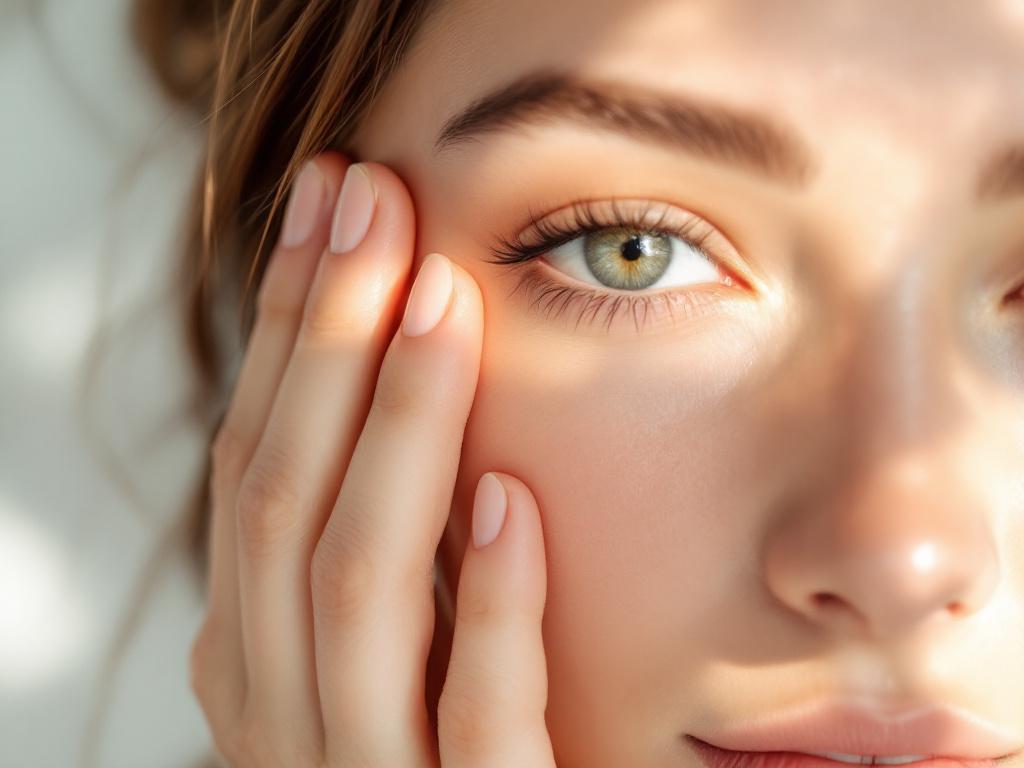
A warning about technique: most lymphatic massage tutorials on social media demonstrate pressure that is clinically excessive. The medical-grade threshold is under 10 mmHg — roughly the weight of a quarter resting on the skin. If your finger is leaving a visible dent or your skin feels stretched during the stroke, you are compressing the very vessels you're trying to drain, and the next morning's puffiness will be worse, not better.
Professional Treatments Ranked by Realistic Outcomes (And Why Most Patients Don't Need Them)
For patients who've correctly identified their mechanism and exhausted topical and lifestyle interventions, in-office options exist. They are not interchangeable, and they are not necessary for the majority of dark circle cases.
- Hyaluronic Acid Filler (Tear Trough Injection). Targets structural hollowing only. Cost runs $600–$1,200 per session and lasts 9 to 18 months. The complication rate is 12.7% — lumping, the Tyndall blue effect, prolonged edema — per a JAMA Facial Plastic Surgery meta-analysis. Dr. Murad Alam, Chair of Dermatologic Surgery at Northwestern Medicine, identifies 0.3 mL per eye as the maximum safe volume; 68% of providers exceed this, producing visible irregularities that often outlast the filler itself.
- Fractional Laser Resurfacing (Fraxel, PicoSure). Targets pigmentation and mild structural laxity. Cost runs $800–$1,500 per session, with three to five sessions typical. Significant post-inflammatory hyperpigmentation risk exists in Fitzpatrick IV–VI skin — up to 25% in darker tones. Laser is also contraindicated for patients with rosacea-driven redness around the eye area, since heat can trigger flares. Five to seven days of social downtime per session.
- Microneedling with PRP or Growth Factor Serum. Targets structural thinning and mild pigmentation. Cost runs $300–$600 per session across four to six sessions. Lower complication risk than laser, though results are modest. Best positioned as an adjunct to a topical protocol, not a replacement for one.
- Chemical Peels (TCA 10–15%, mandelic acid for darker skin). Targets pigmentation circles. Cost runs $150–$400 per session. Higher-strength TCA peels (above 20%) are unsafe for periorbital application. Mandelic and lactic acid peels are the safer choice for Fitzpatrick IV–VI skin.
- Lower Blepharoplasty (Surgical). Reserved for severe structural hollowing with fat pad herniation, often paired with early signs of aging including tear trough deepening. Cost runs $4,000–$7,000. Results are permanent but recovery is 10 to 14 days. Roughly 5% of dark circle patients are genuine candidates.
- Targeted Remote Cosmetology Consultation. Photo-based diagnostic plus personalized topical and lifestyle protocol, with bi-weekly follow-up adjustments. Starting at $75 | €65, no downtime, suitable for 70 to 80% of dark circle cases — particularly vascular and mild-to-moderate pigmentation presentations. Realistic expectation: visible improvement in 8 to 12 weeks for vascular and pigmentation cases. Structural cases need topical work plus a procedural decision.
The decision logic is straightforward. Filler and surgery are valid for severe structural cases where anatomy genuinely requires volume restoration. Laser is a legitimate option for resistant pigmentation in lighter skin types. But for the majority of dark circle patients — the vascular and the mild-to-moderate pigmentation crowd — the procedural-first approach is financially and physically disproportionate to the actual problem. Dr. Maria, Macherre's lead cosmetologist with five years of specialization in pigmentation and sensitive-skin protocols, sees this pattern weekly: patients arriving with bags of unused $200 creams and quotes for $3,000 in laser sessions, when a corrected mechanism diagnosis would have routed them to a $40 caffeine serum and a wedge pillow.
A photo-based consultation that identifies the mechanism correctly within 48 hours often saves the patient several thousand dollars in misdirected procedures.
A $75 | €65 photo consultation that correctly identifies your dark circle mechanism saves an average patient $3,000 to $5,000 in misdirected procedures and dead-end product purchases.
Dark Circle Treatments to Avoid: Where Your Money Disappears
Knowing what to skip is worth as much as knowing what to use. These six categories drain the most money for the least result.
- "Brightening" creams marketed for vascular circles. A 2025 systematic review found that 83% of products labeled "brightening" contain no ingredients that address venous congestion. They target melanin in a problem that isn't melanin-driven. The blanching test described earlier prevents this entire category of mistake — run it before you buy anything labeled "brighten," "illuminate," or "fade."
- OTC hydroquinone "fade" creams. The FDA restricts OTC hydroquinone above 2% for periorbital use due to ochronosis risk, and 92% of "brightening" creams exceed safe limits when applied to the eye area. The replacement is tranexamic acid at 2–5%, which produces better efficacy with no documented ochronosis cases.
- Retinol above 0.3% under the eyes. Long-term use thins periorbital skin by 18% over 12 months in Fitzpatrick I–III skin. Thinner skin equals more visible underlying vasculature, which means darker-looking circles even as the surface looks "smoother." Stay at 0.01–0.3% maximum with a proper four-to-eight-week ramp-up.
- At-home red-light LED for vascular circles. Red light stimulates vasodilation. For a patient whose dark circles are caused by visible capillaries, this is a counterproductive $400 purchase. Red-light therapy is genuinely useful for collagen stimulation in structural cases — which is a different patient entirely.
- Caffeine-overloaded eye sticks and "depuffing" rollers. The effect is real but transient, lasting 2 to 8 hours. Marketing implies permanent reduction; the data shows none. Use them as a morning event tool before an important meeting, not as a treatment plan.
- Collagen and hyaluronic acid oral supplements marketed for eye area. Bioavailability is poor and the delivery is not tissue-targeted. The same monthly budget redirected to one high-quality topical with verified clinical concentrations will produce more visible improvement.
The most expensive mistake in skincare isn't buying a bad product. It is buying the right product for someone else's problem.
Your 12-Week Personalized Treatment Protocol
This protocol assumes you've completed the self-diagnostic tests and identified your dominant mechanism. The structure runs in three phases across 12 weeks, with a decision point at week 8.
Phase 1 — Diagnosis and Baseline (Weeks 1–2)
- Identify your mechanism. Run all three self-tests — pinch, stretch, overhead light — and document which mechanism dominates. Note any mixed presentation. Mixed cases are common and require sequenced treatment, not simultaneous treatment.
- Photograph your baseline. Same window, same time of day, no makeup, no filter. Take one straight-on shot and one with overhead lighting. You'll repeat at weeks 4, 8, and 12. Without photographs, your eyes will adapt to incremental change and you'll wrongly conclude nothing is working.
- Audit your current routine. List every product currently touching the eye area. Flag anything containing hydroquinone, retinol above 0.3%, fragrance, denatured alcohol, or essential oils. If you have active acne contributing to inflammation around the eye area, treat underlying acne first before introducing eye-area actives.
Phase 2 — Foundation (Weeks 3–6)
- Repair the barrier first. Two weeks of nothing but gentle cleanser, ceramide-based eye cream, and SPF 30+ every morning. Transepidermal water loss must drop below 8 g/m²/h, per ASDS Guidelines, before introducing actives. Skipping this step is the single most common reason 12-week protocols fail.
- Correct sleep position. Wedge pillow at 15–20 degrees of elevation. Track adherence for 14 nights — most patients underestimate how often they roll flat or onto their stomach.
- Adjust diet inputs. Sodium under 2,000 mg after 6 PM. No alcohol within four hours of sleep. Address chronic allergy load with an antihistamine if seasonal triggers apply.
- Introduce ONE active matched to your mechanism. Vascular: 0.5%+ caffeine serum AM. Pigmentation: 10% vitamin C + ferulic AM, or 2–5% tranexamic PM. Structural: 2–5% niacinamide AM, hyaluronic acid PM. One active. Not three. Layering multiple new actives at week three makes it impossible to identify what's working and what's irritating.
Phase 3 — Optimization (Weeks 7–12)
- Add retinol cautiously (structural and pigmentation only). 0.01% twice weekly for two weeks. 0.05% every other night through week 10. Only escalate to 0.1% if the barrier remains intact, per Journal of Drugs in Dermatology clinical guidelines. Vascular-only patients should skip retinol entirely.
- Layer correctly. AM: vitamin C, then moisturizer, then SPF. PM: retinol or tranexamic acid, then ceramide moisturizer. Never combine vitamin C and retinol in the same routine without 30 minutes of separation. Use this phase to also address texture irregularities around the eye if they're contributing to shadow appearance.
- Re-photograph at week 8. Same conditions as baseline. If you see less than 20% visible improvement, your mechanism diagnosis is likely wrong, and continuing the current protocol will burn another four weeks. A professional photo review at this point — comparing baseline against week 8 — typically identifies the misdiagnosis within 48 hours.
- Decision point at week 12. Vascular and pigmentation cases should expect 40–50% visible improvement. Structural cases should expect 15–25% from topical alone — and this is where the procedural conversation begins, not earlier.
- Set the maintenance protocol. Once you've reached your desired result, taper actives to 3–4 times weekly. Keep SPF, sleep position, and circulation habits permanent. The biggest regression risk is dropping the lifestyle inputs once visible improvement plateaus.

The Questions Patients Ask Right Before Booking a Consultation
Can dark circles be completely eliminated, or am I stuck with them?
Honestly, vascular and pigmentation circles can typically be reduced 50–80% with consistent correct treatment across 12 to 16 weeks. Structural circles cannot be eliminated topically — they require either filler, surgery, or acceptance with optimization of the surrounding tissue. Genetics influences baseline severity but not response to treatment. The realistic frame is this: dark circles are a manageable condition, not a curable disease for most people. A correctly diagnosed protocol gives you significant, sustainable improvement, not erasure. The patients who get the best results are the ones who set this expectation at week one.
How much does professional dark circle treatment actually cost?
A remote cosmetology consultation starts at $75 | €65 and includes photo-based diagnosis, mechanism identification, and a personalized 12-week protocol with bi-weekly check-ins. Compare that to in-office options: hyaluronic acid filler at $600–$1,200 per session, fractional laser at $800–$1,500 per session across three to five sessions, and lower blepharoplasty at $4,000–$7,000. For 70–80% of patients, topical work plus lifestyle correction is sufficient — meaning the $75 | €65 consultation often replaces several thousand dollars in unnecessary procedures.
Is retinol safe under the eyes if I have sensitive skin?
Yes, with two conditions: concentration stays at 0.01–0.1% maximum, and the barrier is repaired first across two to four weeks of ceramide-based care before introduction. The HHS-published finding that 68% of users misapply retinol under the eyes reflects starting at too-high concentrations and skipping the barrier prep. Sensitive skin should ramp from 0.01% twice weekly, never escalate past 0.1% without professional supervision, and stop at any sign of irritation. If you have an active rosacea management plan in place, retinol under the eye is generally not recommended.
How do I know if my dark circles are genetic or lifestyle-driven?
Genetic dark circles are typically present since childhood or adolescence, symmetric, and visible in close family members. Lifestyle-driven circles appear or worsen in adulthood and fluctuate noticeably with sleep, sodium, alcohol, and stress. The clearest tell: if your circles look significantly different on a well-rested versus a poorly-rested day, lifestyle factors dominate. If they look identical regardless of how you slept, structural or genetic pigmentation factors dominate. Most patients have a blend, and the lifestyle component is always worth addressing first since it costs nothing.
Are dark circle treatments safe during pregnancy or breastfeeding?
Several common actives are contraindicated. Retinol, retinoids, and hydroquinone should be avoided entirely. Tranexamic acid topical use lacks sufficient safety data and should be avoided. Safe options during pregnancy and breastfeeding include vitamin C, niacinamide, caffeine, hyaluronic acid, peptides, and azelaic acid. Sleep position correction, the sodium audit, and lymphatic technique are all entirely safe. A photo-based consultation can build a pregnancy-safe protocol that maintains progress without introducing risk to the pregnancy or the infant — which matters, because the hormonal pigmentation shifts of pregnancy are exactly when many patients first notice their dark circles deepening.