


Best Chemical Peels for Hyperpigmentation: A Dermatologist's Guide
This article is educational and does not diagnose a condition or replace care from a qualified medical professional.
You have spent six months on the serum-and-sunscreen routine. The vitamin C is religious. The SPF goes on before coffee. And the dark patches on your cheekbones, the post-acne shadows along your jaw, the sun spots that surfaced after one careless August — they have softened, maybe, but they have not gone. At this point you are weighing skin peels for hyperpigmentation, and the choice is not obvious. Glycolic or salicylic? At-home or in-clinic? TCA on darker skin or not? This guide pairs the four peel chemistries with pigmentation type, Fitzpatrick skin tone, and realistic timeline, so you walk into a consultation — or a checkout cart — knowing exactly what to ask for and what to refuse.
Table of Contents
- Why Hyperpigmentation Responds to Peels
- Four Peel Chemistries Ranked by Efficacy
- Professional vs. At-Home Peels
- The Peel Protocol Dermatologists Actually Use
- Skin Tone and Pigmentation Type
- The Pre-Booking Checklist
Why Hyperpigmentation Responds to Peels
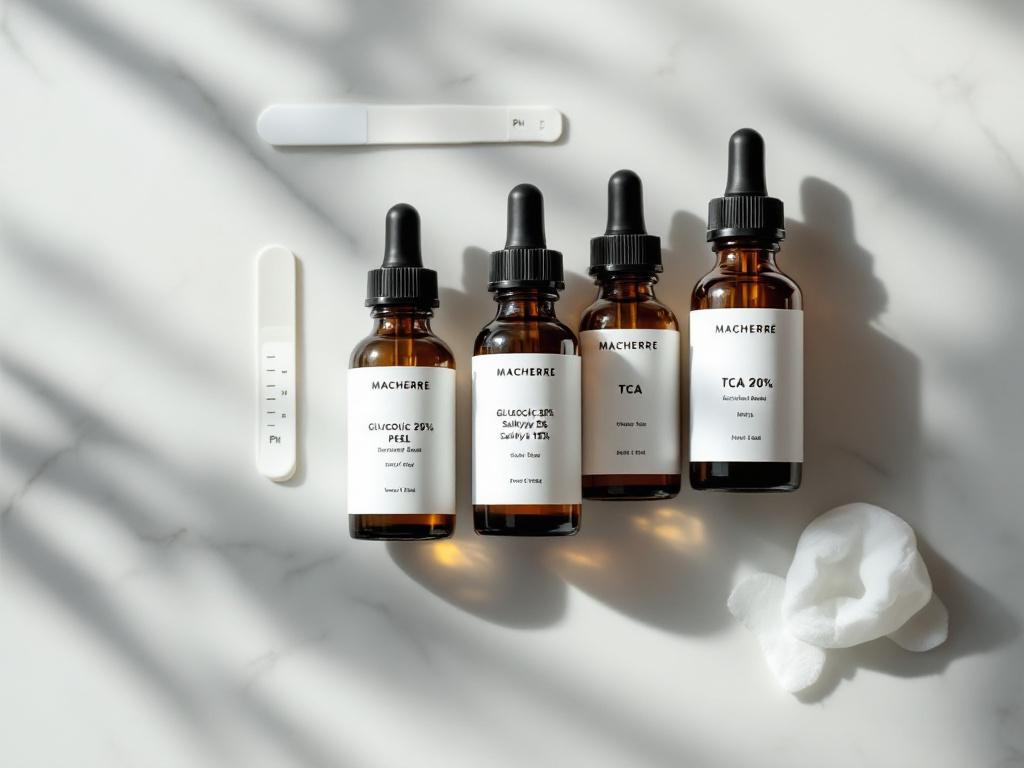
Skin peels for hyperpigmentation work on two fronts at once, which is why they outperform most topicals when discoloration has plateaued. Hyperpigmentation is excess melanin deposited at varying depths in the skin. Topicals like vitamin C, niacinamide, and hydroquinone suppress melanin synthesis at the cellular level, but they cannot physically lift pigment that has already been laid down in the epidermis. Peels do both: keratolytic acids dissolve the corneocyte bonds that trap pigmented cells — accelerating turnover so the discolored cells shed faster — while simultaneously inhibiting tyrosinase, the enzyme that drives new melanin production. That dual mechanism is what makes a peel different from another bottle of brightening serum.
Pigmentation is not one condition. It is three, and the depth of melanin deposition dictates which peel will reach it.
Solar lentigines — the discrete brown spots that follow years of unprotected sun exposure — sit in the epidermis. They are shallow, well-defined, and generally responsive to superficial-to-medium peels.
Post-inflammatory hyperpigmentation (PIH) — the dark marks left behind after acne, ingrown hairs, or any cutaneous trauma — is mostly epidermal but can extend into the upper dermis when inflammation has been chronic. PIH responds well to superficial peels delivered on a consistent cadence. If you are tracking post-acne and discoloration specifically, peel selection is straightforward — the harder problem is sequencing peels around any active acne.
Melasma is the difficult one. Mixed epidermal and dermal melanin, often hormonally driven by pregnancy, oral contraceptives, or HRT. It requires medium-depth peels combined with topical suppression and a strict photoprotection regimen — and even then, it tends to return. Melasma in patients of darker skin tones carries a deeper dermal component, which raises the stakes of peel selection considerably.
Peel depth tiers, then, line up against pigmentation depth as follows. Superficial peels — glycolic 20–30%, salicylic 15–20%, lactic — reach the stratum corneum to upper epidermis. Medium-depth peels — TCA 35–40%, Jessner's, glycolic at higher strengths — reach the papillary dermis. Deep peels — phenol, TCA 50%+ — reach the reticular dermis and are rarely indicated for hyperpigmentation alone, because the risk-to-benefit ratio is poor. According to clinical guidance from Eternal Dermatology, superficial peels are the safest choice across all skin types, while deep peels require weeks of preparation to ensure faster healing and a usable success rate.
Strength is not the only variable that matters. pH, contact time, neutralization, and pre-peel priming all dictate the actual depth a peel achieves. A 30% glycolic at pH 2.0 left on for five minutes penetrates further than the same 30% glycolic at pH 3.5 left on for two minutes. This is why professional application differs meaningfully from at-home — the operator controls these variables, and the variables determine whether you are clearing pigment or just irritating skin.
One credible critique deserves a place in your decision before you book anything. According to research published in PMC/NIH, one study found "no added benefit with a combination of GA peels and 4% hydroquinone as compared to 4% hydroquinone alone." Translation: peels are not magic. For some patients, a disciplined topical regimen achieves outcomes comparable to a peel series. Where peels earn their place is in acceleration — when topicals have plateaued, or when discoloration is too deep or too widespread for suppression alone to clear in a reasonable time.
Four Peel Chemistries Ranked by Efficacy
Acid choice matters more than concentration for matching peel to pigmentation type. A 30% glycolic on melasma in Fitzpatrick V skin is the wrong tool no matter how well it is applied. Below are the four most-prescribed peel chemistries for hyperpigmentation, ranked by clinical efficacy and safety across skin tones.
| Peel Type | Active Ingredient | Depth | Best For | Skin Tone Safety |
|---|---|---|---|---|
| Glycolic Acid (AHA) | Glycolic 20–30% pro; 5–10% OTC | Superficial | First-time users, mild PIH, sun spots on fair skin | All Fitzpatrick types |
| Salicylic Acid (BHA) | Salicylic 15–20% pro; 1–2% OTC | Superficial | Acne-related PIH, oily skin, Fitzpatrick IV–VI | Preferred for darker tones |
| Jessner's Solution | Lactic + salicylic + resorcinol | Superficial-to-medium | Melasma, layered hyperpigmentation | Safe for IV–VI with experienced provider |
| TCA | Trichloroacetic acid 15–20% (darker); 20–35% (fair) | Medium | Stubborn melasma, deep solar lentigines | Capped at 15–20% on darker skin |
Sources: Eternal Dermatology, DaVida Medical & Aesthetics, Cronin Dermatology, PMC/NIH.
Glycolic is the entry-point peel, not the strongest one. Glycolic acid has the smallest molecular weight of the AHAs, which is why it penetrates fastest and dominates the at-home market. It is the right choice for first-time users and mild discoloration, and it is the cheapest acid to formulate. The plateau is real, though — patients with stubborn melasma rarely get full clearance from glycolic alone. The PMC/NIH analysis noted glycolic peels produced "more rapid and greater improvement" with statistical significance (P < .001) versus untreated controls, but the magnitude was modest, and the same paper flagged that adding glycolic to hydroquinone offered no measurable advantage over hydroquinone alone.
Salicylic is the safer choice for darker skin tones. Salicylic acid is lipid-soluble — it dissolves into sebum and reaches the follicular unit, which is where post-acne pigmentation often originates. It is anti-inflammatory by nature, and that property matters disproportionately for Fitzpatrick IV–VI patients. Clinical guidance from Cronin Dermatology notes that salicylic acid "is less likely to cause inflammation to the skin, reducing the chances of the treatment causing additional PIH." For acne-related discoloration on medium-to-deep skin tones, salicylic is the default unless there is a specific reason to deviate.
Jessner's punches above its weight because of layering. The lactic + salicylic + resorcinol blend penetrates deeper than any single-acid superficial peel, and operators control depth by applying one, two, or three coats. That dial-in capacity is what makes Jessner's particularly useful for mixed-depth melasma — cases where a single-acid superficial peel is not enough but TCA carries too much risk. Downtime is meaningful — five to seven days of visible peeling — but the depth-versus-risk profile is the most favorable of any medium-tier option.
The most effective peel is not the strongest one — it is the one matched to your pigmentation depth, skin tone, and inflammatory threshold.
TCA is the gold standard for stubborn cases — and the most dangerous on darker skin. TCA causes protein coagulation rather than just keratolysis, which produces more dramatic clearance per session than any AHA or BHA. For solar lentigines and sun-induced pigmentation on Fitzpatrick I–III skin, one to three TCA sessions at 20–25% can outperform a six-month glycolic series. But on Fitzpatrick IV–VI, TCA above 25% is associated with the highest complication rates of any peel chemistry — hypopigmentation and scarring risks are not theoretical. Eternal Dermatology specifies that TCA at 25% and above "causes the most damage to dark skin," which is why responsible providers cap TCA at 15–20% for those patients regardless of how stubborn the pigmentation is.
Honorable mention — salicylic-mandelic combination peels (SMP). PMC/NIH research found SMP "more efficacious for both active acne and post-acne hyperpigmentation" than glycolic alone. Mandelic acid has the largest molecular weight of the AHAs, which slows penetration and reduces irritation — a useful property when paired with salicylic's follicular reach. If your primary concern is PIH from acne, ask your provider about SMP specifically. It is underprescribed relative to its evidence base.
Professional vs. At-Home Peels
The depth difference between a professional peel and an at-home peel is not just about acid concentration. It lives in pH, contact time, and operator control — three variables that the FDA restricts at the OTC level for safety reasons.
| Variable | Professional Peels | At-Home Peels |
|---|---|---|
| Glycolic concentration | 20–30% (up to 40% for fair skin) | 5–10% maximum |
| Salicylic concentration | 15–20% | 1–2% |
| TCA availability | Yes, clinic only | Not available |
| pH range | 1.5–2.5 (controlled) | 3.5–4.0 (buffered) |
| Depth achieved | Superficial-to-medium | Stratum corneum only |
The pH and contact-time argument matters more than the concentration on the bottle. At-home peels are buffered to a higher pH (3.5–4.0) by regulation — and that buffering dramatically slows penetration. A 10% glycolic at pH 4 behaves more like a 3% glycolic at pH 2 in terms of actual depth reached. The label number is misleading without pH context, which is why direct comparison between an at-home "30% glycolic" pad and a professional 20% glycolic peel almost always favors the professional formulation.
Neutralization is the second invisible variable. Professional peels are stopped at a clinically determined endpoint — frosting for TCA, a specific erythema pattern for AHAs. At-home peels rely on rinse-off timing, which means too short produces no effect and too long produces irritation without proportional benefit. There is no endpoint signal a non-professional can reliably read.
The decision rule, then, is not at-home versus professional in the abstract. It is at-home versus professional for your problem.
At-home is enough for mild PIH from a single breakout, for maintenance after a professional series, and for prevention of new sunspots in fair skin paired with religious SPF use. At-home is not enough for melasma persisting two or more years, for hyperpigmentation covering more than roughly 30% of the face, for post-inflammatory marks that have not faded after six months of disciplined topical treatment, or for any pigmentation on Fitzpatrick V–VI skin where amateur application risks worsening the problem you are trying to fix. Patients with sensitive or reactive skin should be especially cautious about at-home peels — barrier compromise from over-exfoliation produces rebound pigmentation that is harder to clear than the original.
The Cleveland Clinic safety note belongs in this calculation. According to Cleveland Clinic guidance, patients with darker skin "have a greater risk of experiencing a darkening of your skin after treatment" and should "get the advice of your dermatologist about other less aggressive treatments." Translation: at-home is doubly risky on darker skin. The wrong product or simple overuse can produce the exact problem you are trying to fix, and at higher intensity than where you started.
The Peel Protocol Dermatologists Actually Use
The peel itself is roughly 40% of the result. The other 60% is what you do in the two weeks before and the eight weeks after. The protocol below is the standard sequence used in dermatology clinics treating hyperpigmentation, with timing that determines outcomes.
Step 1 — Pre-Peel Priming (2–4 weeks before)
Two weeks minimum for fair skin, four weeks for Fitzpatrick IV–VI to reduce post-peel PIH risk. Daily retinoid — tretinoin 0.025–0.05% or adapalene 0.1% — to thin the stratum corneum and accelerate baseline turnover. Add a tyrosinase inhibitor: hydroquinone 4% for melasma, kojic acid, or azelaic acid 10–20%. Strict daily SPF 50+ is non-negotiable — sun exposure during priming actively undoes the peel before it happens. Stop the retinoid three to five days before peel day to reduce excessive irritation. Clinical practice guidance from DaVida Medical & Aesthetics confirms this two-week minimum priming window across most superficial peel protocols.
Step 2 — Peel Selection by Profile
First-time + sensitive skin: glycolic 20%. Acne-related PIH or oily skin: salicylic 15–20%. Melasma + Fitzpatrick IV–VI: Jessner's or TCA 15% (clinic only). Solar lentigines + fair skin: TCA 20–25%. Stubborn melasma three or more years old: combination protocol — Jessner's followed by TCA spot treatment, clinic only and only with a provider who has documented experience treating your skin tone.
Step 3 — Frequency Cadence
Glycolic: weekly for 4–6 weeks, then monthly maintenance. Salicylic: bi-weekly for 6–8 weeks. TCA: monthly for 3–6 months, never closer. Jessner's: every 4–6 weeks. The critical caveat: do not stack peel types in the same week. Rotating glycolic and salicylic on alternate weeks is safe; rotating TCA with anything else within a month is not. If a clinic offers to combine TCA with another acid in the same session without an explicit Jessner's-then-TCA spot protocol, that is a signal to pause and ask why.
Step 4 — Day-Of Application Standards
Skin is degreased with acetone or alcohol prep. Acid is applied with a controlled gauze or brush, observed for endpoint signs — erythema for AHAs, frost for TCA. Peel is neutralized at the clinical endpoint, typically three to seven minutes for AHAs, immediately upon Level I frost for TCA. Cooling compress applied. Patient is instructed not to wash for six or more hours.
Step 5 — Post-Peel Recovery (Days 1–14)
Days 1–3: gentle cleanser only, occlusive moisturizer (Aquaphor or Cerave Healing Ointment), zero actives. Days 4–7: peeling phase — do not pick. Picking causes PIH worse than the original problem you came in for. Days 7–14: reintroduce gentle hydration with hyaluronic acid and ceramides; this is also the window where dehydrated skin recovery accelerates if the right barrier-repair products are layered in. Skip the retinoid until your provider clears reintroduction. SPF 50+ mineral — zinc oxide or titanium dioxide — every two hours during daylight, indoors and out. UVA passes through window glass and triggers melasma even on cloudy days. Cleveland Clinic guidance reinforces this point as the single most important post-peel behavior across all skin types.
Skip post-peel SPF and you have not just wasted the peel — you have actively given yourself worse pigmentation than you started with.
Step 6 — Realistic Results Timeline
Week 4: visible fading of superficial spots, especially solar lentigines. Week 12: roughly 50% improvement reported for most superficial-peel protocols, per DaVida's clinical timeline. Week 16–20: full results from a 4–6 session series. Melasma runs longer — expect six or more months of combined peel + topical work to see meaningful reduction, and accept that melasma often returns with sun exposure or hormonal triggers regardless of treatment success. Patients also concerned with early signs of aging often see a useful side benefit in skin texture and tone uniformity over the same arc, which is why combined-indication protocols are common.
Skin Tone and Pigmentation Type
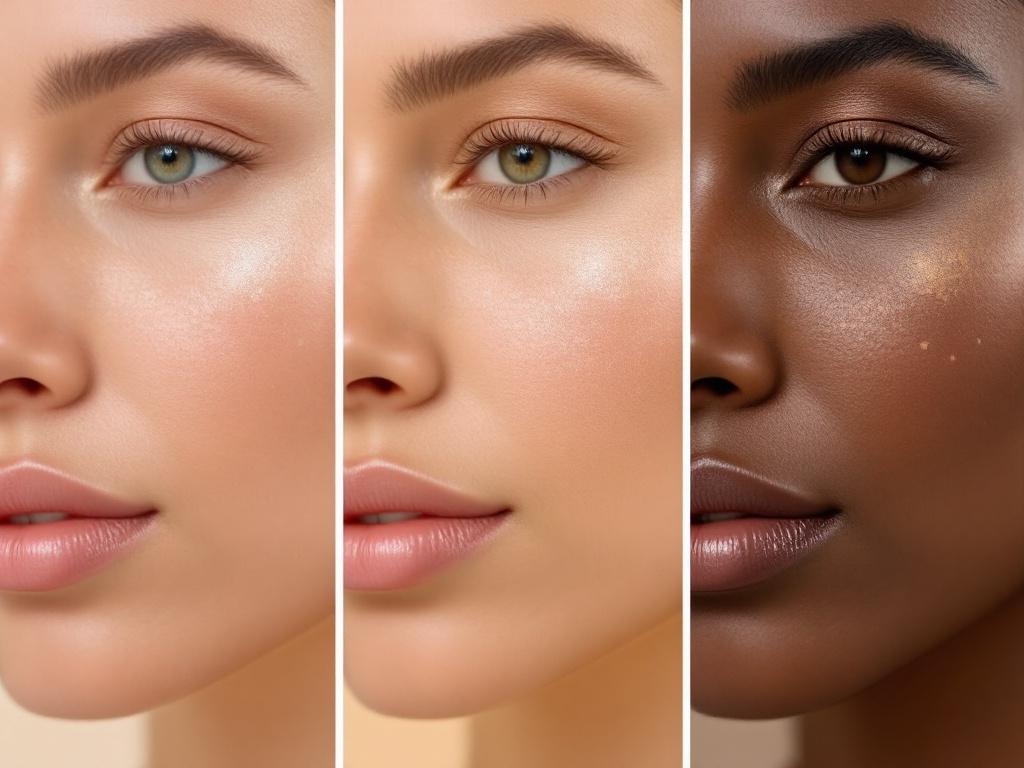
The single largest mistake in peel selection is applying fair-skin protocols to darker skin tones, or applying generic peels without accounting for whether the pigmentation is hormonal, post-inflammatory, or sun-induced. Below are four profiles with the specific concentration adjustments and priming protocols that experienced dermatologists use. If a clinic offers you the same peel regardless of profile, walk out.
Profile 1 — Melasma + Fitzpatrick IV–VI (darker skin tones)
- TCA capped at 15%, never higher. TCA above 25% on darker skin produces the highest complication rates of any peel chemistry, and clinical guidance from Eternal Dermatology is explicit that 25%+ "causes the most damage to dark skin."
- Salicylic 20% preferred over glycolic — lower irritation profile, lower PIH-rebound risk.
- Extended pre-peel priming: four weeks of kojic acid + azelaic acid 15% + hydroquinone 4% under clinical supervision, not two.
- Expect a longer treatment arc — six months minimum for visible melasma reduction, with the understanding that maintenance is permanent.
- Stop the topicals or stop the SPF and melasma returns within months, regardless of how well the peel series went.
Profile 2 — Post-Inflammatory Hyperpigmentation + Medium Skin (Fitzpatrick III–IV)
- Glycolic 20–30% is sufficient for most cases — fastest recovery, lowest cost.
- Escalate to TCA 10–15% only if glycolic plateaus after eight weeks of consistent application.
- Salicylic-mandelic combination peels show stronger results than glycolic alone for post-acne PIH per the PMC/NIH research cited earlier — worth requesting by name.
- If active acne is still present, treat the acne first. Peeling over active inflammatory acne worsens PIH rather than clearing it.
- Realistic expectation: 4–6 sessions over 12–16 weeks for full clearance.
Profile 3 — Solar Lentigines + Fair Skin (Fitzpatrick I–III)
- TCA 20–25% is the gold standard — penetrates the discrete pigment cluster and clears in 1–3 sessions, which is the fastest cost-benefit return of any profile in this guide.
- Alternative: professional glycolic 30–40% for patients who want lower downtime at the cost of more sessions.
- PIH risk lower than darker skin types but not zero — still requires SPF 50+ post-peel, daily, indefinitely.
- Recovery: 5–7 days versus 10–14 for darker skin patients.
- This is the profile where at-home maintenance peels (proper formulation, disciplined SPF) genuinely extend results between professional sessions.
Profile 4 — Reactive / Sensitive Skin Across All Tones
- Start with lactic acid 10–15% rather than glycolic — larger molecular weight, gentler penetration, far lower irritation ceiling.
- Avoid TCA entirely until barrier function is rebuilt — typically 8–12 weeks of barrier repair with ceramides, niacinamide, and no actives.
- Patch-test every new peel on the jaw line 48 hours before full-face application. This rule is not optional for this profile.
- If rosacea is present, peels are usually contraindicated outside of very specific lactic acid protocols — discuss with a board-certified dermatologist before booking anything.
- Sensitive skin patients are the population where at-home peels cause the most damage, because the products marketed for "gentle" exfoliation often contain combinations that compound irritation in compromised barriers.
Wrong concentration on darker skin produces hypopigmentation that can be permanent. Wrong concentration on reactive skin produces rebound melasma worse than the original. Wrong concentration on fair skin wastes money on a peel too gentle to clear what topicals could not. Peel selection is a clinical decision that requires accurate self-assessment — or, ideally, a dermatologist's evaluation — before booking. It is not a menu pick.
The Pre-Booking Checklist
If you have read this far, you know your hyperpigmentation type, the appropriate acid, and the correct concentration for your skin tone. The workflow below converts that knowledge into the right appointment.
Self-Diagnostic Questions
Answer all six before you book anything:
- What is my hyperpigmentation type? (Melasma / solar lentigines / PIH / mixed)
- How long has it been present? (Under 1 year / 1–3 years / 3+ years)
- What is my Fitzpatrick skin tone? (I–III fair / IV–V medium-deep / VI deep)
- Is my skin reactive or barrier-compromised right now? (Yes / no)
- What is my realistic timeline tolerance? (4 weeks / 12 weeks / 6+ months)
- Is the pigmentation hormonally driven — pregnancy, oral contraceptives, HRT? (Yes / no)
Decision Matrix
Match your answers to the right peel:
| Your Profile | Recommended Peel | Setting |
|---|---|---|
| First peel + sensitive skin | Glycolic 20% or lactic 15% | At-home or pro |
| PIH + medium skin + 12-week goal | Salicylic 20% or SMP | Professional |
| Melasma + Fitzpatrick IV–VI | Jessner's or TCA 15% | Professional only |
| Sun spots + fair skin + fast results | TCA 20–25% | Professional |
| Stubborn 3+ year melasma | Jessner's + spot TCA combo | Dermatologist |
Provider Vetting Checklist
Before you put down a deposit, work through every item:
- Confirm the provider is a board-certified dermatologist or licensed esthetician with documented experience on your skin tone — ask for before/after photos of patients matching your Fitzpatrick type.
- Confirm the clinic stocks the specific peel strength you need. Do not accept "we use one peel for everyone."
- Ask which acid concentrations they use for Fitzpatrick V–VI patients. If they answer the same as fair skin, leave.
- Confirm pre-peel priming protocol — retinoid plus tyrosinase inhibitor — is part of the program. Clinics that skip priming are skipping the most important phase of the treatment.
- Block 10–14 days of recovery for TCA, 5–7 for Jessner's, 1–3 for AHA/BHA. Do not book a TCA peel five days before a wedding.
- Pre-purchase mineral SPF 50+ (zinc oxide or titanium dioxide) before your appointment, not after.
If you are also addressing skin texture or blackheads and whiteheads alongside pigmentation, raise it during consultation — sequencing matters, and combined-indication protocols differ from single-indication ones.
The Single Question That Reveals a Bad Clinic
Ask: "What concentration of TCA do you use on Fitzpatrick V or VI skin?"
If the answer is anything above 20%, walk away. If they cannot answer the question, walk away. The right answer is 15%, sometimes 20%, with extended priming and a slow cadence. This single question separates clinics that understand pigmentation from clinics that sell peels — and it is the difference between clearing the discoloration you came in for and producing a worse version of the same problem six weeks later.