





The Best Sunscreen for Hyperpigmentation: A Dermatologist-Approved Guide
This article is educational and does not diagnose a condition or replace care from a qualified medical professional.
Why Your Hyperpigmentation Keeps Coming Back Despite Your Skincare Routine
You have invested in the vitamin C serum. You added niacinamide. Maybe you escalated to azelaic acid, or a prescription tyrosinase inhibitor. The spots faded over six to eight weeks — then a single weekend at an outdoor lunch, or three months of unprotected window-side desk work, brought them back. This pattern is not a skincare failure. It is a photoprotection failure, and the right sunscreen for hyperpigmentation is the single variable that decides whether your other treatments hold or unravel.

Hyperpigmentation doesn't fade despite the sun — it deepens because of it, and the wrong sunscreen accelerates the cycle instead of breaking it.
The mechanism is specific. UVA radiation (320–400 nm) penetrates past the epidermis into the dermis and stimulates melanocytes directly through reactive oxygen species pathways. This is the wavelength most responsible for melasma worsening and post-inflammatory hyperpigmentation (PIH) recurrence. According to the FDA Sunscreen Final Rule, a product can claim "broad-spectrum" by passing a UVA protection test pegged at one-third of the labeled SPF — a threshold that often falls short for pigmentation-prone skin.
What follows is not generic SPF advice. You will find ingredient thresholds rather than vague "broad-spectrum" reassurance, formulation matched to skin condition, application volumes calibrated to the ISO 24444:2019 testing standard, and the specific pairings between sunscreen and active pigmentation treatments that decide whether your routine works. Whether you are addressing post-acne and discoloration or melasma triggered by hormonal shifts, the same photoprotection logic applies.
In five years of treating pigmentation remotely through Macherre Medical Center, the single most common reason patient progress stalls is incorrect sunscreen selection — not the absence of sunscreen, but the wrong one for reactive, pigmented skin.
Table of Contents
- The UV-Melanin Cascade: Why Standard Broad-Spectrum SPF Isn't Enough
- Mineral vs. Chemical Sunscreen for Pigmented Skin: An Evidence-Based Comparison
- The Ingredient Checklist: What Belongs in a Hyperpigmentation Sunscreen
- Choosing Your Formulation: Powder, Lotion, Cream, Tinted, or Hybrid
- The Application Protocol That Matches How Sunscreen Is Actually Tested
- Pairing Sunscreen With Active Pigmentation Treatments
- Sunscreen Selection by Skin Type and Pigmentation Pattern
- Your Hyperpigmentation Sunscreen Action Plan
- Frequently Asked Questions
The UV-Melanin Cascade: Why Standard Broad-Spectrum SPF Isn't Enough for Pigmented Skin
Reactive skin faces three distinct wavelength threats, and a sunscreen optimized for one is not automatically optimized for the others.
UVB (290–320 nm) is the burn wavelength. It causes direct DNA damage and erythema, and it is what most sunscreens are formulated to block efficiently. SPF 30 attenuates roughly 97% of UVB; SPF 50 attenuates roughly 98%. These figures come from the standardized SPF test described in the FDA Sunscreen Monograph and ISO 24444 — and they are accurate at the laboratory application density of 2 mg/cm². At real-world application densities, those numbers fall sharply, which is a separate problem covered later.
UVA (320–400 nm) is the pigmentation wavelength. It penetrates deeper into the skin, reaches the dermal melanocytes, and activates them through reactive oxygen species generation and α-MSH (melanocyte-stimulating hormone) signaling. The regulatory issue: the FDA's "broad-spectrum" designation requires a product to pass a UVA test calibrated at roughly one-third the labeled SPF. An SPF 50 product can technically claim broad-spectrum with a Persistent Pigment Darkening (PPD) rating in the range of 16 — adequate for general burn prevention, insufficient for melasma-prone skin where the ceiling should sit much higher.
Visible light, particularly high-energy visible (HEV) light at 400–500 nm, is the wavelength that even diligent sunscreen users miss. Research published in the Journal of Investigative Dermatology (Mahmoud et al.) demonstrated that visible light induces sustained pigmentation in Fitzpatrick skin types III–VI through a pathway mechanistically distinct from UV. Standard sunscreens — both mineral and chemical — block essentially zero visible light. This explains the patient who applies SPF 50 religiously and still watches her melasma deepen over a summer. For solar-induced age spots and hyperpigmentation, the cascade described below is the underlying mechanism that any sunscreen choice has to interrupt.
The cascade itself, translated from photobiology to practice:
- UV or HEV photon reaches the skin
- Reactive oxygen species (ROS) generate in keratinocytes and melanocytes
- Inflammatory signaling cascades release α-MSH
- Tyrosinase — the rate-limiting enzyme in melanin synthesis — is upregulated
- Melanin is deposited, either in the epidermis (typical PIH) or the dermis (refractory melasma)
- The pigment becomes visible over days to weeks; new exposure restarts the cycle before the previous one fades
The critical point for reactive skin: this cascade triggers at sub-erythemal doses. You do not need to burn — or even to feel warm — for melanocytes to fire. Cumulative low-dose exposure through windows, on cloudy days, and during short outdoor errands is enough.

One claim worth handling honestly: some sources state that chemical sunscreens worsen melasma because UV-to-heat conversion at the skin surface independently stimulates melanin. This mechanism is plausible — heat is a known melanogenic stimulus in some experimental models — but it is not robustly proven in peer-reviewed randomized trials for sunscreen specifically. The stronger evidence-based case for preferring mineral filters in pigmentation-prone skin rests on two points: more reliable coverage across the long-UVA range (370–400 nm), and lower irritation potential in reactive skin. The heat hypothesis is a supporting argument, not the foundation.
Mineral vs. Chemical Sunscreen for Pigmented Skin: An Evidence-Based Comparison
First, a clarification that gets lost in beauty marketing: chemical (organic) UV filters are not unsafe for the general population. Avobenzone, octocrylene, octinoxate, oxybenzone, and homosalate have all been reviewed by the Cosmetic Ingredient Review Panel and approved under the FDA Sunscreen Monograph at specified concentrations. The question for hyperpigmentation is not whether chemical filters are dangerous. The question is whether they are suitable for skin that flares pigment in response to inflammation.
| Criterion | Mineral Sunscreen | Chemical Sunscreen |
|---|---|---|
| UV mechanism | Reflects and scatters UV at surface | Absorbs UV; releases as lower-energy heat |
| Long-UVA (370–400 nm) coverage | Excellent with zinc oxide | Variable; depends on filter combination |
| Photostability | Indefinite — no degradation | 2–8 hours, stabilizer-dependent |
| Onset of protection | Immediate upon application | Requires 15–20 minutes to bind |
| Irritation in reactive skin | Low | Moderate to higher |
| FDA-allowed max concentration | Zinc oxide 25%; titanium dioxide 25% | Varies (e.g., avobenzone up to 3%) |
| Cosmetic challenge | Potential white cast | Generally invisible |
| Best suited for | Melasma, PIH, rosacea, sensitive skin | Non-reactive skin, athletic use |
For reactive, pigmented skin, the choice between mineral and chemical isn't about safety — it's about which formula gives your melanocytes the fewest reasons to react.
Several details in this comparison deserve more than a table row. Non-nano zinc oxide at 10–20% delivers complete coverage across UVB, UVA-II, and the long-UVA range (370–400 nm) where many chemical filter combinations underperform. The FDA monograph permits up to 25%, but most clinical formulations land at 12–20% to balance protection with cosmetic feel. Non-nano specifies particle size above 100 nm, which addresses (largely unsupported) penetration concerns and preserves reef-safety designations where regulated.
Photostability is the second decisive factor. Unstabilized avobenzone — the strongest FDA-approved chemical UVA filter — loses a significant fraction of its efficacy within the first hour of UV exposure. EU formulations solve this with filters like Tinosorb S and Tinosorb M (not FDA-approved in the United States), per European Commission SCCS opinions. US-market chemical sunscreens compensate using octocrylene, polyester-8, or encapsulation. If the chemical sunscreen in your bathroom lists avobenzone but no stabilizer, the protection you think you are getting at hour three is closer to half what you started with.
The honest trade-off on the mineral side is the white cast. Newer micronized zinc formulations have largely resolved this for Fitzpatrick I–III, but it remains a real adherence barrier for Fitzpatrick IV–VI. Tinted mineral with iron oxides is the cleanest solution — it eliminates the white cast and adds visible light protection in the same step.
On cost: a dedicated hyperpigmentation treatment course (hydroquinone, prescription tranexamic acid, professional chemical peels) typically runs $150–500+ per month. A quality mineral sunscreen at $20–40 protects that investment. Reframed that way, the math on a "premium" SPF is roughly 10–25% of monthly treatment cost, and skipping it is the most expensive savings in skincare. Patients with concurrent sensitive skin almost always tolerate mineral formulations better, and this is particularly true for clients managing rosacea alongside pigmentation.
The Ingredient Checklist: What Belongs in a Hyperpigmentation Sunscreen (and What to Eliminate)
Read the back of any sunscreen you own. The active ingredient panel — listed by name and concentration under FDA labeling rules — tells you almost everything you need before any marketing claim on the front of the bottle.
- Non-Nano Zinc Oxide at 10–20%. The only single filter that delivers complete UVB + UVA-I + UVA-II coverage across roughly 280–400 nm. The FDA monograph permits up to 25%; clinical formulations typically use 10–20% to balance efficacy and cosmetic feel. The non-nano specification (particle size above 100 nm) addresses penetration concerns raised in older literature and is required to maintain reef-safety designations in jurisdictions like Hawaii.
- Titanium Dioxide at 2–10% (Often Combined With Zinc). Effective in the UVB and short-UVA range but less reliable past 350 nm. Best used in combination with zinc oxide rather than as standalone protection for pigmentation. The FDA monograph allows up to 25%, but you rarely see standalone titanium products targeting hyperpigmentation — the long-UVA gap matters too much.
- Iron Oxides (Red, Yellow, Black) — The Visible Light Defense. Tinted formulations containing iron oxides reduce visible-light-induced pigmentation in Fitzpatrick III–VI skin, per Mahmoud et al. and follow-up research in JAAD. The regulatory honest note: iron oxides are FDA-recognized as color additives, not as UV filters. Their photoprotective effect in the visible spectrum is supported by peer-reviewed evidence even without formal sunscreen-filter status. If you have visible melasma or PIH and your sunscreen is untinted, you are missing the only widely available visible-light defense.
- Stabilized Avobenzone (If Chemical Is Preferred). Avobenzone is the strongest FDA-approved chemical UVA filter, but it photodegrades rapidly without stabilization. Look for it paired with octocrylene, polyester-8, or encapsulation technology. Without a stabilizer system, expect significant efficacy loss within 1–2 hours — meaning the SPF 50 on your label becomes something less halfway through a workday.
- Antioxidant Complex (Vitamin E, Vitamin C, Ferulic Acid, Niacinamide). Sunscreen blocks the majority of UV but never 100%; antioxidants neutralize the ROS produced by transmitted photons. Niacinamide additionally inhibits melanosome transfer from melanocytes to keratinocytes — a clinically established anti-pigmentation mechanism. A sunscreen with built-in antioxidants is doing two jobs.
- Lightweight, Non-Comedogenic Vehicle. Hyperpigmented skin frequently co-presents with acne or oily tendencies. Occlusive vehicles can trap heat and trigger inflammatory breakouts, which produce more PIH. Look for "non-comedogenic" labeling and fluid, lotion, or gel textures. Patients with concurrent acne require vehicles that don't aggravate breakouts — especially relevant when managing blackheads and whiteheads alongside discoloration.
- Avoid: Oxybenzone, Octinoxate, and Unstabilized Avobenzone. Oxybenzone and octinoxate are FDA-approved but face restrictions in Hawaii, the Florida Keys, and several international jurisdictions for coral toxicity. More relevant to your skin: they have higher contact dermatitis rates in reactive populations per CIR Panel data, and any inflammation in pigmentation-prone skin risks fresh PIH.
- Avoid: Denatured Alcohol (Alcohol Denat.) in High Concentrations. Frequently used in chemical sunscreens for a quick-dry feel; high concentrations compromise barrier function. A disrupted barrier is more reactive to UV and more prone to inflammatory pigmentation cascades. Small amounts as solvent are unavoidable; alcohol denat as one of the first three ingredients is the warning sign.
Choosing Your Formulation: Powder, Lotion, Cream, Tinted, or Hybrid
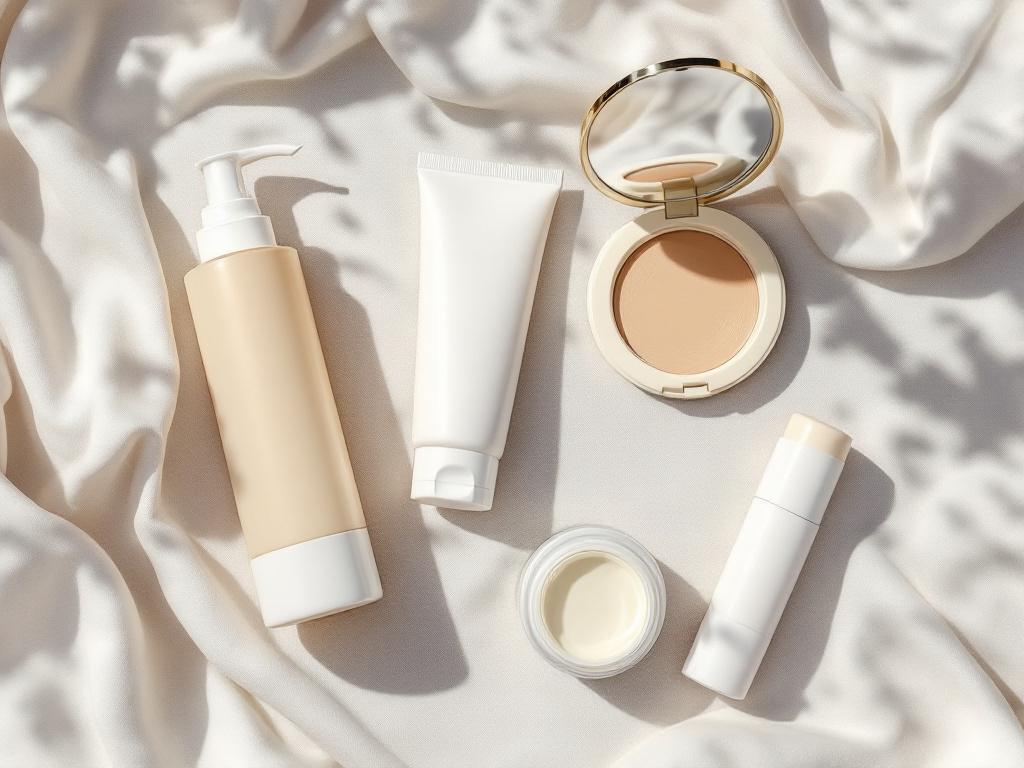
The best sunscreen formulation is the one you will actually reapply. Adherence drives outcomes more than any single ingredient choice, and adherence varies sharply by texture, finish, and how easily the product travels with you.
| Format | Texture/Finish | Reapplication Practicality | Best Suited For |
|---|---|---|---|
| Mineral fluid lotion | Lightweight, slight satin | Moderate (fresh layer needed) | Daily base for most skin |
| Tinted mineral cream | Foundation-like, tinted | Moderate | Visible melasma, PIH |
| Mineral powder SPF | Matte, translucent or tinted | High (over makeup) | Touch-ups, oily skin |
| Mineral cream | Rich, occlusive | Lower | Dry, mature, winter skin |
| Hybrid (mineral + chemical) | Lightweight, often invisible | Moderate to high | Oily skin, cosmetic priority |
| Mineral gel/fluid | Watery, fast-absorbing | Moderate | Acne-prone, humid climates |
Tinted mineral sunscreen with iron oxides is the only category that protects against UV, blocks visible light, and immediately reduces the appearance of existing pigmentation — three jobs in one step.
Tinted mineral sunscreen with iron oxides is the strongest single category for anyone with visible melasma or PIH. It is the only widely available formulation with peer-reviewed evidence of visible-light protection plus immediate cosmetic blurring of existing pigment. If you replace your foundation with a tinted mineral SPF, you have collapsed two morning steps into one and added protection your previous routine did not have. Tone-matching matters — a tint too light leaves a chalky cast; too dark looks streaky — but the category is the right starting point for most patients with established pigmentation.
Mineral powder SPF deserves its own category because of one specific problem: liquid sunscreen reapplication over makeup is impractical, and most people skip it. Clinical efficacy studies show real-world application densities in the range of 25–50% of the 2 mg/cm² used in SPF testing — meaning underapplication is the single largest failure point in sunscreen use, not ingredient choice. A mineral powder compact in your bag, used over makeup every two hours of outdoor exposure or once at midday, closes that gap. It does not replace the morning base; it backstops it.
Gel-cream and fluid lotion textures are the right base for oily, acne-prone, and warm-climate skin. The instinct to choose a richer cream "for better protection" is misguided — protection is determined by filter concentration and application volume, not by viscosity. A patient who applies ¼ teaspoon of a fluid lotion is far better protected than a patient who applies ⅛ teaspoon of a cream because the cream feels heavier.
Cream and balm formats are best for dry, mature, or barrier-compromised skin where the additional emollience supports tolerance. For clients also addressing early signs of aging, richer mineral creams with antioxidants serve a dual function: photoprotection and barrier support. Patients with dehydrated or dry skin often need cream-based mineral formulas paired with a hydrating serum underneath, particularly in winter or in dry climates where lightweight fluids feel insufficient and adherence drops.
A practical rule: choose two formats, not one. A daily base sunscreen for the morning, and a mineral powder for reapplication. The combination solves the adherence problem that a single product cannot.
The Application Protocol That Matches How Sunscreen Is Actually Tested
The SPF on your label is a laboratory number. It is determined under ISO 24444 conditions at 2 mg/cm² of skin, applied uniformly and allowed to set. Most users apply roughly 25–50% of that volume. Because sunscreen efficacy does not scale linearly with thickness, an SPF 50 applied at half-density behaves closer to SPF 7–15 in real use. This is the single most consequential gap in sunscreen practice, and no ingredient choice fixes it.

- Measure ¼ teaspoon for face and neck. This is the volume that delivers labeled SPF protection per FDA and ISO testing standards. Using less is the single most common reason sunscreen "doesn't work." A two-finger length of product — index and middle finger from base to tip — approximates the correct volume for most product viscosities.
- Apply to cleansed, moisturizer-set skin. Wait 60–90 seconds after moisturizer absorbs. Applying mineral sunscreen onto wet skin disperses zinc unevenly and creates coverage gaps. Mineral SPF protects immediately upon contact; chemical SPF requires 15–20 minutes to bind to the stratum corneum.
- Press and stipple, don't drag. For mineral formulations especially, rubbing breaks particle distribution and pushes product into pores instead of across the surface. Press the product onto the face in sections — forehead, each cheek, nose, chin — then gently blend the edges.
- Cover the frequently missed zones. New pigmentation often appears precisely where coverage drops off: temples, the vermillion border around the lips, the tops of the ears, the front and sides of the neck, the décolletage, and the backs of the hands. Build these into your application sequence intentionally.
- Layer a mineral powder over high-risk zones. For melasma-prone areas (upper cheekbones, forehead, upper lip) and PIH-prone zones, a mineral powder pass over your lotion SPF provides redundant protection and reinforces the iron oxide visible-light barrier when both products contain it. Uneven application is more common on skin with textural irregularities, where product can pool in some areas and skip others — a powder layer compensates.
- Reapply every 2 hours of sun exposure, or after sweating or swimming. This is the FDA-mandated labeling guideline and it reflects the photostability ceiling of even the best filters in real conditions. Indoor workers near windows benefit from at least one midday reapplication, since UVA passes through standard window glass at roughly 60–70% transmission.
- Do not skip on overcast days or in winter. UVA transmission is roughly constant across seasons and weather conditions in most latitudes. UVA reaches the skin through clouds and through standard windows. Hyperpigmentation triggered in February is just as real as the kind triggered in July, and patients who treat sunscreen as seasonal lose visible ground every winter.
Pairing Sunscreen With Active Pigmentation Treatments — Safe, Unsafe, and Conditional Combinations
If you are reading this guide, you are likely already using active pigmentation treatments. The second-order question — which actives demand which type of sunscreen, and which pairings backfire — decides whether your routine compounds or stalls.
Vitamin C (L-ascorbic acid, 10–20%) + Sunscreen. Synergistic. Vitamin C neutralizes UV-induced ROS that even excellent sunscreen lets through, and the pairing is established enough that several dermatology references treat morning vitamin C + broad-spectrum SPF as a single protocol rather than two steps. One caveat: if your vitamin C has oxidized — bottle turned dark orange or brown — it generates rather than neutralizes free radicals. Replace it. Properly formulated L-ascorbic acid in opaque packaging at low pH maintains stability for roughly 2–3 months after opening.
Retinoids (tretinoin, retinaldehyde, retinol) + Sunscreen. Non-negotiable pairing. Retinoids thin the stratum corneum during the initial weeks of use and increase photosensitivity. Mineral sunscreen is preferred here because the compromised barrier reacts more frequently to chemical filters. Use the retinoid at night only; apply mineral SPF every morning without exception. Skipping sunscreen on retinoid mornings is a near-guaranteed way to develop PIH on skin that was supposed to be improving.
An active pigmentation treatment without the correct sunscreen isn't neutral — it can leave the skin more reactive than it was before treatment began.
Niacinamide (4–10%) + Sunscreen. Excellent pairing. Niacinamide inhibits melanosome transfer from melanocytes to keratinocytes — a direct anti-pigmentation mechanism with peer-reviewed support — and reduces inflammation that drives PIH. As a practical bonus, niacinamide smooths the application of mineral SPF and reduces white-cast appearance because of its skin-finishing properties.
AHAs (glycolic, lactic, mandelic) and BHA (salicylic) + Sunscreen. Mandatory pairing with SPF 30+, ideally mineral. Chemical exfoliants remove the outer stratum corneum, which is part of the skin's passive UV defense. Without diligent SPF, AHA and BHA users see net worsening of pigmentation despite the exfoliation — the freshly exposed cells respond to UV with more melanin, not less.
Hydroquinone (prescription, 2–4%) + Sunscreen. The most strictly UV-dependent pairing in dermatology. Hydroquinone inhibits tyrosinase, but the underlying melanocyte remains hyperactive. Any UV exposure during treatment overrides the inhibition and can cause rebound pigmentation. Daily mineral SPF 30+ with iron oxides for the entire treatment course (typically 12–16 weeks) is the protocol — not a recommendation. For structured post-acne and discoloration protocols, the pairing of active and sunscreen is built into the treatment plan rather than left to the patient to figure out.
Azelaic acid (10–20%) + Sunscreen. Highly compatible. Azelaic acid is mildly photosensitizing but also anti-inflammatory, making mineral SPF the standard match. This pairing is particularly relevant for clients managing pigmentation alongside rosacea, where azelaic acid serves both conditions and a mineral SPF avoids the irritation that chemical filters can provoke on rosacea-prone skin.
Tranexamic acid (topical 2–5% or oral, prescribed) + Sunscreen. Tranexamic acid has become a mainstay for stubborn melasma in the last several years, and its efficacy depends almost entirely on UV control. Without strict mineral SPF including visible-light protection, results are unreliable — patients see partial fading that reverses with each unprotected exposure. The investment in tranexamic acid (whether topical or oral) makes economic sense only if the sunscreen choice matches.
Kojic acid (1–4%) + Sunscreen. Kojic acid is itself somewhat photo-unstable and can oxidize on the skin in the presence of UV. Pair with mineral SPF applied over the kojic acid layer, allowing 5–10 minutes for absorption first. A common mistake is layering kojic acid as a last step before sun exposure — the active degrades and the skin is left more sensitized.
The pattern across all of these pairings: every active pigmentation treatment increases skin reactivity to UV and visible light during the period when it is working. The sunscreen is not an accessory to the treatment. It is part of the treatment. In clinical practice through Macherre Medical Center's bi-weekly pigmentation protocols, the sunscreen choice is specified alongside the active, matched to skin type and treatment intensity — not selected separately by the patient at a pharmacy.
Sunscreen Selection by Skin Type and Pigmentation Pattern
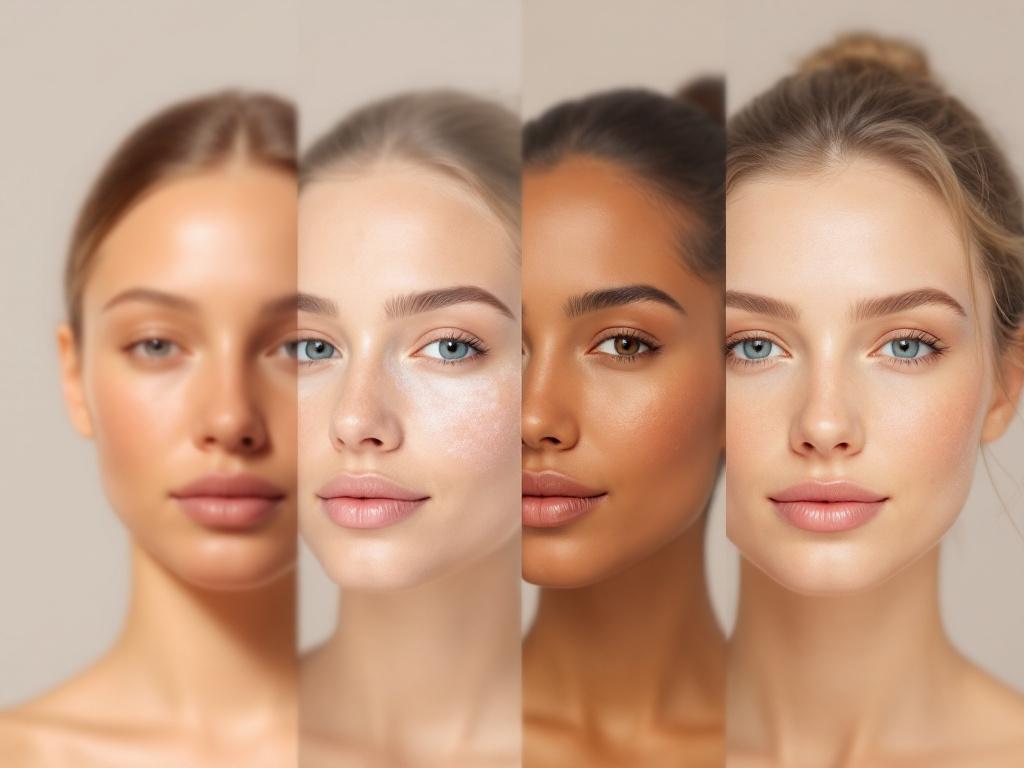
The previous sections give you the framework. This section translates it into selection for your specific case. The products named here are illustrative examples of formulation profiles, not universal recommendations — match the profile, then pick the product available to you.
- Melasma on Normal-to-Combination Skin.
Priority: Maximum UVA and visible-light protection.
Ingredient profile: Non-nano zinc oxide 12–20% plus iron oxides; tinted finish.
Format: Tinted mineral cream or fluid.
Example profiles: La Roche-Posay Anthelios Mineral Tinted; ISDIN Eryfotona Ageless Tinted.
What clinical consultation adds: Trigger identification — hormonal versus solar versus thermal — shapes the long-term plan well beyond which sunscreen to buy. Melasma driven primarily by oral contraceptives requires a different treatment arc than melasma driven by sun exposure alone. - PIH on Oily or Acne-Prone Skin.
Priority: Non-comedogenic vehicle, minimal occlusion, easy reapplication.
Ingredient profile: Zinc oxide 10–15%, gel or fluid vehicle, iron oxides if PIH is visible.
Format: Mineral fluid or gel base; mineral powder for reapplication.
Example profiles: EltaMD UV Clear Tinted (note: this is a hybrid formulation, not fully mineral); Supergoop! Mineral Mattescreen.
What clinical consultation adds: Active acne management has to run in parallel — sunscreen alone does not prevent the PIH source. Treating PIH while breakouts continue is fighting yesterday's pigmentation while creating tomorrow's. The pairing of sunscreen with structured acne treatment is what changes the trajectory. - Hyperpigmentation on Dry, Sensitive, or Mature Skin.
Priority: Barrier support plus reliable mineral coverage; avoid alcohol and fragrance.
Ingredient profile: Zinc oxide 15–20% in a hydrating, antioxidant-rich vehicle.
Format: Mineral cream or rich lotion.
Example profiles: Avène Mineral Fluid SPF 50+; SkinCeuticals Physical Fusion UV Defense.
What clinical consultation adds: Barrier repair and pigmentation correction often need to be sequenced rather than attempted simultaneously. Patients who layer four actives on a compromised barrier slow their own progress; the right order frequently means stabilizing the barrier for 4–6 weeks before introducing the strongest pigment-lightening agents. - Hyperpigmentation on Fitzpatrick IV–VI Skin.
Priority: Visible-light protection (iron oxides essential); no white cast.
Ingredient profile: Tinted mineral with iron oxides matched to undertone, or a stabilized hybrid with iron oxide tint.
Format: Tinted mineral cream or fluid in deeper shade ranges.
Example profiles: Unsun Mineral Tinted Sunscreen; Black Girl Sunscreen Make It Matte (note: chemical base, with tinted options expanding); EleVen by Venus Williams Unrivaled Sun Serum.
What clinical consultation adds: This remains an under-served area in formulation. Finding a cosmetically acceptable mineral SPF in genuinely deep shades is harder than the marketing suggests, and matching undertone (warm versus cool) matters as much as depth. Personalized consultation guidance closes the gap between "mineral sunscreen in your shade" and "mineral sunscreen that disappears on your skin."
A note on these examples: each is a widely available product that demonstrates a profile, not an endorsement. Formulations change, and a product that fits the profile in 2024 may be reformulated by 2026. The skill is reading the active ingredient panel and matching it to your scenario — not memorizing brand names. Integrated age spots and hyperpigmentation treatment personalized to skin tone and pattern is what closes the gap between a product that works in a lab and a product that works on your face.
Your Hyperpigmentation Sunscreen Action Plan
Everything above converts to nine items you can act on within twenty-four hours. Each references the section where the underlying reasoning lives, so the checklist stands alone if you return to it later.
- Identify your pigmentation type today. Look in natural light: are your dark patches symmetrical across cheeks and forehead (melasma), scattered marks where acne healed (PIH), or isolated spots in sun-exposed areas (solar lentigines)? Each responds differently and informs both treatment direction and sunscreen choice.
- Read the ingredient list on your current sunscreen. If you see unstabilized avobenzone (no octocrylene or encapsulation listed alongside), oxybenzone, octinoxate, or high-concentration alcohol denat, plan a replacement. The ingredient checklist section above is the reference.
- Choose a primary mineral or hybrid sunscreen matched to your skin scenario. Use the four-scenario guide to identify your profile, then verify the product has at least 10% zinc oxide. If you have visible pigmentation, confirm iron oxides appear in the ingredient list — they are listed under the inactive/colorant section, not the actives panel.
- Add a tinted formulation if you have melasma or visible PIH. The iron oxides in tinted mineral SPF provide visible-light protection that untinted formulations cannot. This is the single highest-leverage upgrade for established pigmentation, and it usually eliminates the need for a separate foundation.
- Measure ¼ teaspoon for face and neck — every morning. Apply over moisturized, dry skin using the press-and-stipple method. Cover temples, neck, ears, and hands. If your morning routine treats sunscreen as an afterthought, fixing that one habit will outperform any product upgrade.
- Add a reapplication tool — a mineral powder SPF. Keep it in your bag. Reapply every two hours outdoors, and at least once midday if you work near a window. This single addition closes the most common protection gap in real-world sunscreen use.
- Audit your active treatment pairings. If you use retinoids, AHAs, vitamin C, hydroquinone, tranexamic acid, azelaic acid, or kojic acid, confirm your sunscreen choice matches the pairing requirements outlined above. A mineral SPF paired with retinoid mornings is non-negotiable, not optional.
- Commit to 12 weeks of strict adherence before assessing pigmentation change. Melasma and PIH respond slowly. Visible improvement requires sustained UV control, and abandoning the protocol at week 4 because spots haven't faded is the most common reason patients give up shortly before results emerge. Take a baseline photograph in consistent lighting and compare at week 6, 9, and 12 — not daily.
- Get a personalized plan if your pigmentation is moderate to severe or your previous attempts haven't worked. An online consultation at Macherre Medical Center ($115 | €99) reviews your skin photos, history, current products, and active treatments, then delivers a pigmentation protocol with sunscreen, topical, and lifestyle components matched to your specific case — whether you are addressing age spots and hyperpigmentation, post-acne and discoloration, or another pigmentation pattern.
Frequently Asked Questions
Can a moisturizer with built-in SPF replace dedicated sunscreen for hyperpigmentation?
No. Moisturizers with SPF are tested at the same 2 mg/cm² density as standalone sunscreens, but the volume needed to deliver that density typically exceeds what users apply for moisturizer. Practically, this means moisturizer-SPF hybrids deliver roughly SPF 5–15 in real use even when labeled SPF 30. Use your moisturizer underneath and apply a dedicated SPF — ¼ teaspoon — on top. This is the single fix that resolves the "I wear SPF every day and my melasma is still worsening" complaint in a meaningful percentage of cases.
How long after starting daily sunscreen will I see improvement in existing dark spots?
Sunscreen prevents new pigmentation immediately on first correct use. Existing pigmentation requires 8–16 weeks of consistent daily SPF combined with active treatments — vitamin C, niacinamide, or prescription tyrosinase inhibitors — to show visible fading. Sunscreen alone halts worsening but does not actively fade pigment. That is the treatment's role. Patients who expect sunscreen to fade spots without an active treatment alongside are setting up for disappointment.
Do I need sunscreen if I work indoors all day?
Yes. UVA passes through standard window glass at roughly 60–70% transmission, which is more than enough to drive melasma in pigmentation-prone skin over a workweek. Computer screens emit negligible UV but do emit visible light, including HEV blue light, which contributes to pigmentation in Fitzpatrick III–VI skin per peer-reviewed studies. Indoor workers near windows or screens benefit from morning SPF with at least one midday reapplication — the same protocol as outdoor exposure, scaled down only slightly.
Is reef-safe sunscreen better for hyperpigmentation, or is that a separate concern?
Separate concerns that often align. "Reef-safe" typically excludes oxybenzone and octinoxate, both of which are also higher-irritation filters for reactive skin. So reef-safe mineral formulations frequently overlap with the best choices for hyperpigmentation — but the term itself is not regulated in the United States and doesn't guarantee a mineral formulation. A product can be marketed as reef-safe and still contain chemical filters that are suboptimal for pigmentation-prone skin. Verify the active ingredient panel independently rather than relying on the front-of-bottle claim.